
Last updated August 28, 2026
Free in-home measure and quote - PGT, CGI and CWS impact lines compared on your actual openings, style by style
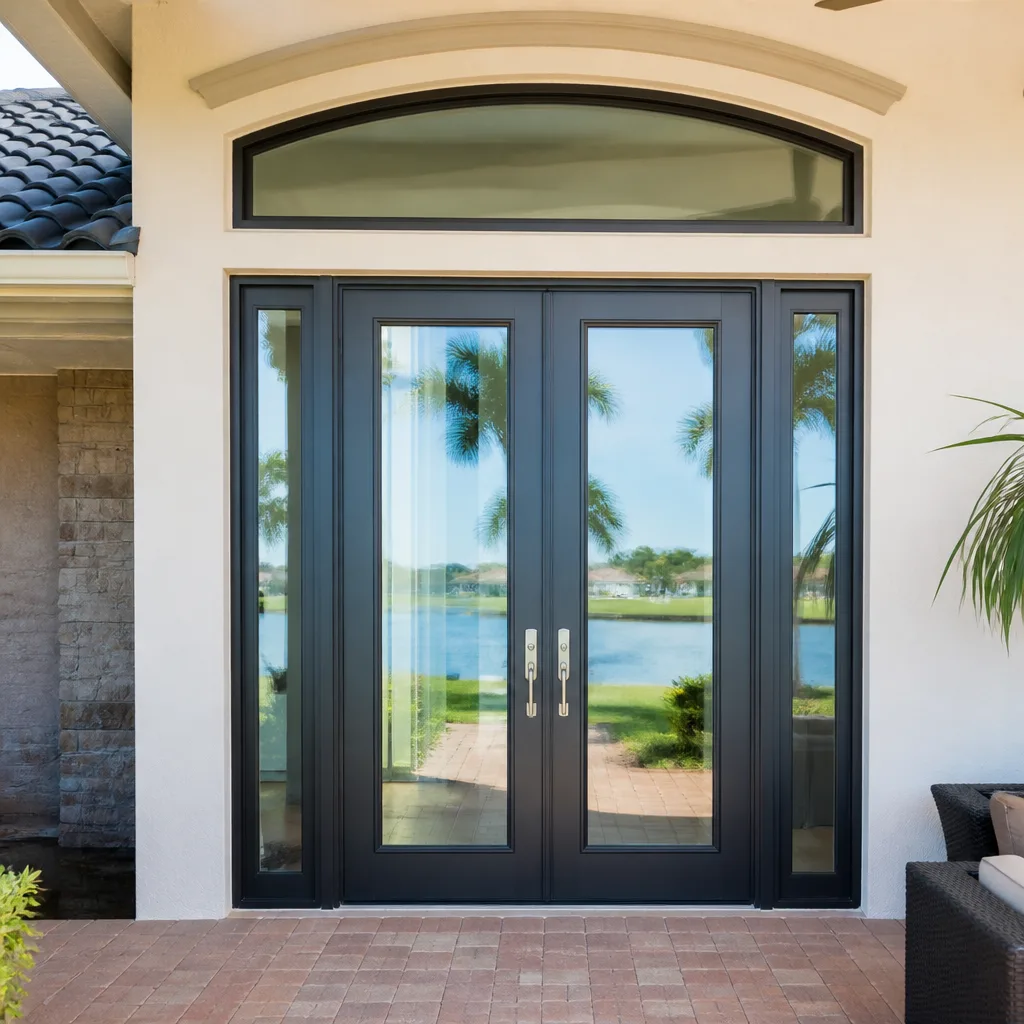
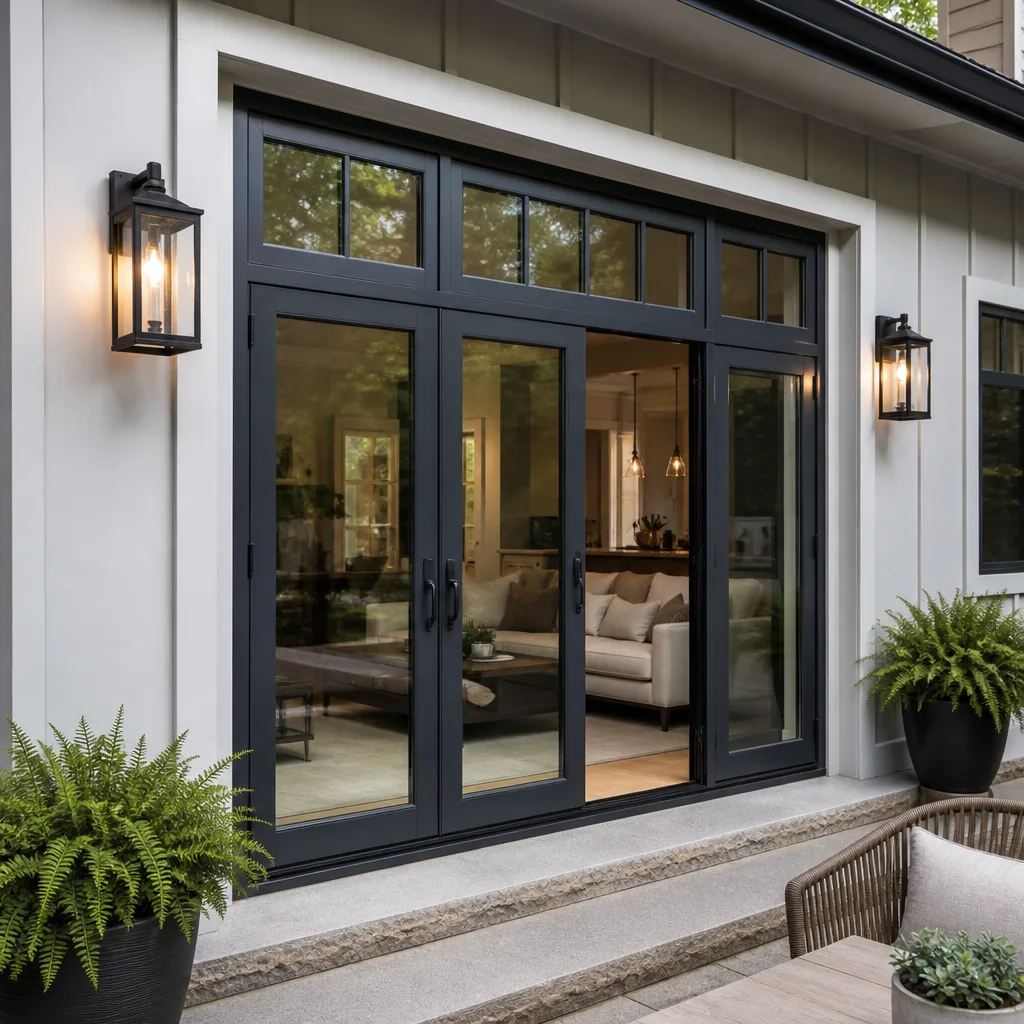
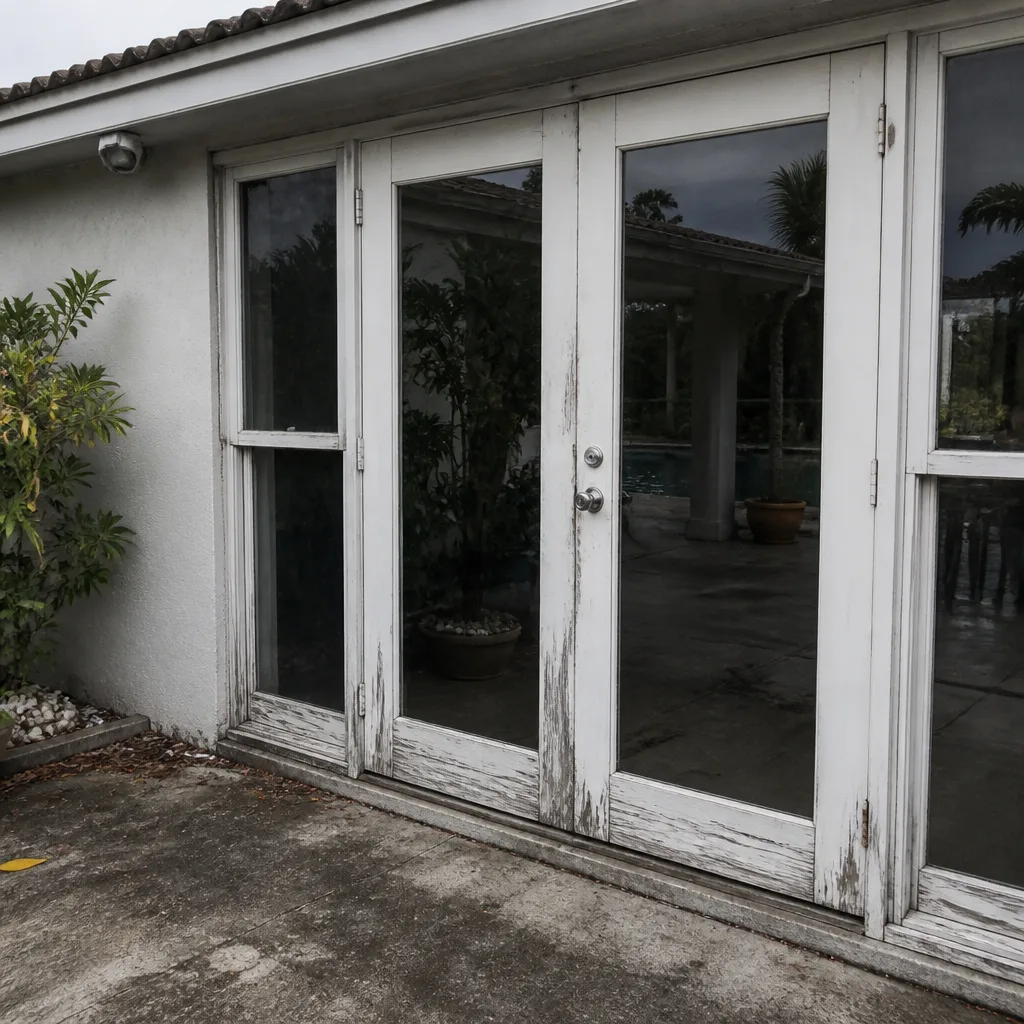 Before
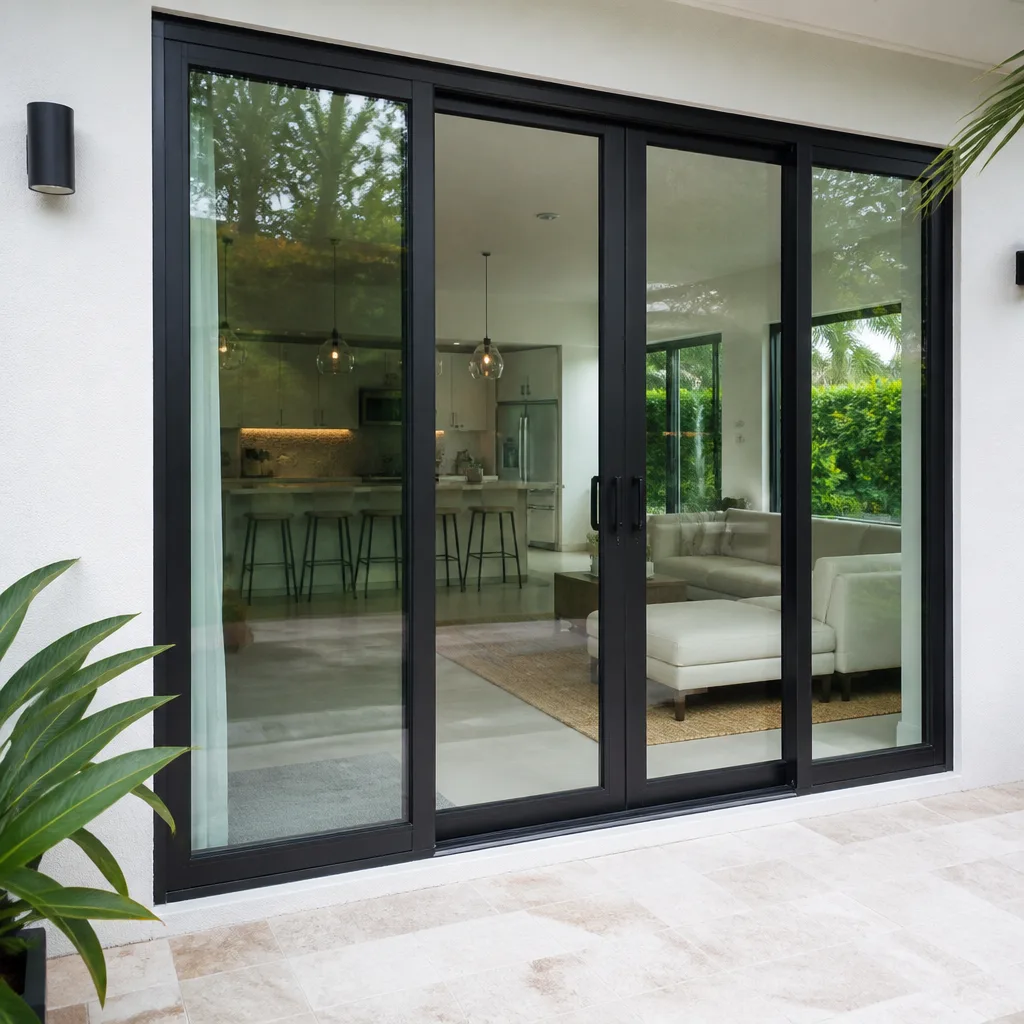 After
After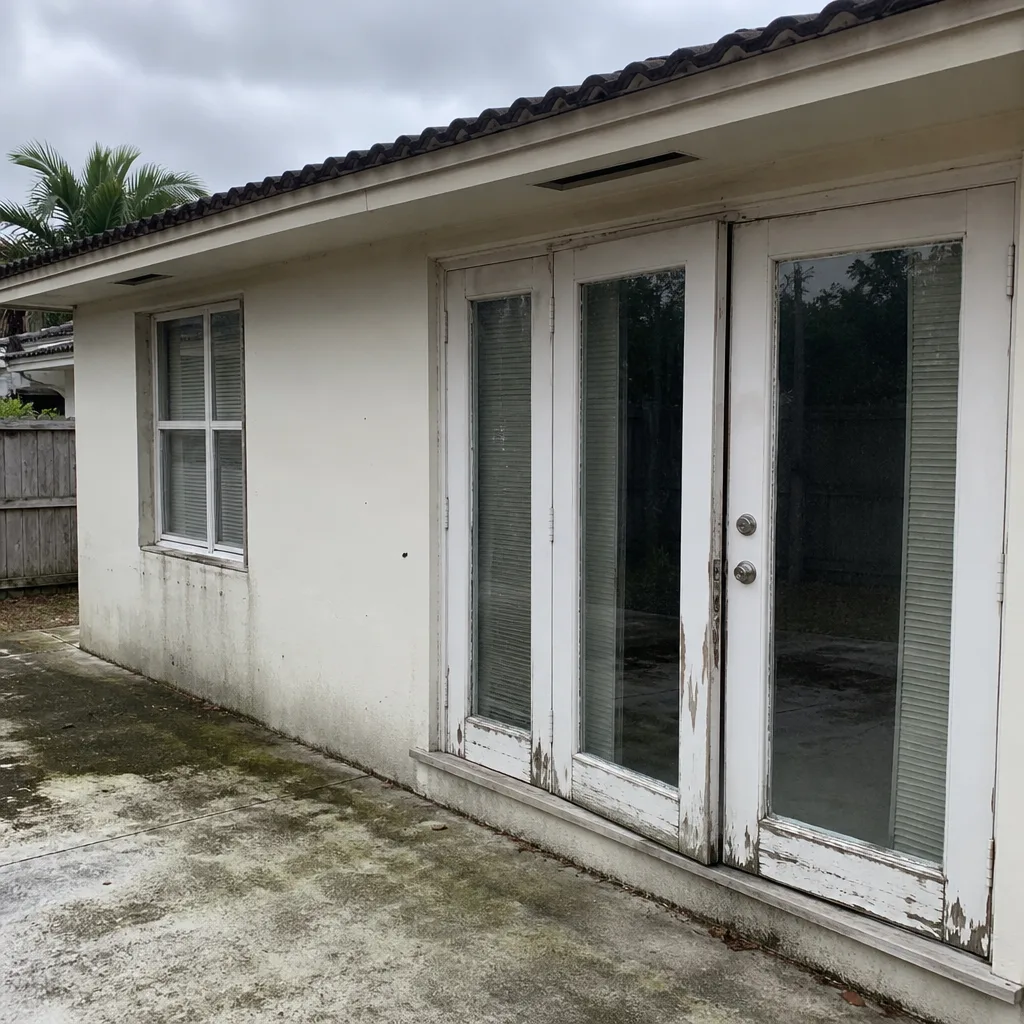 Before
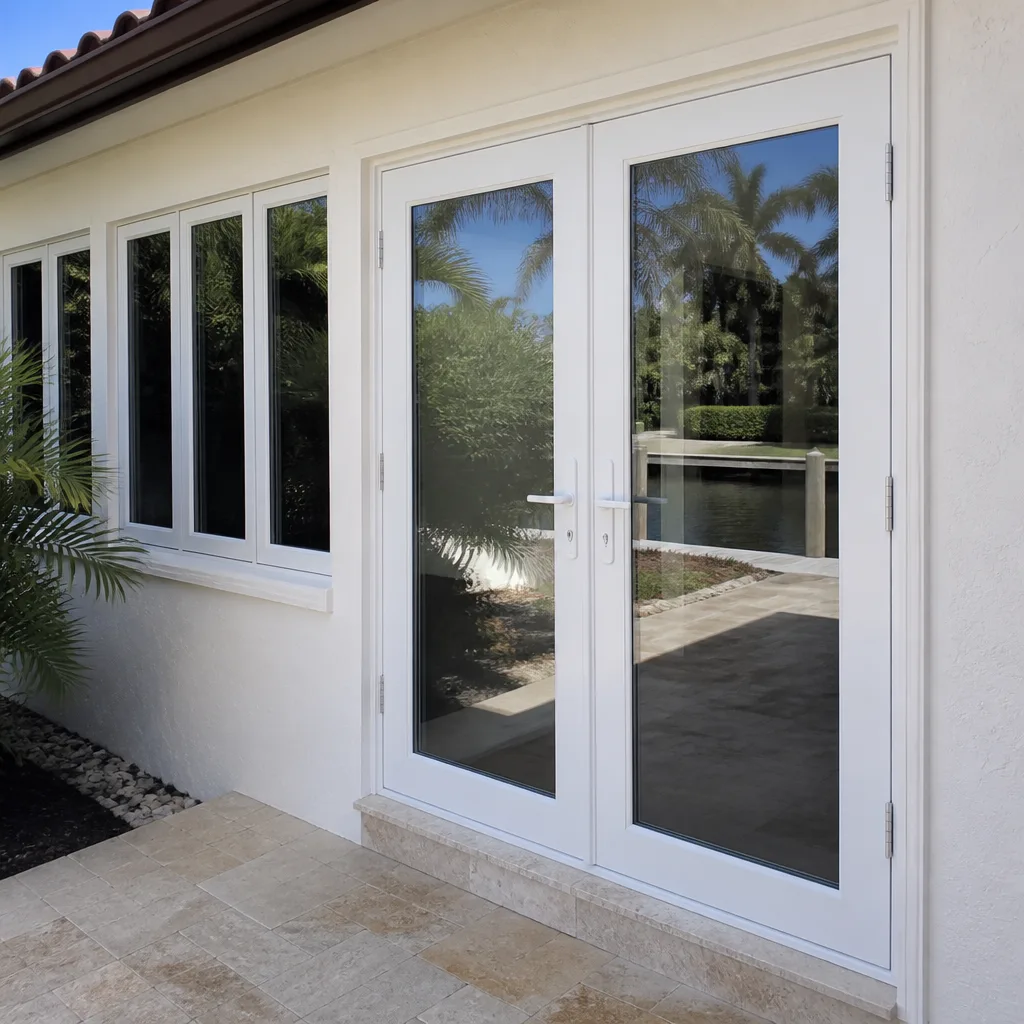 After
After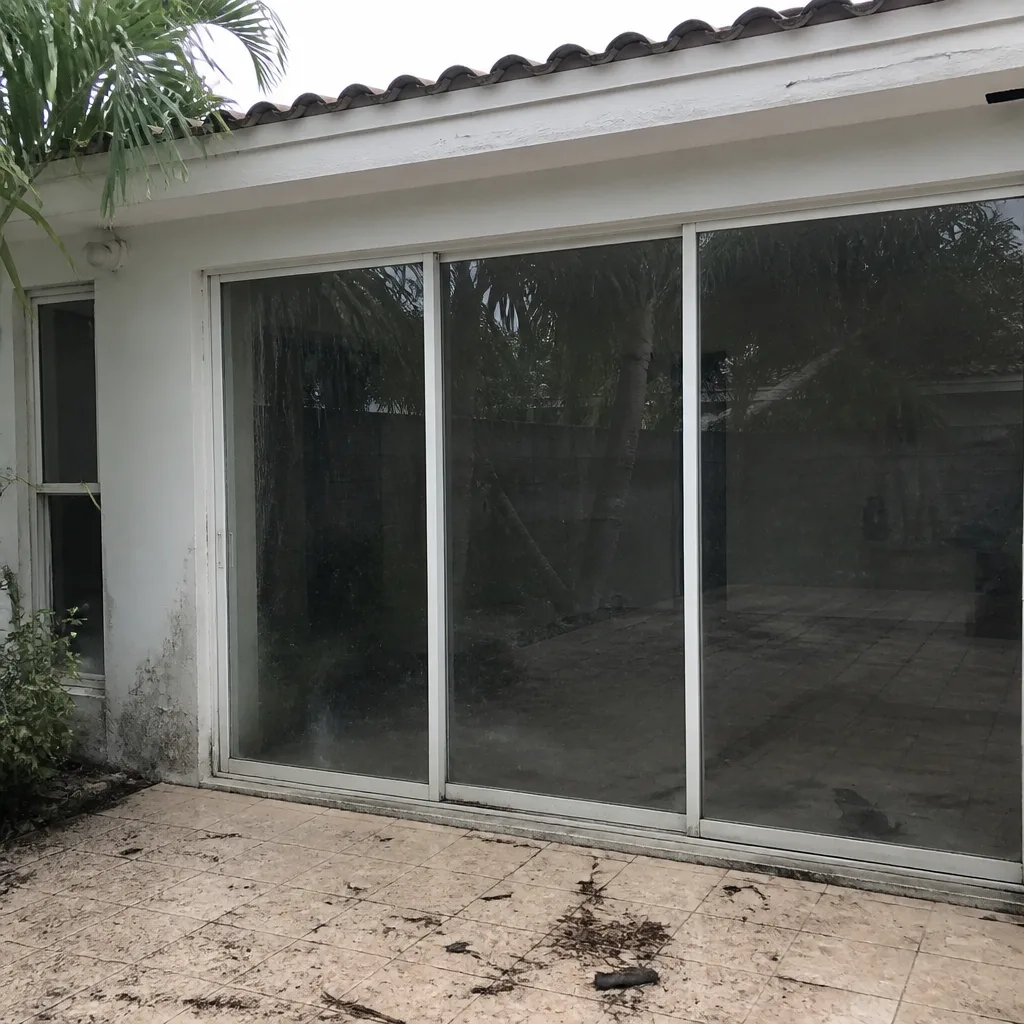 Before
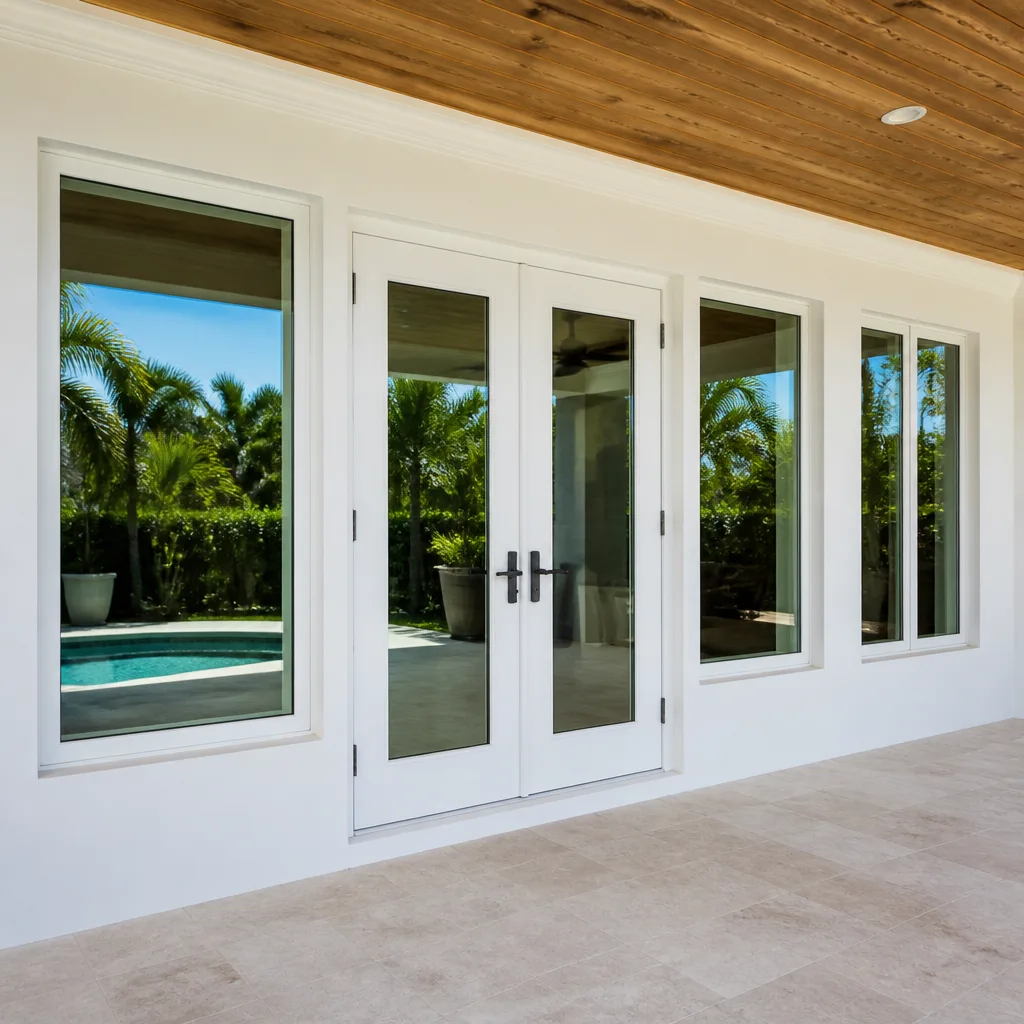 After
AfterThe Complete Guide to Windows & Doors in Miami
Miami-Dade County enforces one of the most demanding fenestration codes on earth, stricter than nearly every coastal jurisdiction that faced the same hurricane seasons. Yet a meaningful share of window replacements installed across Miami each year still fail to meet current NOA requirements at final inspection. That gap between what the code demands and what actually gets installed costs homeowners real money in failed inspections, voided insurance claims, and windows that underperform from the day they’re set. This guide walks through what actually matters when buying windows and doors in Miami: the code, the labels, the warranties, the salt air, and the paperwork that protects your house at resale. For more guides & resources, see our blog.
Quick Answer
The right window or door for a Miami home is one that carries a current Miami-Dade NOA (Notice of Acceptance), matches the opening protection requirements your insurance carrier recognizes, and is installed by a company that registers both warranty layers in writing and pulls the permit. In practice, that means impact-rated windows and doors with Miami-Dade approval, installed to code, documented completely, and backed by a workmanship guarantee in writing. Skip any one of those pieces and the window may pass a visual glance while failing inspection, insurance review, or a resale title check.
Table of Contents
- Why Miami Is a Different Category Entirely
- Miami-Dade NOA vs. Florida Statewide Approval: Reading the Label Before the Unit Enters Your Home
- Impact-Rated, Impact-Resistant, and Hurricane-Rated: Three Terms That Mean Different Things
- How Citizens and Private Carrier Wind-Mitigation Credits Actually Work
- Salt Air and Frame Selection: Why Kendall and Key Biscayne Need Different Specs
- The Complete Job File: Permit, NOA, Warranties, and Inspection Sign-Off
- What to Look For in a Miami Window and Door Installer
- Common Mistakes to Avoid
- When to Call a Professional
- Frequently Asked Questions
- The Bottom Line
Why Miami Is a Different Category Entirely
A window guide written for a homeowner in Ohio or Texas will not help you in Miami. It will not mention Notice of Acceptance requirements, wind-mitigation credits, or the way salt air eats certain aluminum alloys. It will talk about energy savings and curb appeal, which matter here too, but it will miss the three forces that define window and door decisions in Miami-Dade County: hurricane code, insurance underwriting, and a coastal climate that punishes the wrong materials faster than almost anywhere else in the country.
Miami sits in a High Velocity Hurricane Zone (HVHZ). That designation is not a marketing label. It is a structural engineering category that does not apply to most of Florida, including much of Broward County just north of the county line. Products approved for the rest of Florida may not be approved for Miami-Dade. The testing protocols are different, the impact standards are different, and the documentation requirements are different. A homeowner who buys a Florida-approved window and has it installed in a Miami home may discover at inspection that the unit was never legal for this address at all.
Insurance adds the second layer. After Hurricane Andrew, Florida created wind-mitigation credits to reward homeowners who harden their homes. In Miami, those credits can reduce windstorm premiums by a substantial margin, but only when the insurance carrier accepts the opening protection documentation. A window that lacks the right NOA or the right installation paperwork may save you money on the front end and cost you thousands in premiums over the following decade. And when you sell, the buyer’s title search and insurance underwriting will ask for the same documentation. Missing paperwork does not just create a hassle. It can hold up closing.
The third force is the climate itself. Miami’s heat, humidity, and salt air are relentless. Frames that perform fine inland can pit and corrode within a few miles of the coast. Glass packages that keep a Chicago living room comfortable can turn a Miami sunroom into an oven. This is why the TruePane Windows & Doors home guide exists: not as a generic overview, but as a Miami-specific reference for homeowners who plan to stay in their house and need the work done right the first time.
Miami-Dade NOA vs. Florida Statewide Approval: Reading the Label Before the Unit Enters Your Home
Miami-Dade County maintains its own product approval system called the Notice of Acceptance, or NOA. It is separate from, and tougher than, the Florida statewide product approval many manufacturers advertise. A unit with Florida approval alone is not automatically legal to install in Miami. The NOA number must appear on the product label, and that number must be current, not expired or superseded. Here is how the two systems differ in practice.
Florida statewide approval means the product passed testing at one of the state’s approved labs and is accepted by the Florida Building Commission. Miami-Dade NOA approval means the product passed Miami-Dade’s own review process, which includes scrutiny of the manufacturing facility, the quality-control procedures, and the specific impact and pressure ratings for Miami’s High Velocity Hurricane Zone. Miami-Dade can, and regularly does, reject products that carry Florida approval. The county publishes a database of active NOAs, and a homeowner or contractor can verify any unit in minutes if they know to look.
Two quick ways to read a label before the window enters your house:
- Find the NOA number. It will appear on the certification label affixed to the frame, usually near a corner. The number begins with the year of approval, followed by a sequence of digits. If the label shows only a Florida product approval number, or no approval number at all, stop the job and ask why.
- Confirm the rating matches the opening. The NOA will specify design pressures, impact ratings, and allowable sizes. A window approved for a small opening on a first-floor wall is not necessarily approved for a large sliding door on a high-rise balcony. The installer should be able to show you the NOA sheet and explain how it matches your specific opening.
We have stood in Miami living rooms and watched homeowners open their new windows only to find a Florida-only label on a unit that required Miami-Dade NOA approval. The window looked right. The price was right. The inspection was not. In our experience, the only reliable way to avoid this is to demand the NOA documentation in writing before installation begins, and to verify it again when the units arrive. See our DIY vs Professional Windows & Doors: The Miami Homeowner’s Decision Guide for why professional verification matters. A square deal means no surprises on the bill, and it also means no surprises on the label.
Impact-Rated, Impact-Resistant, and Hurricane-Rated: Three Terms That Mean Different Things
Showrooms use these three terms loosely. On a Miami window order, they describe meaningfully different products, and getting them confused can leave you with glass that shatters on impact and a house open to the next storm.
Impact-rated is the narrowest and most enforceable term. It means the unit passed a specific impact test, typically a large-missile test that fires a 9-pound 2×4 at the glass at 34 miles per hour, followed by thousands of positive and negative pressure cycles to simulate hurricane winds. An impact-rated window or door carries a certification from Miami-Dade or Florida and has a label to prove it. When a Miami-Dade inspector asks for opening protection, this is the documentation they want to see.
Impact-resistant is looser. It can mean the glass has been treated with a film or laminated interlayer that helps it resist breakage, but it may not have passed the full missile-and-cycle protocol. A window can be described as impact-resistant without being impact-rated, and without the rating, the insurance discount does not apply. When a salesman says the window will hold up in a hurricane, the correct question is: “Show me the NOA.”
Hurricane-rated is the least precise term. It often appears in marketing copy for windows that meet some wind-pressure threshold under normal building codes but have not passed impact testing at all. A hurricane-rated window may be a fine window. It may keep out a summer squall. But it is not opening protection in the way your insurer or the Miami-Dade building department defines it.
The practical takeaway: for most Miami homeowners, the correct product is an impact-rated window or door with a current Miami-Dade NOA. That is the only category that satisfies code, earns insurance credits, and protects your home when the next storm makes landfall. Everything else is a conversation about degrees of “maybe.”
How Citizens and Private Carrier Wind-Mitigation Credits Actually Work
Florida law requires insurance carriers to offer discounts for homes that have undergone wind-mitigation improvements. In Miami, where Citizens Property Insurance and private carriers both write policies on coastal homes, those credits can be worth hundreds or thousands of dollars a year depending on the property, the opening protection, and the home’s overall hardening features. But the credit is not automatic, and not all upgrades move the premium needle equally.
Carriers evaluate a home through a uniform wind-mitigation inspection form, known as the 1802 form. The inspector records specific building features: roof-to-wall connections, roof deck attachment, roof covering, roof shape, and opening protection on windows and doors. Opening protection is one of the heaviest weighted items on the form. Impact-rated windows and doors with Miami-Dade NOA approval earn the highest credit category, typically recorded as “Class A” or “Hurricane Impact” protection. A plain tempered window with no shutter system earns nothing.
What many Miami homeowners miss is that the credit is only as good as the documentation. The insurance carrier will ask for the product approval number for each window and door. If the homeowner cannot produce the NOA sheets, the carrier will default the opening protection to the lowest category. That default can erase the entire discount, even if the windows are perfectly good impact units. This is where the paperwork and the installation quality converge. A window has to be impact-rated and the file has to prove it.
Citizens has tightened its underwriting over the last decade. Private carriers have followed. Both now send inspectors to verify opening protection on new policies. A homeowner who installs impact windows in Miami and files the NOA documentation correctly can see a meaningful premium reduction. A homeowner who skips the paperwork can pay full windstorm rates on a house that is actually hardened. That is a waste of money no contractor should allow. When we complete a window installation in Miami, both warranty layers are registered in writing before the truck leaves the driveway, and the NOA documentation is part of the job file from day one.
Salt Air and Frame Selection: Why Kendall and Key Biscayne Need Different Specs
Miami-Dade spans a surprising range of microclimates. A frame specification that lasts twenty years in Kendall may start pitting within five in Coconut Grove or Key Biscayne. The difference is salt air, and the concentration is not uniform across the county. Homes within a mile or two of Biscayne Bay or the Atlantic get year-round airborne chlorides. Homes further west, closer to the Everglades, get less salt but more humidity and more intense sun exposure.
The frame material decision matters most here. Aluminum is the traditional Miami choice: strong, stable, and well suited to the large openings common in mid-century and contemporary homes. But not all aluminum is the same. Marine-grade aluminum with a high-quality finish, typically an AAMA 2604 or 2605 rated coating, resists salt-air corrosion far better than standard architectural aluminum. For coastal homes, a premium finish is not an upgrade. It is the difference between a frame that looks right in ten years and one that pits, oxidizes, and binds.
Vinyl frames perform well inland but can become brittle and fade under sustained UV exposure in sun-drenched western communities. Fiberglass and composite frames hold up well across most of Miami but carry higher material costs, which may or may not make sense depending on the opening and the homeowner’s timeline. The key is matching the material to the microclimate, not picking a frame from a catalog without knowing where it will live.
Glass package selection follows a similar logic. A home in Coconut Grove with heavy tree canopy can often get by with a moderate low-E coating. A Key Biscayne condominium with direct eastern exposure through floor-to-ceiling glass needs a stronger solar control package, or the air conditioning runs around the clock and the furniture fades in two seasons. The right call comes from measuring the actual solar and salt exposure of the specific opening, not from a default spec sheet.
Brand matters here too. Lines like PGT and CGI have spent decades engineering for the South Florida coastal environment, and their marine-grade finish options are built for salt air in a way that some inland manufacturers’ products are not. An authorized installer for more than a dozen manufacturer lines can quote them side by side on paper so the homeowner sees exactly what they are buying and why the coastal-rated option costs what it costs.
The Complete Job File: Permit, NOA, Warranties, and Inspection Sign-Off
Most homeowners think a window job ends when the caulk dries. In Miami, it ends when the file is complete. That file is what protects you at insurance renewal, and it is what a buyer’s inspector will ask for if you ever sell. A complete job file includes four pieces:
- The permit. Miami-Dade requires a permit for window and door replacement when the opening is altered or when the product is governed by HVHZ regulations. Any reputable installer pulls the permit before work begins and closes it after inspection.
- The NOA documentation. For every window and door installed, the NOA sheet should be copied and kept. This proves the product was legal for the opening at the time of installation.
- Both warranty layers, registered in writing. The manufacturer’s warranty covers the product. The installer’s workmanship warranty covers the labor. Both should be documented, with durations stated, and both should be registered before the installer leaves the property.
- Inspection sign-off. Miami-Dade sends an inspector to verify the installation meets code. The sign-off closes the permit and proves the work was done right.
A homeowner missing any one of these pieces may not discover the problem for years. Then a title search on a sale flags the unpermitted work, or an insurance underwriter asks for documentation the homeowner cannot produce, or a warranty claim gets denied because the registration was never filed. In our experience, the most expensive window job in Miami is not the one with the highest bid. It is the one that leaves the file incomplete and the homeowner holding the gap.
What to Look For in a Miami Window and Door Installer
The installer matters as much as the window. In Miami, where code compliance and documentation are both mandatory, a low bid from an unlicensed crew can cost more than it saves. Here is what to look for:
- Miami-Dade experience. The installer should know NOA requirements without blinking, and should be able to explain how the permit and inspection process will work on your specific project.
- Manufacturer authorizations. An installer authorized by multiple manufacturers can quote options side by side. That protects you from a contractor who only pushes one product line because that is all they can sell.
- Written warranty registration. Ask how warranties are handled. An installer who files manufacturer registrations and provides workmanship guarantees in writing is protecting you from the most common resale and insurance failures.
- A live person on the phone. Miami is full of contractors who are reachable until the deposit clears. Ask yourself whether this company will answer the phone in three years if a seal fails or a hinge binds.
- Background-checked technicians. The people who work in your home should be people you can trust. A company that runs background checks and sends uniformed technicians is a company that treats your home like more than a jobsite.
Dale Kessler founded TruePane Windows & Doors in 2008 on a simple rule: if the pane is not true, the job is not done. The company has served Miami for over 42 years through a heritage of craft that predates the founding, rooted in a second-generation glazier’s tradition rather than a franchise playbook. The work is covered by a 90-Day Done Right Promise and The Keystone Standard: both manufacturer warranty layers registered in writing, durations stated, before the truck leaves the driveway.
Common Mistakes to Avoid
- Buying a Florida-approved window for a Miami home. The unit may look identical to a Miami-Dade NOA product, but without the NOA number it will fail inspection. Always verify the label before installation.
- Skipping the wind-mitigation inspection. Impact windows do not earn insurance credits automatically. A qualified wind-mitigation inspection documents the opening protection so the carrier applies the discount.
- Choosing a frame based on price instead of microclimate. A standard aluminum frame may save a few hundred dollars up front and then pit and corrode within five years in Coconut Grove or Key Biscayne. Match the finish grade to the salt exposure.
- Keeping no paperwork. A complete job file, including NOA sheets and warranty registrations, protects you at insurance renewal and at resale. Missing paperwork turns a good window job into a title problem.
- Hiring a lowest-bid installer with thin Miami experience. Code violations, unpermitted work, and unregistered warranties all surface later. The cheapest bid often costs the most when the file is incomplete.
- Signing a contract before understanding the scope. A square deal means line-item pricing before work starts, not after. If the quote is vague, the final bill will not be.
- Treating impact and impact-resistant as the same thing. Your insurer and the Miami-Dade building department know the difference. The only product that protects both code compliance and your premium is a Miami-Dade impact-rated unit.
When to Call a Professional
A homeowner can measure for blinds or replace a screen without a contractor. Replacing a window or door in Miami is not that kind of project. The moment you are replacing glass, cutting an opening, or installing a unit subject to HVHZ code, the permit, the NOA, the warranty registration, and the inspection all require someone who has done this before. If a window has a fogged seal, a door binds in July, or you are planning a window replacement in Miami, call a professional who can handle the full job file, not just the glass. TruePane Windows & Doors offers free estimates in Miami, call (561) 489-4036.
Frequently Asked Questions
All impact windows and doors installed in Miami-Dade’s High Velocity Hurricane Zone require a current Miami-Dade Notice of Acceptance. A Florida statewide approval alone is not sufficient. Call (561) 489-4036 and we will walk you through the label verification for your specific openings.
Impact window pricing in Miami varies widely by size, opening, frame material, glass package, and manufacturer line. Typical installed prices can range from roughly $900 to over $2,500 per opening depending on those variables. Call (561) 489-4036 for a free, line-item estimate based on your actual openings.
Impact windows with proper Miami-Dade NOA documentation earn the highest opening protection credit on the wind-mitigation form, which can reduce your windstorm premium. The credit applies only when the documentation is complete and filed correctly, so ask your installer how the job file will be handled.
Most residential window replacements in Miami are completed in a single visit for a standard opening, while larger multi-opening projects may run several days depending on scope and permitting. Call (561) 489-4036 and we will give you an honest schedule before work begins.
TruePane Windows & Doors covers workmanship for 90 days under the Done Right Promise. If it is not done right, we make it right, no paperwork fights and no arguing. Both manufacturer warranty layers are registered in writing before the truck leaves your driveway.
Keep the permit, the NOA documentation for every window and door, both warranty registrations in writing, and the final inspection sign-off. Follow our Impact Windows Maintenance Checklist for Miami Homeowners to protect your investment. That file protects you at insurance renewal and at resale. Call (561) 489-4036 if you have a job file from a previous contractor and want it reviewed.
The Bottom Line
Windows and doors in Miami are a code decision, an insurance decision, and a durability decision before they are ever a style decision. The right window carries a current Miami-Dade NOA, earns the opening protection credit your insurer recognizes, and is built with a frame spec matched to your zip code’s salt and sun exposure. The right installer pulls the permit, registers both warranty layers in writing, and leaves you with a complete job file that protects your house at resale. Done right the first time, these decisions save you money for thirty years. Done wrong, they cost you at inspection, at renewal, and at closing. The standard matters.
Written by Dale Kessler, Owner at TruePane Windows & Doors, serving Miami since 2008.
Six Reasons Homeowners Choose TruePane Windows & Doors
Impact systems engineered to design pressures up to +/-100, matched to your wind zone - your openings hold when the storm arrives.
Low-E insulated impact glass from our manufacturer lines commonly cuts monthly cooling bills 20-30%.
Laminated impact glass shuts out up to 40% of outside noise - traffic, neighbors, weather.
Monitoring services run $30-90 a month. Laminated impact glass resists forced entry around the clock, with no subscription.
Florida homeowners average around 25% savings on the windstorm portion of their policy after protecting every opening - some homes qualify for more.
A full impact package upgrades curb appeal, buyer confidence and appraised value in one project.