
Last updated August 28, 2026
Free in-home measure and quote - PGT, CGI and CWS impact lines compared on your actual openings, style by style
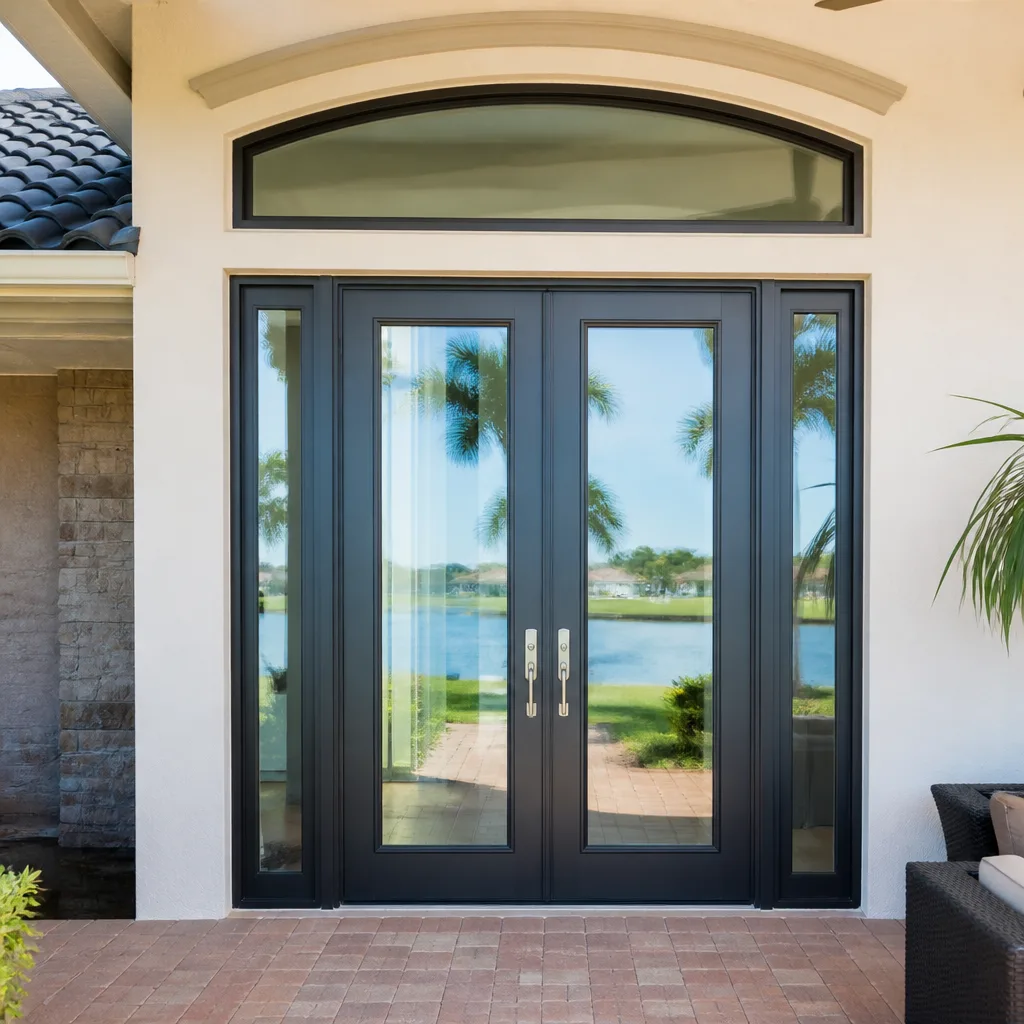
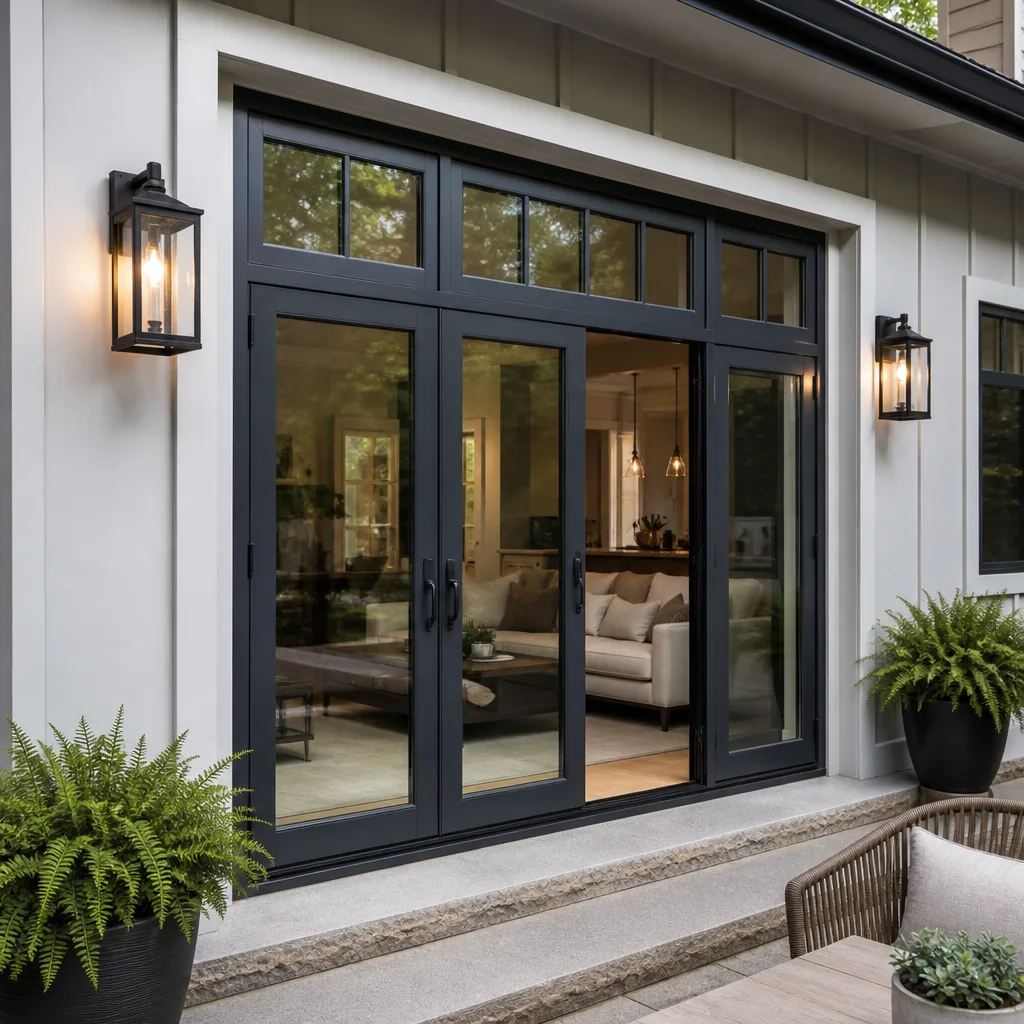
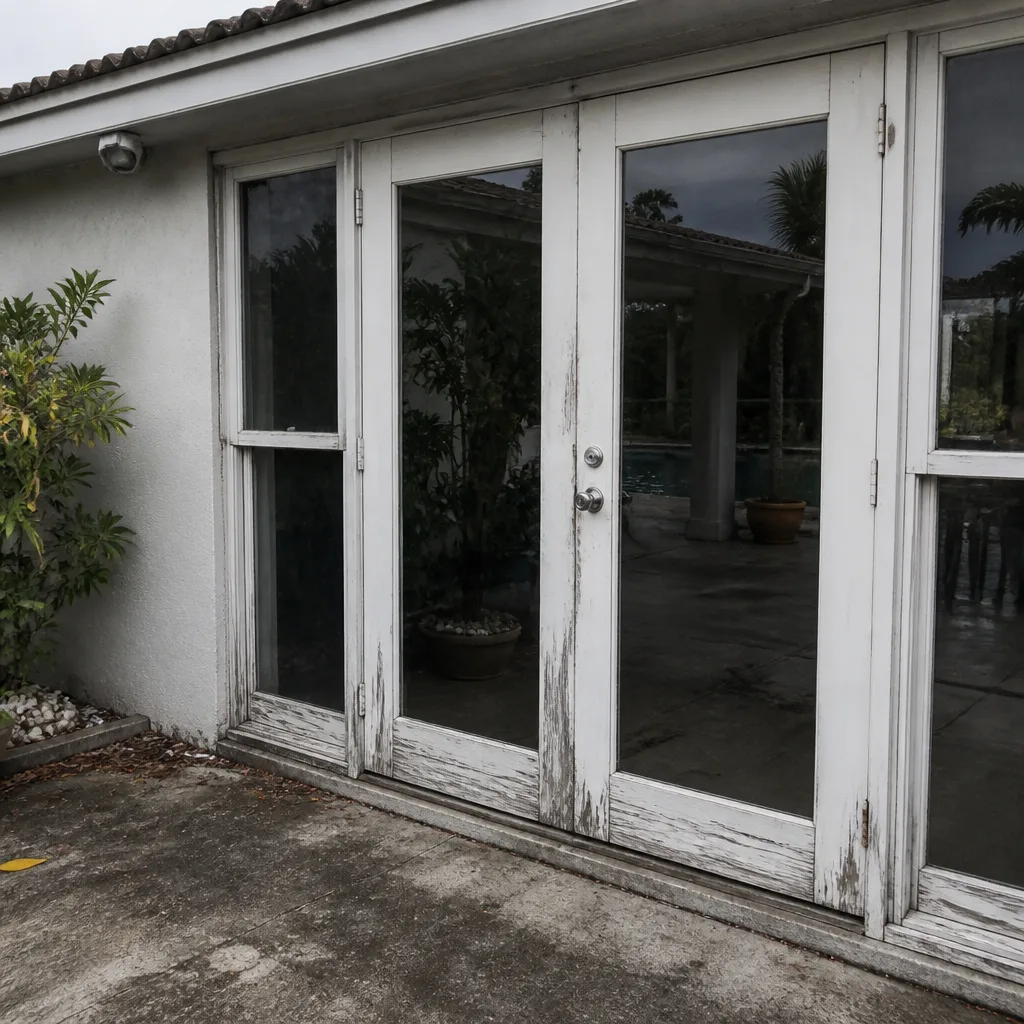 Before
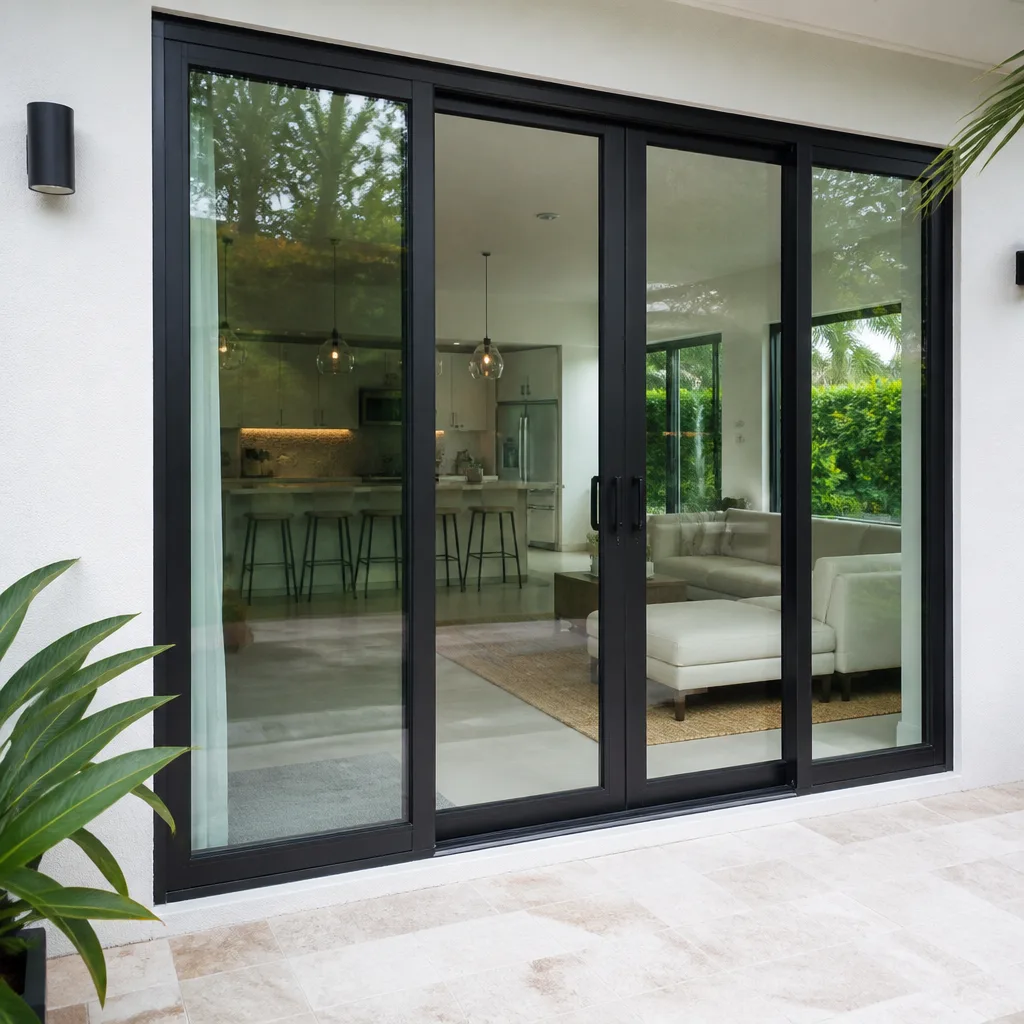 After
After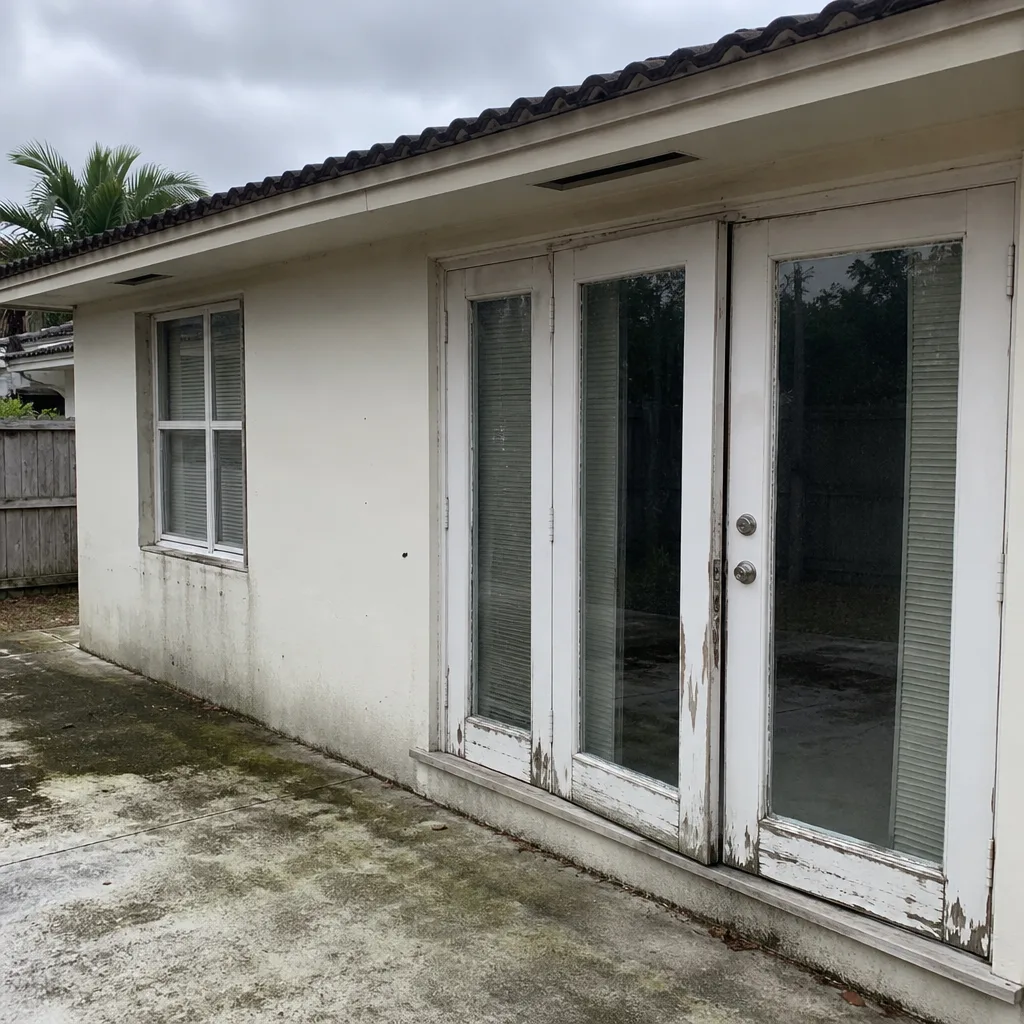 Before
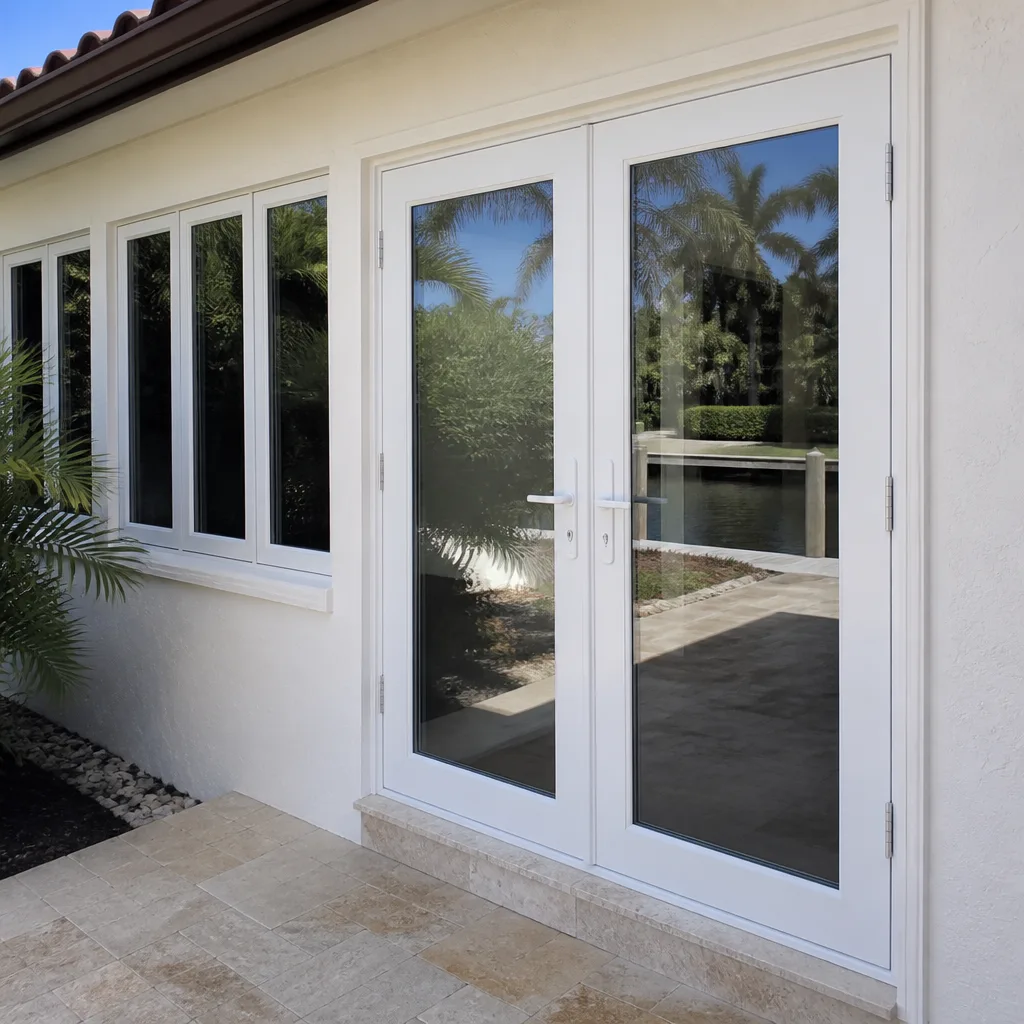 After
After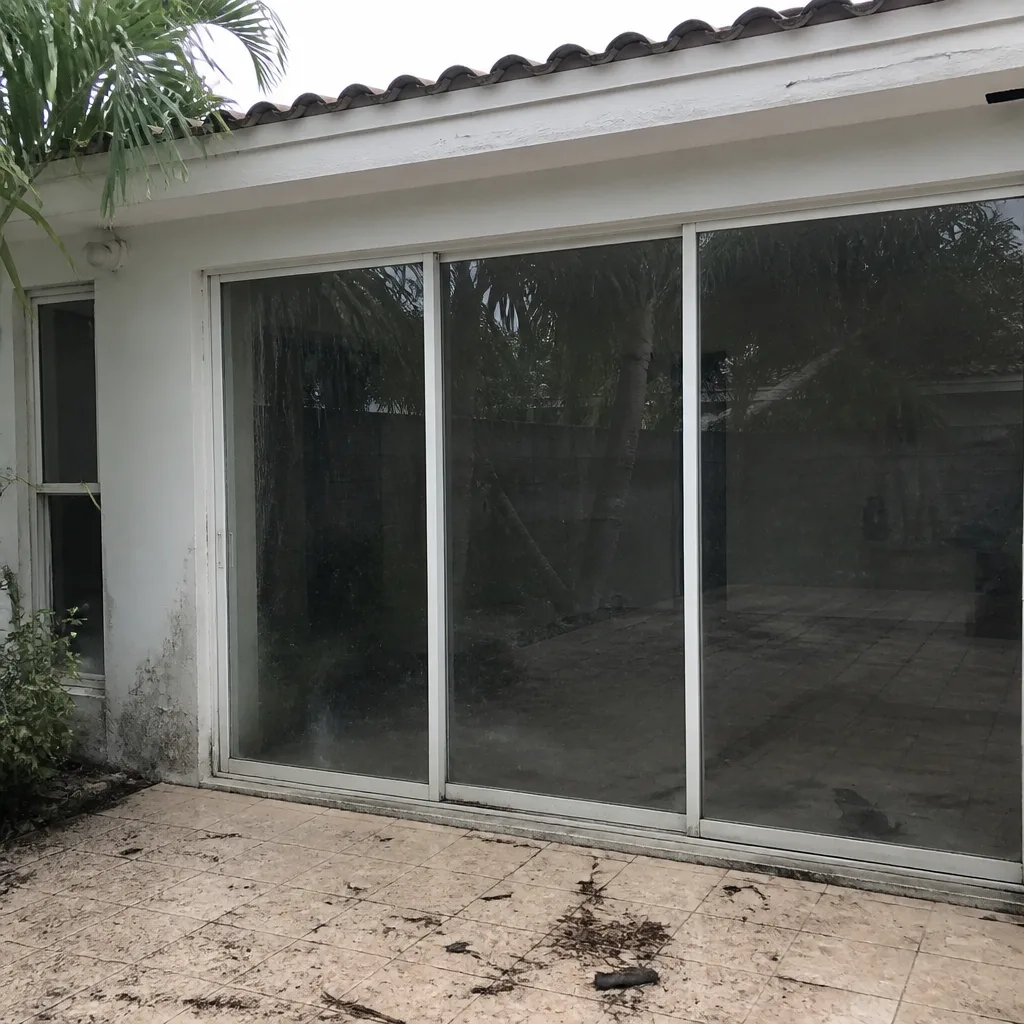 Before
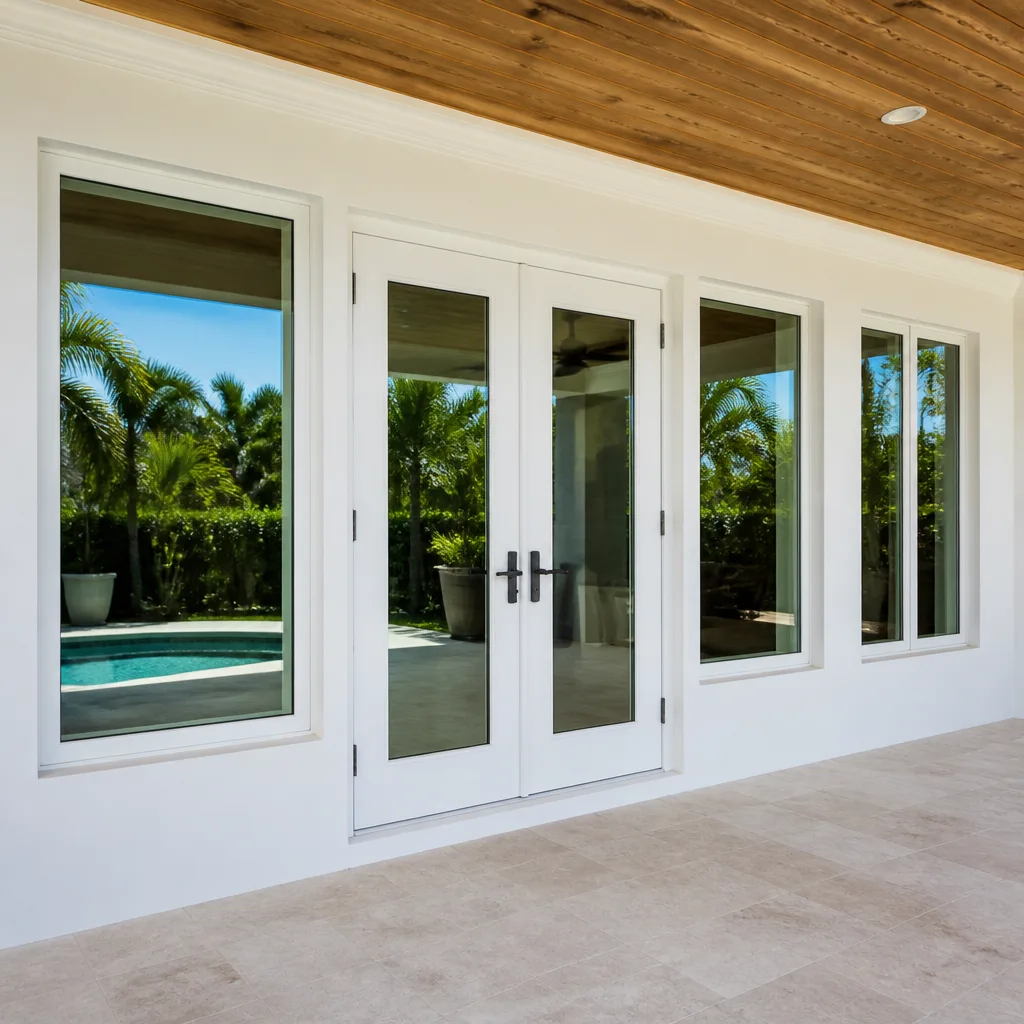 After
AfterDIY vs Professional Windows & Doors: The Miami Homeowner’s Decision Guide
Here is a fact that surprises most Miami homeowners: you can legally pull your own building permit for window and door work on your primary residence. Florida’s owner-builder exemption allows it. But here is the part that should stop you cold. In Miami-Dade County, an impact-rated window or door installation that requires an NOA-compliant method is subject to third-party inspection, and the inspector will ask for the documentation that establishes the installer’s qualification to perform that specific installation. Not your enthusiasm. Not the YouTube video you watched twice. The paperwork. This guide walks through exactly where the line sits between what a careful homeowner can do and what the state, the county, the manufacturer, and your own insurance company expect from a professional installation in Miami.
Quick Answer
For most window and door projects in Miami, the DIY-versus-professional question is already settled by Florida statute, Miami-Dade building code, and manufacturer warranty language before you pick up a tool. Homeowners can legally handle minor maintenance like weatherstripping and hardware adjustment, but any replacement involving impact-rated units, structural openings, or NOA-compliant installation methods requires a licensed contractor with documented qualifications. The realistic cost of doing it wrong, including voided warranties and failed inspections, is far higher than the cost of hiring a professional the first time - which is why many homeowners start with our guide on How to Hire a Windows & Doors Contractor in Miami: A Step-by-Step Guide.
Table of Contents
- What Florida’s Owner-Builder Exemption Actually Permits
- How Manufacturer Warranty Terms Define “Authorized Installation”
- The Three Installation Steps That Matter Most in Miami
- The Real Cost of a DIY Window Replacement in Miami
- What a Homeowner Can Genuinely Do Themselves
- Why Miami’s Climate Makes Installation Details Non-Negotiable
- The Insurance Angle Most Homeowners Miss
What Florida’s Owner-Builder Exemption Actually Permits
Florida Statute 489.103(7) says a homeowner can act as their own contractor on their primary residence without holding a contractor’s license. On paper, that sounds like an open door. In practice, the door has three locked panels that most first-time owner-builders do not see until they are standing in the permit office.
First, the exemption applies only to work on a home you live in. If the property is for sale, was sold, or will be sold within one year of completing the work, the exemption does not apply. The county wants to see that you are improving your own home, not acting as an unlicensed contractor for the next owner. You will sign an affidavit swearing to this, and the affidavit states the work will not be rented, leased, or sold for a year.
Second, pulling your own permit means you assume all liability for code compliance. That is not a theoretical statement. If the window leaks into the wall cavity in Coral Gables and the framing rots, the repair cost is yours. If the work fails inspection and needs to be torn out and redone, that cost is yours. A licensed contractor carries the same exposure, but they also carry the training, the insurance, and the experience of having done it several hundred times.
Third, in Miami-Dade specifically, impact-rated products are not treated like ordinary building materials. The county maintains a Product Control system with Notice of Acceptance (NOA) numbers for every approved impact product. The installer must follow the NOA’s specified anchoring and installation method exactly. An inspector will not accept “looks tight to me” as evidence. They will ask for the NOA number, the anchoring schedule, and the qualification record of the person who performed the work.
We have sat in on more reinspection hearings than we care to count, and this is the moment where homeowner-installed jobs typically fail. Not because the homeowner lacked skill. Because the homeowner did not know the NOA existed, let alone that the installation method is a binding part of the building permit.
If you are considering this route, the first honest step is to read the NOA for the specific window or door you plan to install. Then decide whether you can execute, document, and defend every requirement in it. For most homeowners, that reading ends the DIY conversation. If you want a professional assessment instead, TruePane’s team can walk you through what your specific project requires before you spend a dime on materials. Call (561) 489-4036 for a free estimate.
How Manufacturer Warranty Terms Define “Authorized Installation”
Every major window and door manufacturer writes warranty language that effectively decides the DIY question for you. PGT, CGI, CWS, and ES Windows all publish installation instructions and warranty terms that reference “authorized installation” or “installation by a qualified professional.” The exact wording varies by brand and product line, but the consequence is consistent: a self-installed unit typically carries a reduced warranty, a voided warranty, or both.
Here is what that looks like in practice. You buy a PGT impact window for $900. You install it yourself. Six months later, the laminated glass develops a seal failure, or the frame warps, or the unit leaks. You call the manufacturer to file a warranty claim. The first document they request is not your receipt. It is the installation record, including the installer’s license number and the date of installation. When you cannot provide it, the claim is denied. The manufacturer’s position is reasonable: they cannot warranty a product they did not control the installation of, especially a structural, impact-rated unit in a high-velocity hurricane zone.
Some manufacturers offer a “non-authorized installation” warranty path with reduced coverage, but even that is becoming rare in South Florida. After Hurricane Andrew and the code reforms that followed, manufacturers and insurers both tightened the requirements. They know that a mis-installed impact window is a liability, not just for the homeowner but for everyone in the building envelope.
This is where The Keystone Standard comes from. When TruePane Windows & Doors home installs a window or door, both manufacturer warranty layers are registered in writing before the truck leaves the driveway. The homeowner gets a copy showing the registration numbers, the coverage durations, and the identity of the installing company. If something goes wrong later, there is no phone tree and no missing paperwork. The warranty is down on paper, with dates, and it stands because the installation was performed by an authorized installer following the NOA.
If you are determined to self-install, call the manufacturer first. Ask them, in writing, what happens to the warranty if a homeowner installs the product. Get the answer in an email and keep it. Then decide whether the savings are worth the exposure. For most impact-rated products from PGT, CGI, or ES Windows, the honest answer is no.
The Three Installation Steps That Matter Most in Miami
Inspectors in Miami-Dade focus on three specific aspects of any impact window or door installation: anchor spacing, flashing sequence, and sealant compatibility. Each one carries consequences that are invisible for months or years when done incorrectly. Here is why each matters and what happens when it goes wrong.
1. Anchor Spacing
Impact-rated windows and doors are fastened to the structure with a specific number of anchors at specific intervals, as dictated by the NOA. A window might call for anchors every four inches, or every six inches, or a specific pattern around the corners. If you use fewer anchors, or space them wider than specified, the window is no longer rated for the wind pressure it was designed to withstand. In a Category 3 storm, the difference between a window that holds and a window that leaves the opening is often the number of screws that were actually installed. An inspector will check this. A homeowner who guessed at the spacing will fail inspection. A homeowner who does not know the spacing exists in a document will fail inspection and not understand why.
2. Flashing Sequence
Flashing is the layered system that directs water down and out, away from the rough opening. The sequence matters: sill flashing first, then jamb flashing, then head flashing, each layer overlapping the one below it in the correct direction. Get the sequence wrong and water is directed into the wall instead of out of it. In Miami’s climate, with 60-plus inches of rain a year and afternoon thunderstorms as a regular feature of summer, a reversed flashing sequence means the wall cavity starts holding water from the first storm. By the time the homeowner notices a musty smell or a water stain on the drywall, the framing has been wet for months. Replacing rotted framing behind a window costs more than the window install itself.
3. Sealant Compatibility
Sealants are not all the same, and choosing the wrong one is one of the most common DIY mistakes we see. Some sealants are incompatible with certain frame materials, certain glass coatings, or certain flashing tapes. A sealant that works fine on wood framing may fail on PVC vinyl because the plasticizers in the vinyl migrate into the sealant and break down the bond. A sealant that works on aluminum may not adhere properly to stucco. The NOA for your specific product will specify compatible sealant types. The big-box store associate will not. In our experience in Miami, this single step generates more callbacks and water-intrusion claims than almost anything else in a homeowner-installed window project.
If you are replacing an impact window or door in Miami and you have to look up what an NOA is before you start, the job is already bigger than you think. For a professional evaluation of your specific opening, call (561) 489-4036. TruePane measures every opening twice and quotes manufacturer lines side by side on paper, so you see exactly what you are getting.
The Real Cost of a DIY Window Replacement in Miami
The financial appeal of DIY is obvious: you pay for the window, you skip the labor, you save money. But the real cost calculation includes items that most homeowners do not plan for. Here is an honest breakdown for a typical single-impact-window replacement in a Miami single-family home, pulled from current local pricing.
DIY Cost Estimate - Single Impact Window (36″ x 48″):
- Impact-rated window unit (PGT or similar): $650-$1,100, depending on glass package and frame type
- Miami-Dade permit fees: $150-$400, depending on jurisdiction and project scope
- NOA documentation and product approval research: $0 in cash, 4-8 hours of your time
- Anchoring hardware (NOA-specified screws, clips, brackets): $40-$90
- Flashing tape, sill pan, compatible sealant: $60-$120
- Tool rental or purchases (impact driver, level, caulk gun, shims, safety gear): $80-$200
- Second set of hands for lifting and setting the unit: $0 if a friend helps, $150-$300 if you hire a day laborer
- Disposal of the old window and packaging: $25-$50 at the county transfer station, plus your time and gas
- Potential re-inspection fee if the first inspection fails: $75-$150 per visit
- Risk-adjusted cost of voided warranty on a $900 window: up to $900 in replacement cost if the unit fails
Under a best-case scenario, a homeowner saves roughly $400-$700 in labor on a single window. That savings assumes everything goes right: the first inspection passes, the window never fails, the sealant never leaks, and the homeowner’s time is worth nothing. The moment a reinspection is required, or a seal fails, or a leak develops, the savings disappear and the project becomes more expensive than hiring a professional in the first place.
Here is what the professional route looks like. TruePane quotes the full job upfront, including the window, the permit, the labor, the disposal, and the warranty registration. No surprise line items. Most single-window replacements are completed in a single visit by background-checked, uniformed technicians who have done this precise job, on this precise product, in this precise climate, many times before. The homeowner pays once and gets the work done right the first time. If it is not done right, the 90-Day Done Right Promise means we make it right, no arguing.
For a written line-item quote on your specific window or door, call (561) 489-4036. Estimates are free.
What a Homeowner Can Genuinely Do Themselves
Not everything requires a licensed contractor. There is a real list of window and door tasks that a careful Miami homeowner can handle without a permit, without voiding a warranty, and without risking a failed inspection. Here are the tasks we tell our own customers are safe to do themselves, along with the correct materials for Miami’s climate.
- Hardware adjustment. Over time, hinges sag, rollers wear, and strike plates shift. Adjusting these is a homeowner-appropriate task. For sliding glass doors, clean and adjust the rollers using the manufacturer’s adjustment screws. For casement windows, tighten or adjust the hinge arms. The tool you need is usually a Phillips screwdriver and a set of Allen wrenches. Do not force hardware that is seized; penetrating oil and patience work better than a bigger wrench.
- Weatherstripping replacement. The high humidity and saline air in Miami break down weatherstripping faster than in most climates. Replacing worn weather-stripping on doors and operable windows is straightforward. Buy replacement weather-stripping that matches the existing profile - take a small sample with you to the hardware store. For exterior doors, use closed-cell foam or EPDM rubber rated for exterior exposure. Avoid adhesive-backed foam strips from the bargain bin; they fail within one Miami summer.
- Exterior glass and frame cleaning. Salt spray and hard water spotting are facts of life near the coast. Clean glass with mild soap and water, then dry with a microfiber cloth. For hard water spots, use a commercial glass-water-spot remover formulated for exterior glass, not an abrasive pad. Clean frames gently with a soft brush and mild detergent. Never use a pressure washer on window frames; it forces water past the seals and into the wall cavity.
- Minor caulk touch-up. Small gaps in exterior caulk joints can be touched up by a homeowner, provided you use the correct sealant. For most painted wood or stucco surfaces in Miami, a paintable exterior-grade polyurethane or modified silicone sealant works well. For vinyl frames, check the window manufacturer’s compatibility list before buying. Remove the old caulk fully, clean the joint with rubbing alcohol, and apply the new bead in a continuous line. Do not caulk over dirt or old sealant; it will fail within months.
These four tasks cover most of what we would call “real homeowner maintenance.” Everything else - removing an existing window or door, setting a new unit, installing flashing and anchors, pulling a permit, and passing inspection - crosses the line into professional territory. If you are not sure which side of the line your task falls on, call us and ask. A live person answers the phone 24 hours a day, 7 days a week, not a voicemail tree.
Why Miami’s Climate Makes Installation Details Non-Negotiable
Miami is not a normal climate for windows and doors. The city sits in a High Velocity Hurricane Zone (HVHZ), one of only two HVHZ designations in Florida, and the building code reflects that designation in every detail of a window or door installation. Combine 145-mph design wind speeds with daily summer thunderstorms, persistent high humidity, salt-laden air, and intense UV exposure, and you have an environment that punishes sloppy installation faster than almost anywhere else in the country.
Consider the water angle first. Miami receives over 60 inches of rain per year, much of it in short, intense pulses during afternoon thunderstorms. A window flashing sequence that is out of order does not just leak - it channels water directly into the wall framing every time it rains. In a drier climate, that same mistake might cause occasional dampness that takes years to cause visible damage. In Miami, the framing starts molding within weeks. Houses in neighborhoods like Kendall, Pinecrest, and Palmetto Bay sit on high water tables with humid soil; the wall cavity never gets a chance to dry out.
Then consider the wind angle. The HVHZ code requires that impact-rated windows and doors be anchored at precise intervals to withstand wind pressures that most of the country never designs for. An anchor pattern that is off by an inch, or a window that is set with three fewer screws than the NOA specifies, is a structural weakness. During a storm, that weakness is where the building envelope fails. The failure then cascades: once one opening is breached, internal pressurization can blow out the roof. That is not fearmongering; it is the documented failure mode from Hurricane Andrew in 1992, which is precisely why Miami-Dade created the NOA system in the first place.
Salt air compounds the materials question. Fasteners, flashing, and sealants specified for inland projects may not hold up within a mile of Biscayne Bay. The NOA for a specific product will specify fasteners with appropriate corrosion resistance, typically stainless steel or another rated material. A homeowner who grabs a box of generic wood screws from the hardware store is installing a future failure point. The screw heads will rust, the rust will stain the frame, and the structural connection will weaken. In our service area, which includes coastal neighborhoods from Coconut Grove to Aventura, we replace rusted fasteners on a regular basis, and every one of them was installed by someone who did not read the NOA.
This is not gatekeeping. It is the reality of building in an HVHZ. If you are replacing a window or door in Miami and the product approval, anchoring schedule, and flashing details do not make sense to you, the honest move is to hire someone who reads them every day. Impact Windows in Miami are a specialized installation, not a general handyman task.
The Insurance Angle Most Homeowners Miss
When a homeowner replaces a window themselves, the immediate concern is usually the permit office. The long-term concern should be the insurance company. Here is what most people do not realize until after a claim is filed: your homeowner’s insurance policy expects documented, code-compliant work. A self-installed window that never passed inspection, or that passed under the owner-builder exemption but without the installation documentation a professional would provide, becomes a point of contention when you file a claim.
The sequence typically works like this. A storm damages your home. You file a claim. The adjuster reviews the property and asks to see the permitting and inspection records for any recent work. You provide the permit you pulled as an owner-builder and the inspection report. The adjuster then asks for the installation documentation: the NOA number, the anchoring schedule, the manufacturer’s installation instructions, and the qualification record of the installer. When you cannot produce the qualification record because you were the installer and you have no manufacturer certification, the claim gets complicated. The insurer may argue the installation was not performed to the standard the product requires. They may reduce the payout. They may deny coverage for the window itself. They may revisit other aspects of the claim.
This is not a theoretical risk. After the 2017 and 2018 hurricane seasons, insurance carriers in Florida became significantly more rigorous about installation documentation. We have spoken with homeowners in Miami who found themselves in exactly this position: storm damage, a denied portion of the claim, and a window that was never properly installed to begin with. The money they saved on labor evaporated many times over.
A professional installation from Window Installation in Miami company that documents everything, registered both warranty layers, and follows the NOA gives your insurer one less reason to fight. The paperwork is in order. The installation meets the code. The warranty is active. If a storm does damage your home, the claim process is cleaner because the work was done to the standard the policy expects.
If you have already self-installed windows and want to know whether the work will hold up to inspection, or whether you need to remediate anything before hurricane season, have a professional look at it. TruePane offers free estimates and honest assessments. We will tell you if the work is fine, if it needs repair, or if it needs to be redone. No scare tactics, just a straight answer from someone who has done this for over four decades.
Common Mistakes to Avoid
- Assuming the owner-builder exemption covers everything. It covers your primary residence, not your rental property, not a house you plan to sell within a year, and not commercial work. Signing the affidavit with false information is a criminal offense in Florida, not a paperwork formality.
- Buying the window before reading the NOA. The NOA is the binding installation document in Miami-Dade. Buy the window first and you may discover the anchoring requirements are beyond your capability or tooling. Read the NOA, then decide.
- Using the wrong sealant because the tube was on sale. Sealant compatibility is product-specific. The $4 tube of silicone at the home center may not bond to your frame material, and you will not know until the first rainstorm.
- Skipping the second pair of hands to save money. An impact-rated window can weigh over 100 pounds. Setting it solo risks damage to the window, injury to you, and an installation that is out of square from the start.
- Not budgeting for reinspection fees. First-time owner-builder window installations in Miami-Dade fail inspection more often than they pass. Budget for at least one reinspection, and be honest with yourself about whether you can correct the cited deficiency.
- Ignoring the warranty language until something fails. By the time the window fails, it is too late to go back and have a professional install it. The warranty decision is made at the time of installation, not at the time of failure.
- Confusing “I can learn this” with “I can do this by Saturday.” The learning curve on a code-specific impact installation is real, and the stakes are your home’s structural envelope. Watch all the videos you want; the first window you set in an HVHZ is the hardest one you will ever set.
When to Call a Professional
Call a professional if you are replacing an impact-rated window or door, if the existing unit is fogged or failed, if you see water staining around the opening, if the window or door binds in the frame, if the project requires a permit, or if you simply want the warranty to be worth the paper it is printed on. That covers most window and door work in Miami, and that is the honest truth. The homeowner-appropriate tasks are the minor maintenance items listed above. Everything else carries real exposure that a licensed, insured contractor absorbs on your behalf.
TruePane Windows & Doors offers free estimates in Miami. Call (561) 489-4036 and a live person will answer, 24 hours a day, 7 days a week. We will measure the opening twice, quote manufacturer lines side by side on paper, and register both warranty layers before the truck leaves the driveway. If the pane is not true, the job is not done.
Frequently Asked Questions
Yes, Florida’s owner-builder exemption allows a homeowner to pull their own permit for window work on their primary residence, but the exemption comes with restrictions: the home cannot be sold, rented, or leased within one year of completing the work, and the homeowner signs an affidavit accepting full liability for code compliance. For impact-rated products in Miami-Dade, the installation must follow the NOA method, and the work is subject to third-party inspection. Call (561) 489-4036 if you want a professional assessment of what your specific project requires.
In most cases, yes. Manufacturers like PGT, CGI, and ES Windows define warranty coverage in terms of authorized installation, and a self-installed unit typically does not qualify for full warranty coverage. The warranty decision is locked in at the time of installation, so by the time a failure happens, it is too late to correct course.
Most single-window replacements can be completed in a single visit by a professional crew, including removal of the old unit, setting the new one, flashing, sealing, and cleanup. Larger multi-window projects take longer based on the scope, but the timeline is always stated upfront. For a detailed timeline on your project, call (561) 489-4036 for a free estimate.
An NOA, or Notice of Acceptance, is Miami-Dade County’s official approval document that certifies a specific product and its installation method for use in the High Velocity Hurricane Zone. The NOA specifies the anchoring schedule, fastener types, flashing details, and sealant compatibility for that product. Installing without following the NOA means the installation does not meet code, the warranty is compromised, and the product’s storm performance is not guaranteed.
The upfront materials cost is lower, but the full cost calculation usually does not favor DIY. After accounting for permit fees, tools, hardware, a second set of hands, potential reinspection, the voided warranty, and the time investment, the savings on a single window are typically $400 to $700 in the best case. One failed inspection or one leak wipes out that savings entirely, and the warranty exposure can cost far more.
Homeowners can safely handle hardware adjustment, weatherstripping replacement, exterior glass and frame cleaning, and minor caulk touch-up using the correct materials. For Miami’s humidity and salt air, use EPDM or closed-cell foam weatherstripping, exterior-grade polyurethane or modified silicone sealant, and never pressure-wash window frames. Anything beyond these maintenance tasks belongs with a licensed professional.
The most common mistake we see is the wrong sealant. Homeowners use a generic silicone or an interior-grade caulk because it is available and inexpensive, and the seal fails within months against Miami’s heat, humidity, and salt air. The water intrusion that follows is usually invisible until the framing is already damaged. For an honest evaluation of your existing windows or a quote on new ones, call (561) 489-4036.
Yes. TruePane Windows & Doors provides free estimates throughout Miami for window and door installation, replacement, and repair. A live person answers the phone 24 hours a day, 7 days a week at (561) 489-4036. Estimates include written line-item pricing, and we quote manufacturer lines side by side on paper so you know exactly what you are comparing.
The Bottom Line
The DIY-versus-professional question in Miami is not really about your skills. It is about Florida statute, Miami-Dade code, NOA compliance, manufacturer warranty terms, and insurance documentation. Those factors are largely settled before you touch a screwdriver. The work a homeowner should handle is the maintenance list: hardware, weatherstripping, cleaning, and caulk. The work that requires a professional is everything that involves setting a new unit, especially an impact-rated one in an HVHZ. TruePane Windows & Doors is led by Dale Kessler, serving Miami since 2008, with over 42 years of glazing heritage. Call (561) 489-4036 for a free estimate. If the pane is not true, the job is not done.
Written by Dale Kessler, Owner at TruePane Windows & Doors, serving Miami since 2008.
Six Reasons Homeowners Choose TruePane Windows & Doors
Impact systems engineered to design pressures up to +/-100, matched to your wind zone - your openings hold when the storm arrives.
Low-E insulated impact glass from our manufacturer lines commonly cuts monthly cooling bills 20-30%.
Laminated impact glass shuts out up to 40% of outside noise - traffic, neighbors, weather.
Monitoring services run $30-90 a month. Laminated impact glass resists forced entry around the clock, with no subscription.
Florida homeowners average around 25% savings on the windstorm portion of their policy after protecting every opening - some homes qualify for more.
A full impact package upgrades curb appeal, buyer confidence and appraised value in one project.