
Last updated August 28, 2026
Free in-home measure and quote - PGT, CGI and CWS impact lines compared on your actual openings, style by style
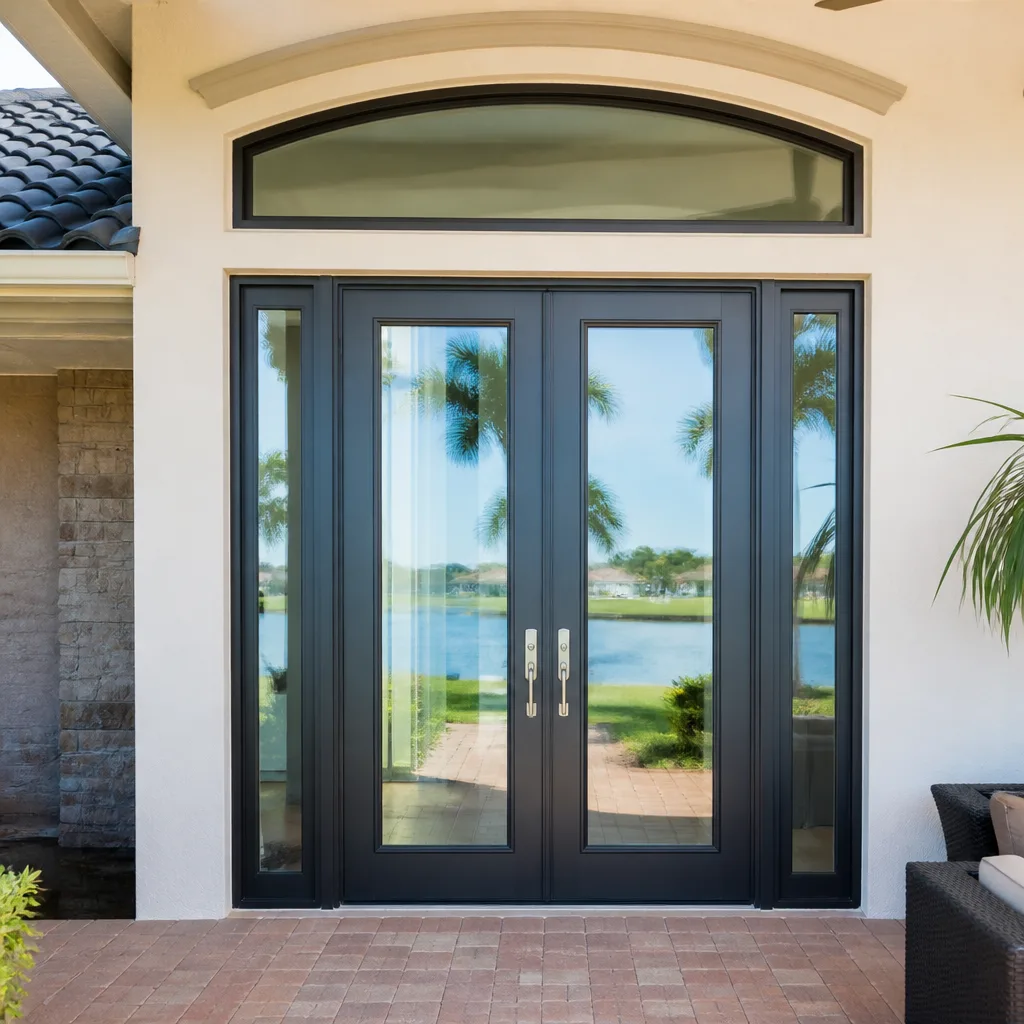
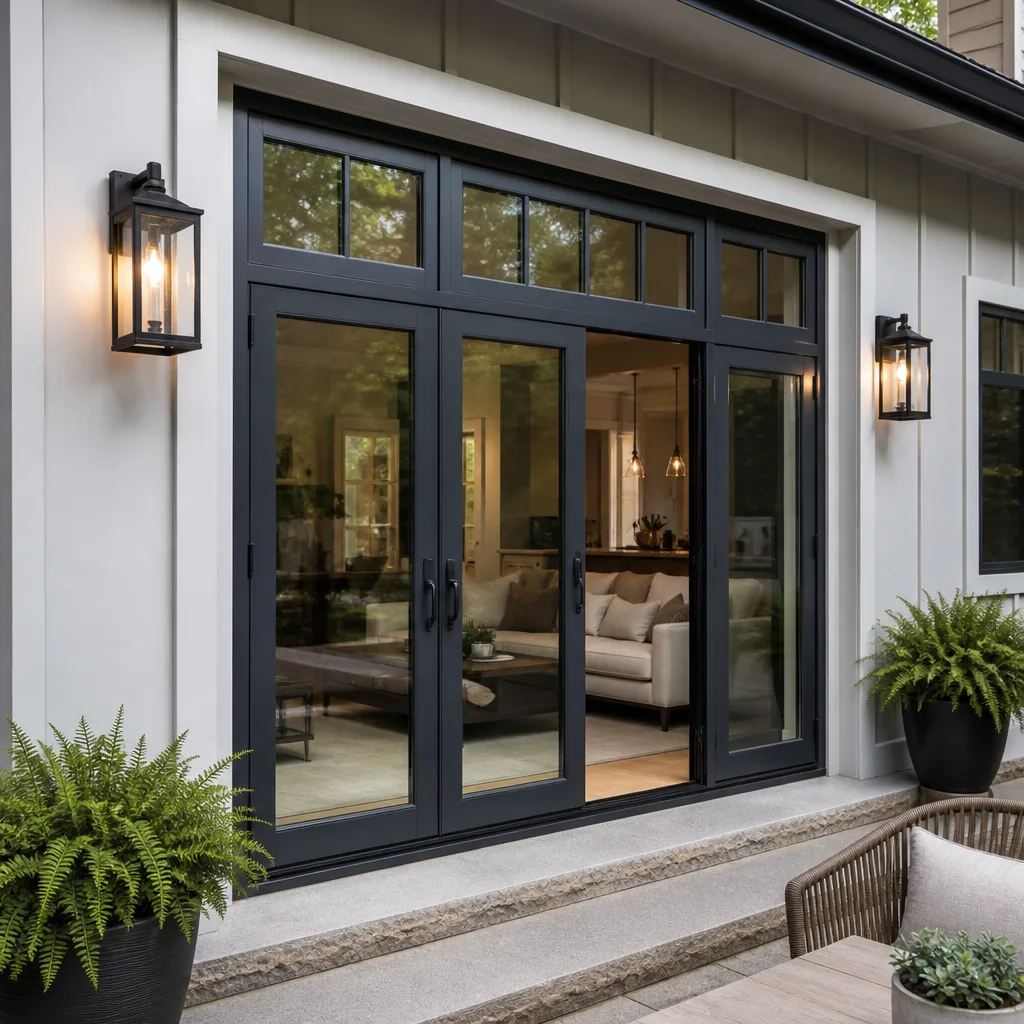
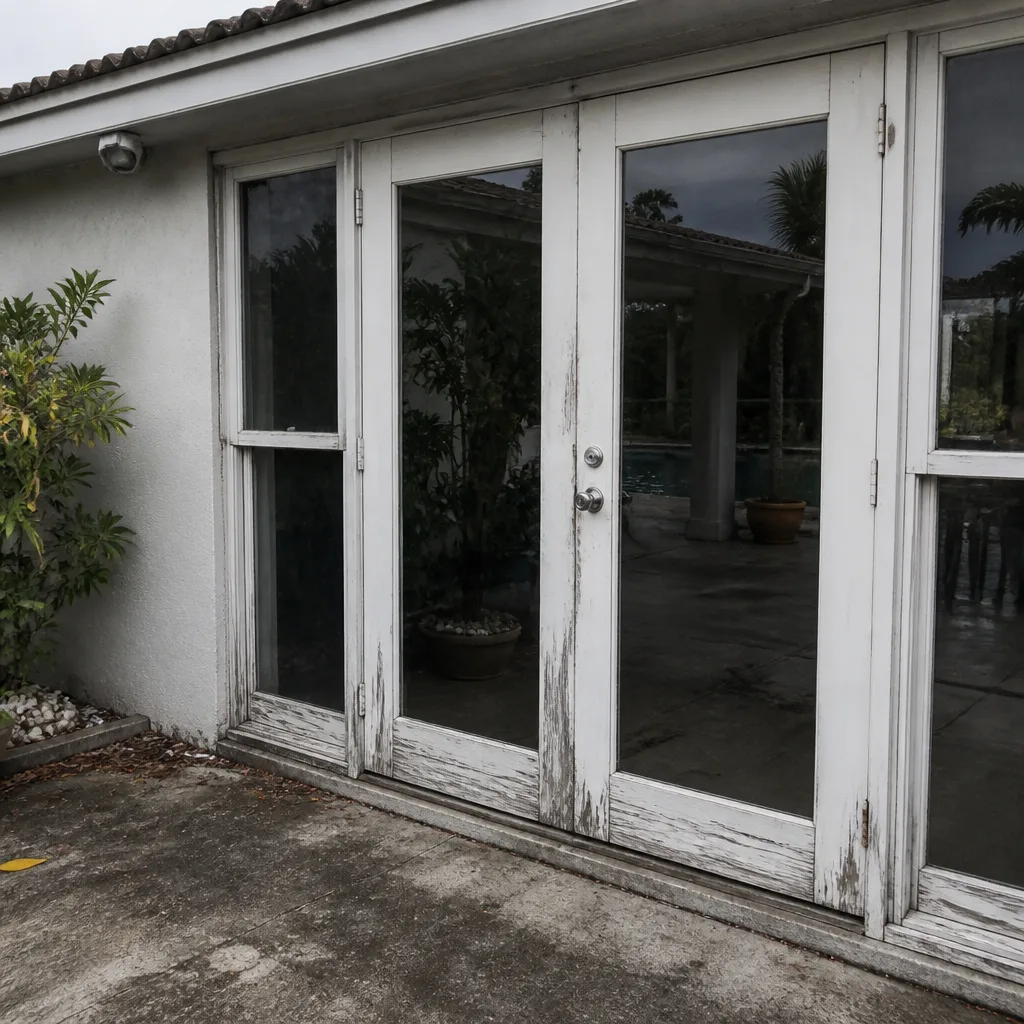 Before
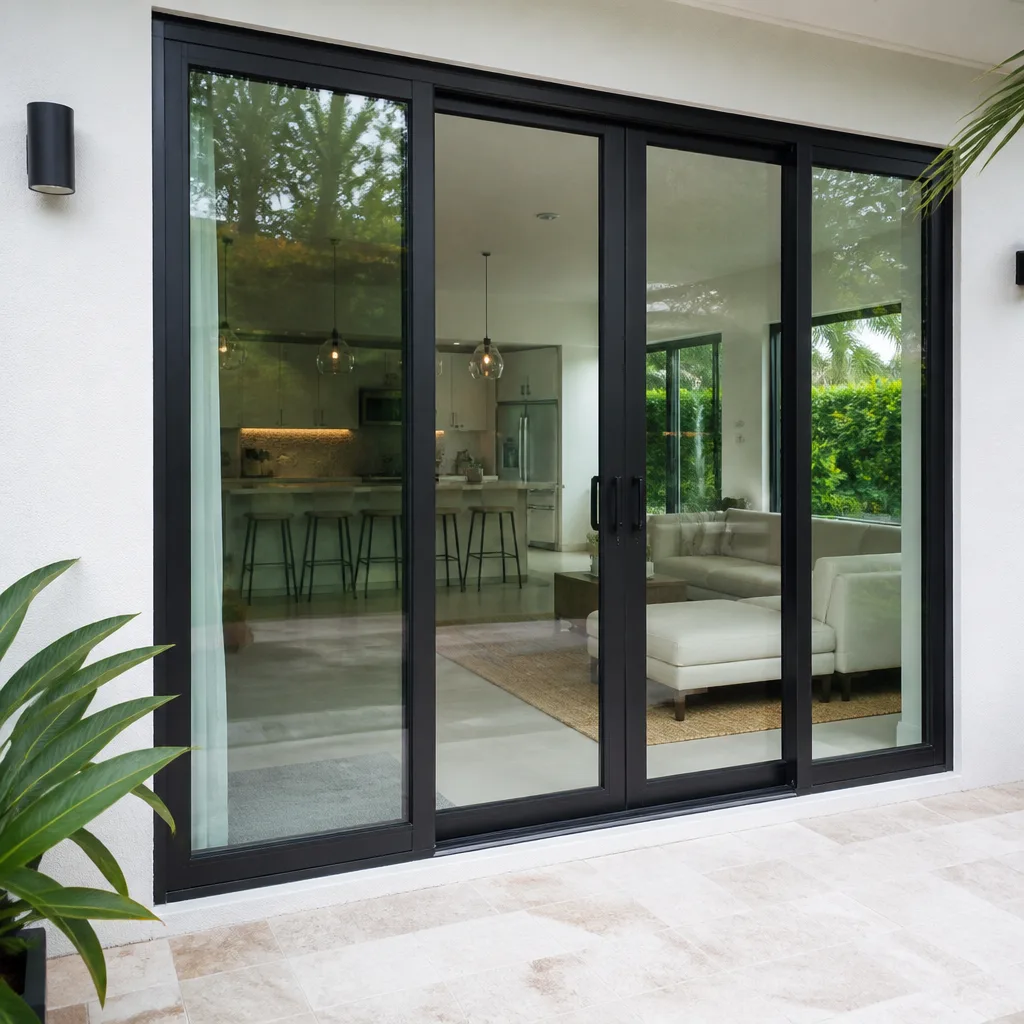 After
After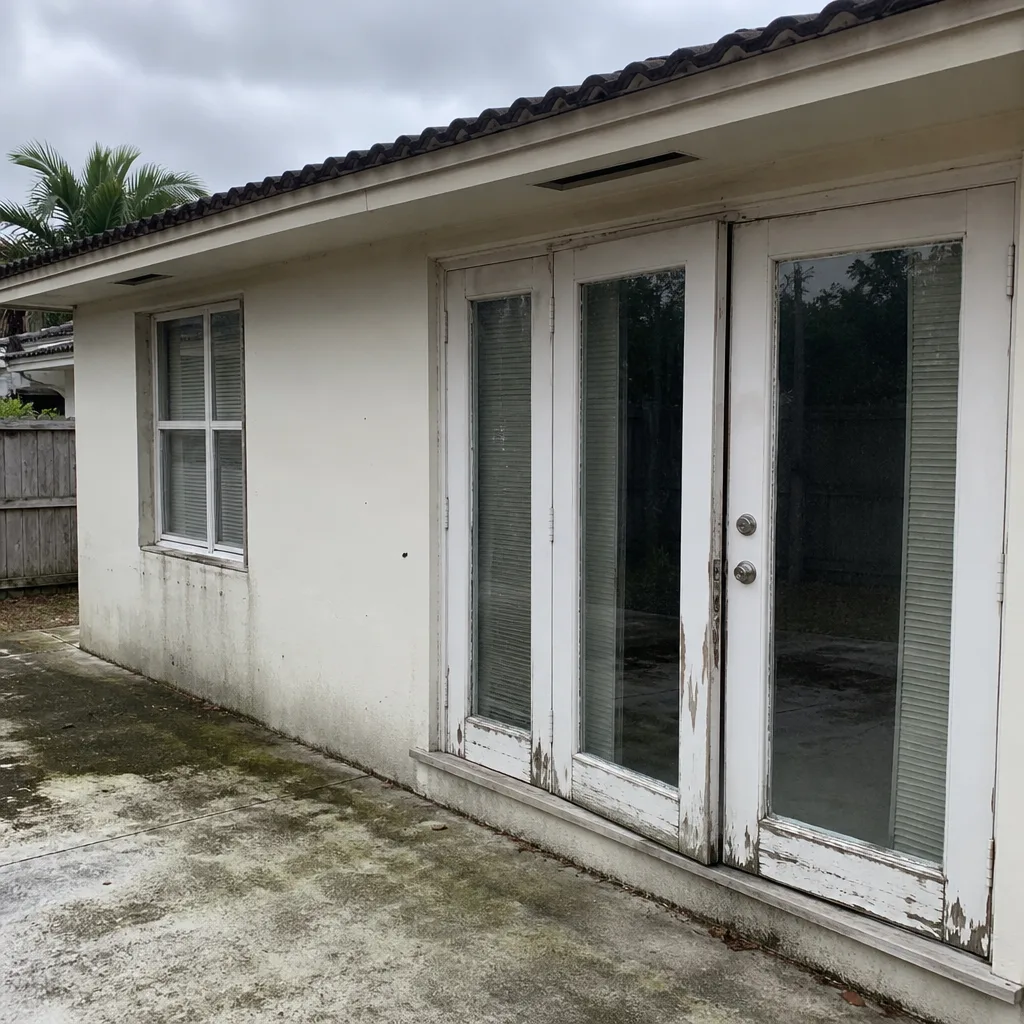 Before
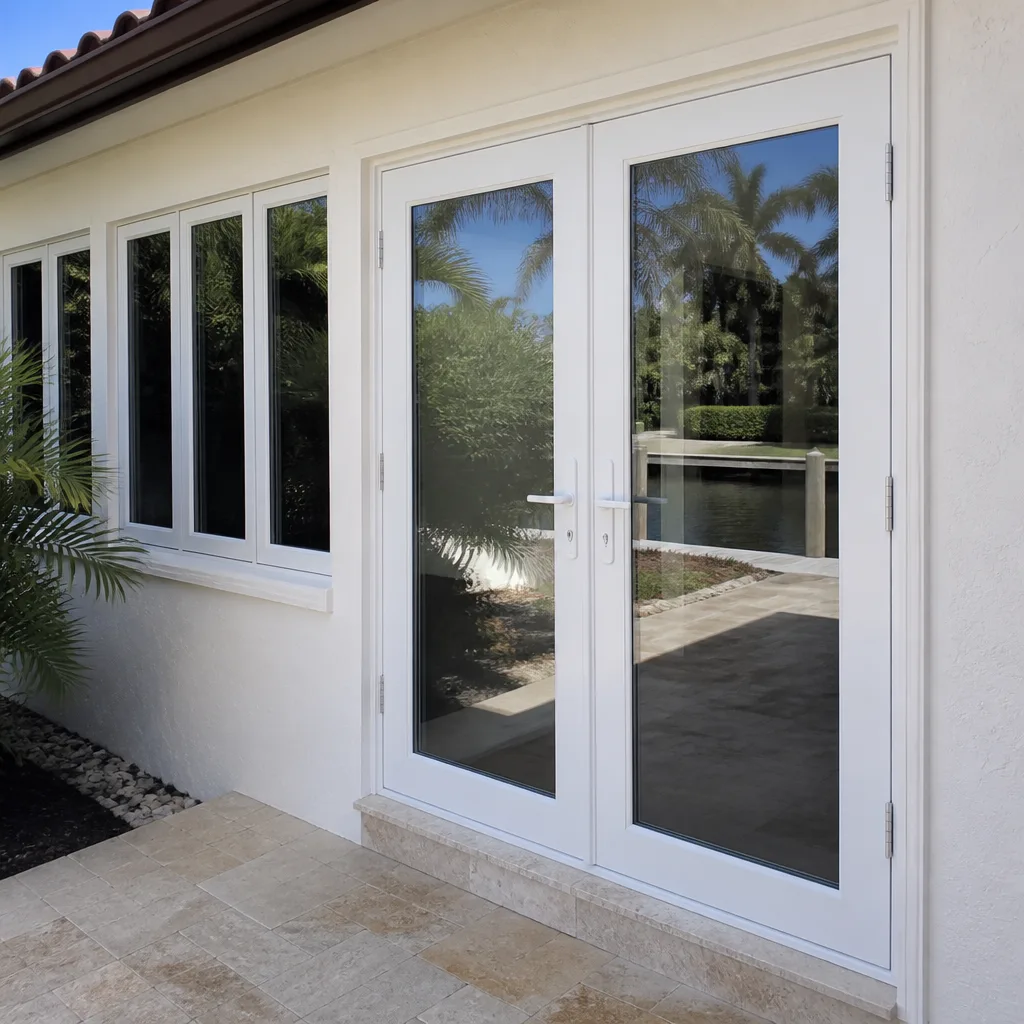 After
After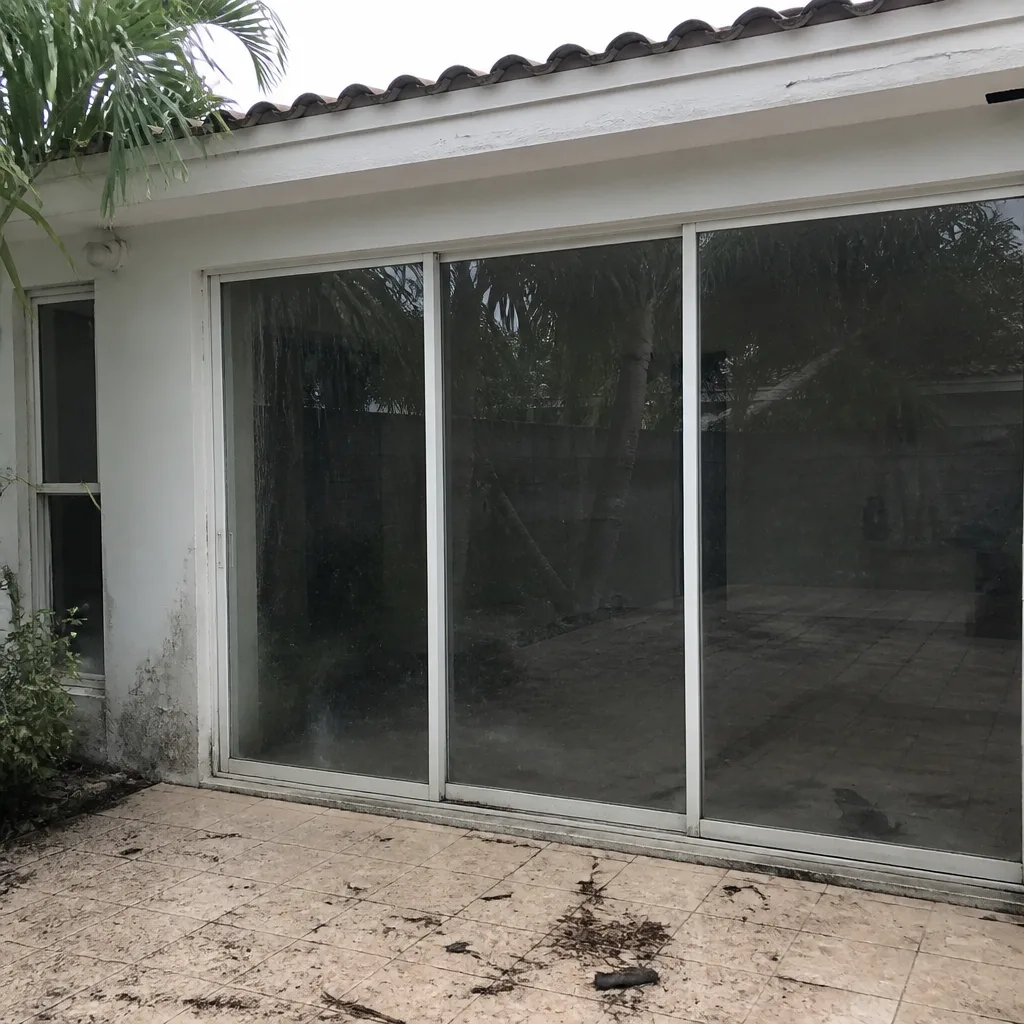 Before
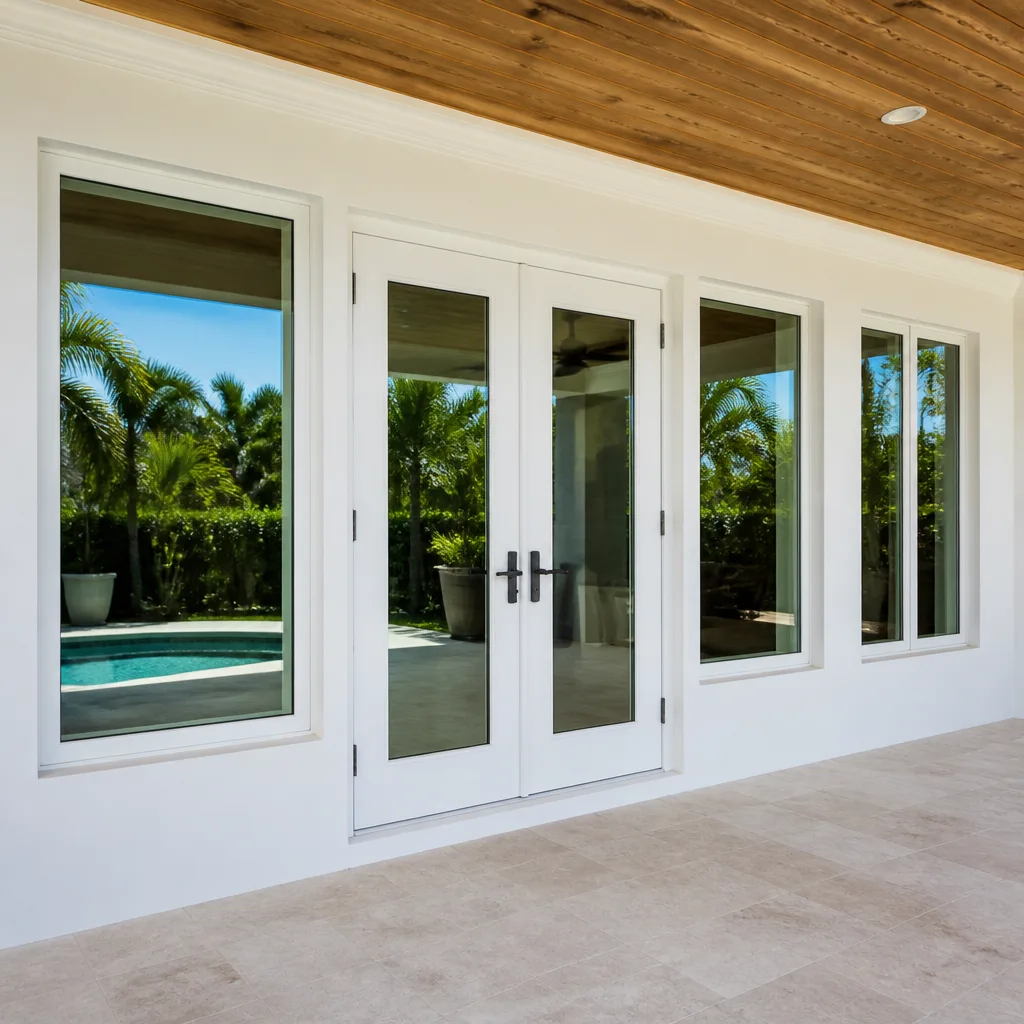 After
AfterHow to Hire a Windows & Doors Contractor in Miami: A Step-by-Step Guide
A contractor can carry a valid Florida license, pull a permit, and install a window with a legitimate NOA and still deliver a job that leaks at the first sustained rain. That is the quiet truth of the Miami market: installation method compliance is inspected visually, not tested under pressure, and the gap between code-minimum and done-right is wide enough to matter. This guide is for the homeowner who has been burned once and is paying close attention this time. You will learn the license classifications that actually authorize fenestration work, how to verify an installer is authorized by the manufacturer whose product they are quoting, the installation-method questions that separate a craftsman from a salesperson, and how to read a warranty clause like a contract lawyer. One careful read here can save you a five-figure mistake in Miami.
Quick Answer
To hire a windows and doors contractor in Miami, verify their Florida license classification authorizes residential fenestration work, confirm they are a registered authorized installer for the specific manufacturer brand you are buying, and ask installation-method questions (buck depth, flashing sequence, anchor spacing) before you sign. Require both warranty layers, manufacturer and workmanship, to be registered in writing with durations stated, and get a side-by-side written quote for at least two manufacturer lines. Start with a call to TruePane Windows & Doors at (561) 489-4036 for a free estimate in Miami.
Table of Contents
- The License Classifications That Actually Matter in Florida
- The Authorized Installer Question Most Guides Skip
- Installation Method: The Questions That Reveal Who Knows the Work
- Reading the Contract for Warranty Language That Holds
- Why the Lowest Bid Is Usually Low for a Specific Reason
- Miami-Specific Considerations: Climate, Code, and the Permit Process
- Questions to Ask Before You Sign Anything
- Common Mistakes to Avoid
- When to Call a Professional
- Frequently Asked Questions
- The Bottom Line
The License Classifications That Actually Matter in Florida
Florida issues contractor licenses by division and category, and not every license authorizes window and door replacement. This is the first place Miami homeowners get into trouble. The state’s Construction Industry Licensing Board issues several license types that sound broad but are actually narrow. A Certified General Contractor (CGC) can pull permits for a wide range of structural work, but a general contractor’s license does not automatically mean the holder has ever set a window in a concrete block opening under hurricane code. It means they passed the exam and carry the bond. Fenestration installation is a craft, not a category.
The licenses that specifically cover window and door installation in Florida include:
- Certified Building Contractor (CBC) - authorized for structural work including window and door openings, but confirm the contractor actually performs this work rather than subbing it out.
- Certified Residential Contractor (CRC) - authorized for residential construction including window and door replacement, provided the work does not alter the structural load path.
- Certified Glass and Glazing Contractor - a specialty license specific to glass work, glazing, and window systems. This is the license a second-generation glazier holds.
- Registered Residential Contractor (RR) - similar to CRC but registered rather than certified, meaning the license is valid only in specific local jurisdictions.
The practical question in Miami is not just whether the license is active. It is whether the person who will actually set your windows holds the specialty credential or whether a general contractor is subcontracting the work to an unknown crew. Ask directly: “Who installs the windows, and what license do they hold?” A straight answer tells you what you need to know. We have worked in Miami for over 42 years through our heritage of craft, and the number of jobs we have corrected where a general contractor subbed fenestration work to an unlicensed crew would surprise you. Florida’s DBPR website lets you verify any license in about two minutes. It is the cheapest insurance you will ever buy.
The Authorized Installer Question Most Guides Skip
Here is a failure mode that does not show up until year three: a window fails, you file a warranty claim with the manufacturer, and the manufacturer denies it because the contractor who installed the window was never authorized to install that brand. The homeowner assumed the contractor’s pitch was legitimate because the contractor quoted the product. In Miami’s window market, this happens more often than anyone likes to admit.
Every major manufacturer, Andersen, Pella, Marvin, Milgard, PGT, and CGI among them, maintains an authorized installer or certified contractor program. Being listed on that program means the installer has completed factory training on the specific product lines and has agreed to install according to the manufacturer’s written specifications. Manufacturers do not honor installation-related warranty claims when an unauthorized contractor sets the product, because they cannot verify the install method followed their spec.
TruePane is an authorized installer for more than a dozen manufacturer lines, including Andersen, Pella, Marvin, Milgard, Jeld-Wen, PGT, CGI, and ES Windows. When we quote a window, we quote manufacturer lines side by side on paper so the homeowner sees exactly what they are buying and can verify our installer status with the manufacturer directly. This is not a marketing claim. It is a verifiable fact you can check with any of those brands.
The question to ask is specific: “Are you a current authorized installer for this brand, and can you show me your installer certificate?” A contractor who hesitates or says “we can install anything” is telling you something important. Ask a second question: “Will you register both warranty layers, manufacturer and workmanship, in writing before you leave the driveway?” That is The Keystone Standard we operate under, and it is the baseline any Miami homeowner should require.
Installation Method: The Questions That Reveal Who Knows the Work
Most contractor interviews focus on price, timeline, and product. Those are surface questions. The deeper layer, the one that determines whether your windows leak during the next named storm, lives in the installation method. Miami’s climate punishes out-of-true installs faster than almost any market in the country. Salt air, sustained humidity, thermal cycling, and the occasional 140 mph wind event all find the weak points in a window installation. The contractors who know the work can talk about installation specifics without hesitation. The ones who know only the sales pitch will glaze over.
Here are the installation-method questions that separate craftsmen from salespeople in Miami:
- “What is your buck depth and how do you determine it for a concrete block opening?” In Miami, most window replacements in concrete block homes require a buck, a wood or composite frame set into the opening to receive the window. The depth of that buck relative to the interior finish and exterior stucco determines whether the window sits true and seals correctly. A contractor who cannot answer this question has never set a window in a block home.
- “What is your flashing sequence from rough opening to exterior face?” Flashing sequence is the order in which moisture barriers, sill pan, jamb flashing, and head flashing are layered. The sequence determines whether water that gets past the exterior face drains to the outside or runs into the wall cavity. Every manufacturer specifies a flashing sequence for Miami’s high-velocity hurricane zone. A contractor who says “we use tape and caulk” without detail is guessing.
- “What anchor spacing do you use, and how does it change for impact-rated products?” Impact windows are heavier than standard products, and the anchor spacing, the distance between fasteners securing the window frame to the structure, changes as a result. Miami-Dade County product approvals specify anchor spacing for every NOA product. A contractor who cannot cite the spacing for the product they are quoting is not installing to spec.
- “What do you do when you find rotted wood or cracked stucco in the opening?” This is the test of a contractor’s integrity. The honest answer is that the crew stops, calls the homeowner, and addresses the repair before proceeding, with a written change order. The convenient answer is that they cover it up and install over it. Miami homes get moisture intrusion in openings over decades. It is common. The question is whether the contractor deals with it honestly.
These questions will not make you popular with every contractor. That is fine. The contractor who resents them is the contractor you do not want. The contractor who lights up and starts explaining flashing details is the one who will still answer the phone in five years. We measure every opening twice and quote manufacturer lines side by side on paper, because the founding rule at TruePane has always been: if the pane is not true, the job is not done.
Reading the Contract for Warranty Language That Holds
Warranty language in a window and door contract is where the real money hides. A contractor can promise a lot in the sales meeting and deliver far less on paper. The document you sign is the only promise that matters in a dispute, and Miami homeowners who end up in disputes almost always discover the warranty clause they signed did not say what they thought it said.
Read the warranty section of any contract for these specific elements:
- Who registers the manufacturer warranty? The contract should state that the contractor, not the homeowner, registers the manufacturer warranty and provides written proof. If the language says the homeowner is responsible for registration, the warranty can slip through the cracks. TruePane registers both warranty layers before the truck leaves the driveway, and the homeowner gets documentation on the spot.
- What is the stated duration of the workmanship warranty? A vague “we stand behind our work” is not a warranty. A written duration that you can cite if something goes wrong is. TruePane backs every job with the 90-Day Done Right Promise, in writing, with no paperwork fights and no arguing if something is not right.
- What is the dispute process? If the window fails in year two, who do you call? What is the timeline for response? The contract should name a process, not a vague promise. A live person answers the phone at TruePane 24 hours a day, 7 days a week. That is not a policy, it is a practice, and it is in the contract.
- Does the warranty cover labor or parts only? Many manufacturer warranties cover the sealed glass unit but not the labor to remove and replace it. If the contract does not state who pays for labor on a warranty replacement, you are guessing. Get it in writing.
- What voids the warranty? Failure to register, installation by an unauthorized contractor, and sometimes failure to perform specified maintenance can void coverage. Know these conditions before you sign.
A square deal means upfront pricing, no surprises on the bill, and warranty language you can hold in your hand. If a contractor will not put the warranty terms in writing, walk away. In Miami, verbal promises evaporate faster than a summer rain.
Why the Lowest Bid Is Usually Low for a Specific Reason
Three quotes come back for the same window package in Miami: one at $8,000, one at $9,500, one at $12,000. The natural instinct is to ask what the $12,000 contractor is doing differently. The better question is what the $8,000 contractor is leaving out. Because in the window and door trade, the low bid is rarely low by accident. It is low by design, and the reason is usually specific and identifiable if you know where to look.
Common reasons the low bid comes in low:
- The contractor is not registering the manufacturer warranty. Registration costs nothing in dollars, but it costs time and administrative effort. A contractor who skips it can undercut a contractor who does not. The homeowner discovers the gap when the warranty claim is denied.
- The quote is for a different product than you discussed. A contractor can quote a box-store window at a box-store price and describe it with the language of a premium product. Side-by-side quotes on paper prevent this. TruePane quotes manufacturer lines side by side so the homeowner sees exactly what they are buying.
- The installation method does not meet Miami-Dade requirements. Proper flashing, anchor spacing, and buck depth all take time and materials. A contractor who skips steps can quote a lower price. The savings disappear the first time the window leaks.
- The crew is not background-checked or trained. Labor is the largest variable cost in a window installation. A contractor who pays substandard wages to substandard crews can quote a lower price. The cost difference shows up in the quality of the install.
- The contractor is not pulling a permit. This is illegal in Miami-Dade County, but it happens. A contractor who skips the permit saves the fee and the inspection time. The homeowner inherits the liability.
- Salt air accelerates corrosion on aluminum frames and hardware. Coastal homes in neighborhoods like Brickell, Coconut Grove, and Key Biscayne need hardware rated for the environment.
- Sustained humidity drives moisture intrusion through any gap in the flashing or seal. A job that looks fine in January can leak by July.
- Thermal cycling, hot days and warm nights, causes expansion and contraction that works seals loose over time. This is why installation method matters more in Miami than in most markets.
- Older concrete block homes in neighborhoods like Little Havana, Westchester, and Kendall were built before modern flashing standards. Replacement windows in these homes require a contractor who knows how to deal with legacy construction methods.
- What Florida license classification do you hold, and is it current? Verify the number on the DBPR website before you proceed.
- Are you an authorized installer for the specific manufacturer brand you are quoting? Ask to see the certificate. Call the manufacturer to confirm if you want to be thorough.
- Will you register both warranty layers, manufacturer and workmanship, in writing before you leave the driveway? If the answer is not an immediate yes, walk.
- What is your buck depth for a concrete block opening, and how is it determined? This question alone will filter out the salespeople.
- What is your flashing sequence from rough opening to exterior face? Listen for specific steps: sill pan, jamb flashing, head flashing.
- What anchor spacing will you use for my product, and does it match the NOA? The answer should be specific and verifiable.
- Do you pull the permit, and who schedules the inspection? The contractor should handle both. If they suggest skipping the permit, that is your cue to end the conversation.
- What do you do when you find rotted wood or cracked stucco in the opening? The honest answer involves a written change order. Any other answer is a red flag.
- Can I see a side-by-side written quote for at least two manufacturer lines? This shows you exactly what you are buying and prevents product bait-and-switch.
- Who installs the windows, and what training do they have? Background-checked, uniformed technicians are the standard. If the contractor will not tell you who will be in your home, find another contractor.
- Assuming a general contractor’s license means window expertise. A CGC can pull a permit, but that does not mean they have ever set an impact window in a concrete block opening. Confirm the specific fenestration experience.
- Skipping the authorized installer check. An unauthorized install can void the manufacturer warranty before the first year is up. Verify installer status with the manufacturer directly.
- Comparing quotes without comparing products. A $8,000 quote and a $12,000 quote are not bids for the same job if they are for different products. Get side-by-side quotes on paper for the same or equivalent manufacturer lines.
- Signing a contract with vague warranty language. “We stand behind our work” is not a warranty. “Workmanship guaranteed for 90 days, in writing, with a named dispute process” is. Read the clause before you sign.
- Not pulling a permit to save money. In Miami-Dade County, unpermitted window replacement is a code violation that can bite you when you sell the house. The savings are not worth the liability.
- Ignoring the installation method questions. The product matters, but the install matters more in Miami’s climate. A premium window installed with skipped flashing steps will leak. A mid-range window installed correctly will perform for decades.
- Choosing a contractor based on price alone. The lowest bid is usually low for a specific, identifiable reason. Find out what that reason is before you choose.
The right follow-up question when a bid comes in dramatically low is simple: “Can you walk me through exactly what is included, line by line, and tell me what you are doing differently from the higher bids?” A contractor with a legitimate reason will explain it. A contractor with no good answer will deflect. That tells you everything you need to know.
Miami-Specific Considerations: Climate, Code, and the Permit Process
Miami is not a generic market, and window installation here is not a generic job. The combination of salt air, sustained humidity, hurricane wind loads, and one of the strictest building codes in the country means the product and installation choices you make have consequences that homeowners in other markets never have to consider. The lessons from our over 42 years of community service in Miami are specific.
The Miami-Dade County product control system requires every window and door product to carry a Notice of Acceptance (NOA), a product approval document that certifies the product meets the county’s wind load and impact requirements. The NOA is not a suggestion. It is the law. But the NOA approves the product, not the installation. A window with a perfect NOA installed in an out-of-true opening with incorrect flashing will still fail. The code inspection checks visual details like anchor type and spacing, but it does not run a water test. That is the gap this guide exists to address.
Miami’s climate also creates specific failure patterns we see regularly in older homes:
The permit process in Miami-Dade County is also stricter than in most of Florida. Permits are required for window and door replacement, and the work must be inspected. The inspection verifies Code compliance, but as we have said, it is a visual check. The job can pass inspection and still leak at the first sustained rain. That is why the questions in this guide matter. The contractor you hire is the real quality control system.
Questions to Ask Before You Sign Anything
We have covered the big topics. Here is the complete list of questions to work through with any contractor before you sign a window or door contract in Miami. Print this list. Bring it to the sales meeting. Ask every question. The contractor’s reaction to the list is itself information.
We have worked in this market for a long time, in neighborhoods from Hialeah to Palmetto Bay, and we have seen every version of the wrong answer to these questions. The homeowners who ask them get better work. It is that simple.
Common Mistakes to Avoid
When to Call a Professional
Window and door replacement is not a weekend project, and in Miami it is not a project to hand to a handyman with a pickup truck. Call a professional when you see fogged glass between the panes of a double-pane window, when a door binds in the frame during the humid months, when you notice water staining around window sills after rain, or when your windows are original to a home built before modern impact standards. These are signs the window has failed or the installation is failing, and they do not get better on their own. In Miami, a failed window seal is not just an energy problem. It is a moisture intrusion problem waiting to happen. TruePane Windows & Doors home offers free estimates in Miami. Call (561) 489-4036 and a live person will answer, 24 hours a day, 7 days a week.
Frequently Asked Questions
Window replacement in Miami typically runs $500 to $1,200 per opening for standard products installed, with impact-rated windows running $900 to $2,500 per opening depending on the manufacturer line and the size of the opening; see our Windows & Doors Cost Breakdown: The Miami Homeowner’s Reference for 2026 for deeper context. The final number depends on the product you choose, the condition of the existing openings, and whether the contractor is quoting a box-store product or a premium manufacturer line like Andersen, Pella, or PGT. Call (561) 489-4036 for a written, line-by-line quote with manufacturer lines side by side on paper.
The price should not change unless the contractor discovers a condition that could not have been known before the work began, like rotted wood or cracked stucco hidden in the opening. A legitimate contractor will stop, explain the finding, and present a written change order before proceeding. A no-hassle upfront pricing policy means no surprise line items on the bill. At TruePane, we quote upfront and stick to the number unless the opening reveals something the quote could not have anticipated, and even then, you approve the change in writing before we proceed.
Yes. Window and door replacement requires a permit in Miami-Dade County, and the contractor should pull the permit and schedule the inspection as part of the job. The inspection verifies code compliance, but it does not test for water-tightness, which is why installation method matters. If a contractor suggests skipping the permit to save money, that is your cue to end the conversation.
Most window replacement jobs in Miami are completed in a single day for a standard number of openings, with larger whole-house projects running two to three days depending on scope and product. The timeline depends on the number of openings, the product type, and the condition of the existing openings. Impact window installation can take longer due to the weight of the product and the anchor spacing requirements. TruePane completes most jobs in a single visit, with no second appointment left hanging.
An impact window in Miami is a product that has passed Miami-Dade County testing for wind-borne debris impact and cyclic wind pressure, and carries a Notice of Acceptance (NOA) from the county. A regular window has not passed this testing and may not meet code requirements in the High Velocity Hurricane Zone. Impact windows use laminated glass and reinforced frames to resist debris impact without shattering, and they typically meet the wind load requirements for the area.
Yes. TruePane offers free estimates for all window and door work in Miami, including window installation and window replacement. Call (561) 489-4036 and a live person will answer, 24 hours a day, 7 days a week. We measure every opening twice, quote manufacturer lines side by side on paper, and register both warranty layers in writing before the truck leaves the driveway.
The Bottom Line
Hiring a windows and doors contractor in Miami is not as simple as checking a license and comparing three prices. The gap between a code-minimum install and a done-right install is wide enough to matter, and the difference shows up at the first sustained rain or the next storm season. Ask the installation method questions. Verify the authorized installer status. Read the warranty language like a contract lawyer. And remember the founding rule that names our company: if the pane is not true, the job is not done. A square deal means upfront pricing, written warranties, and a contractor who will still be in town and still answer the phone in thirty years. TruePane Windows & Doors has served Miami for over 42 years through a heritage of craft and community commitment, and we plan to be here for decades more. Call (561) 489-4036 to schedule your free estimate and meet a contractor who does the work right the first time.
Written by Dale Kessler, Owner at TruePane Windows & Doors, serving Miami since 2008.
Six Reasons Homeowners Choose TruePane Windows & Doors
Impact systems engineered to design pressures up to +/-100, matched to your wind zone - your openings hold when the storm arrives.
Low-E insulated impact glass from our manufacturer lines commonly cuts monthly cooling bills 20-30%.
Laminated impact glass shuts out up to 40% of outside noise - traffic, neighbors, weather.
Monitoring services run $30-90 a month. Laminated impact glass resists forced entry around the clock, with no subscription.
Florida homeowners average around 25% savings on the windstorm portion of their policy after protecting every opening - some homes qualify for more.
A full impact package upgrades curb appeal, buyer confidence and appraised value in one project.