
Last updated August 28, 2026
Free in-home measure and quote - PGT, CGI and CWS impact lines compared on your actual openings, style by style

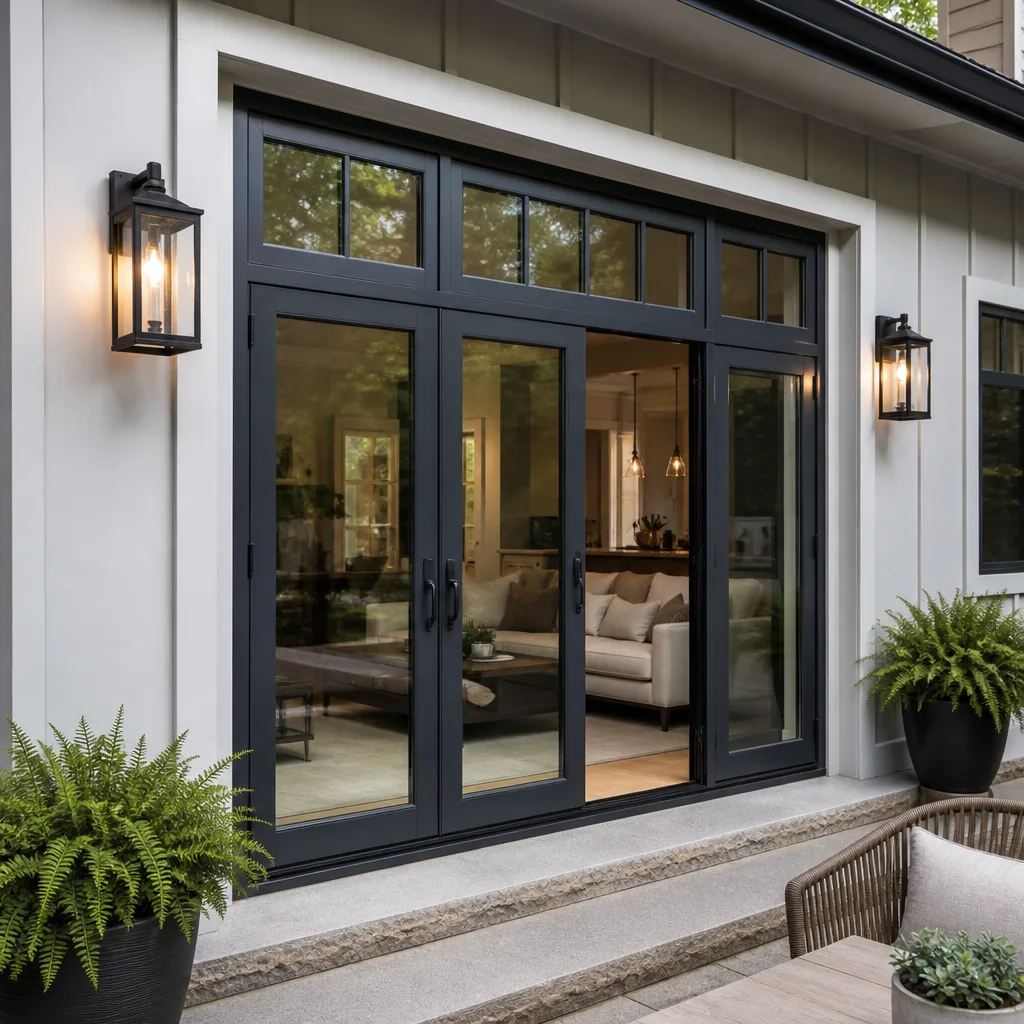
 Before
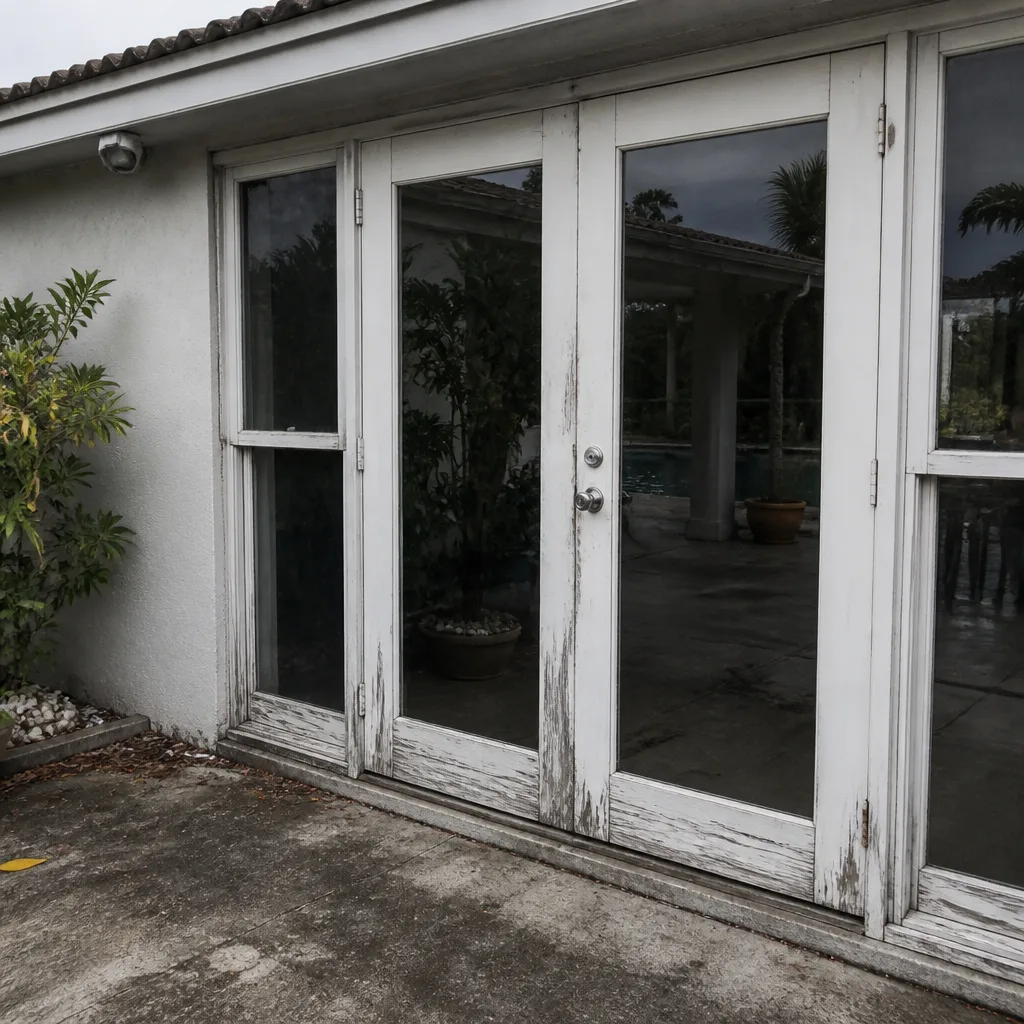
 After
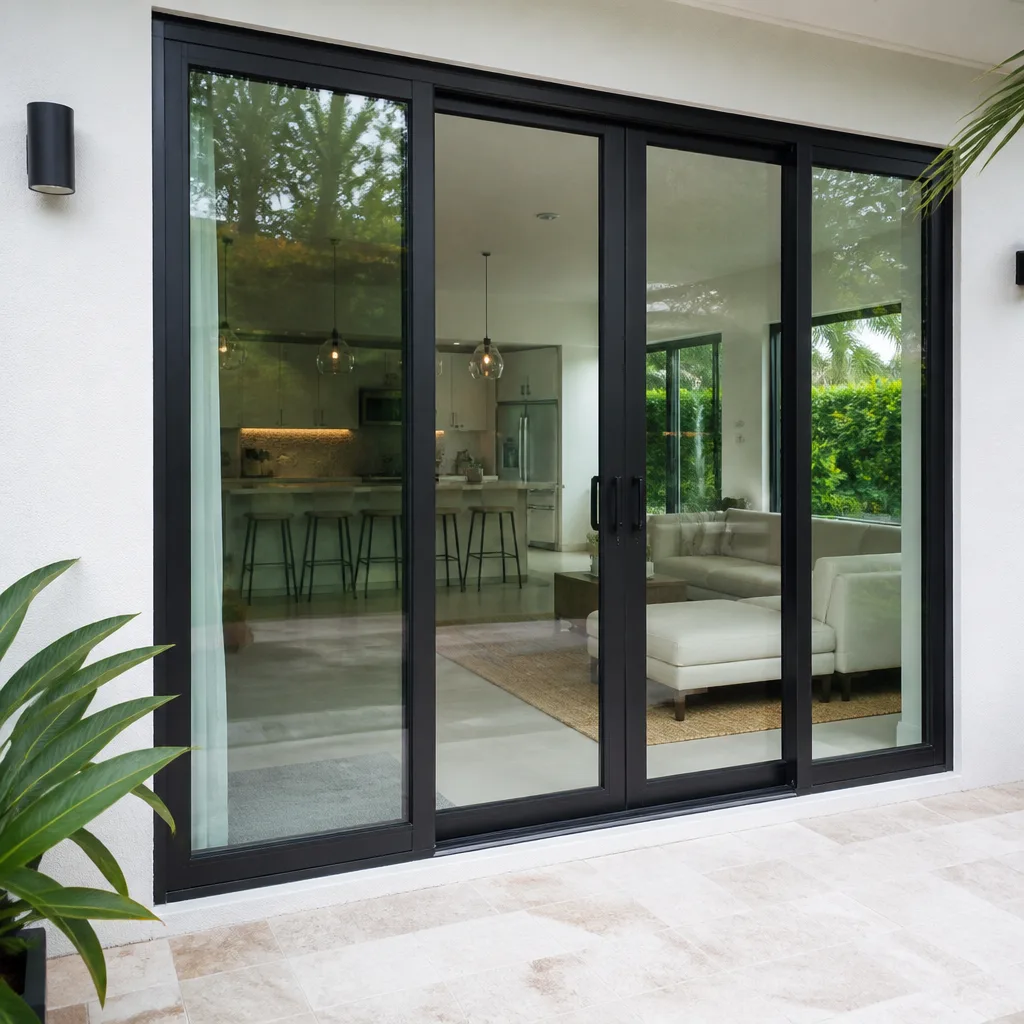
After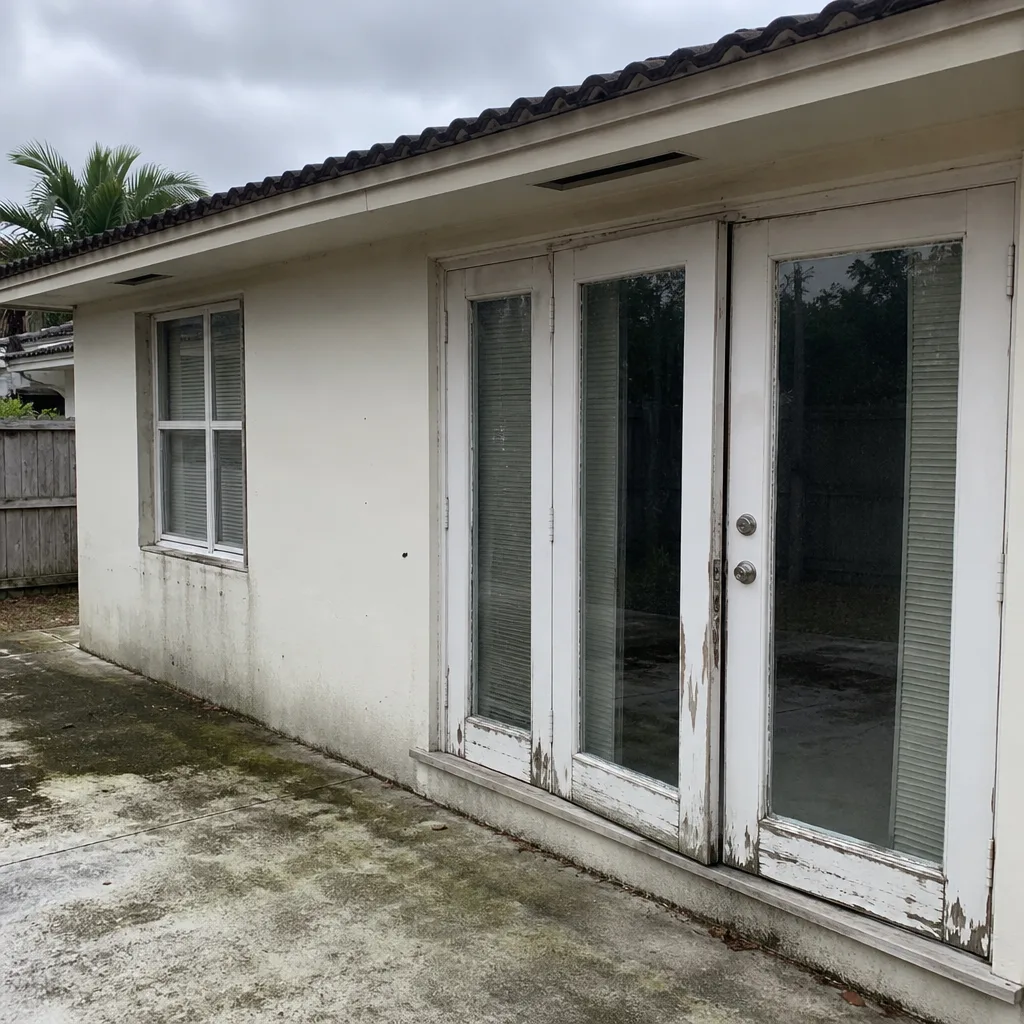 Before
 After
After Before
 After
AfterImpact Windows Maintenance Checklist for Miami Homeowners
The laminated interlayer that keeps impact glass from scattering on impact is also the component most silently degraded by UV exposure and frame seal failure, and most Miami homeowners never look at it until after a storm event has already told them something was wrong. Impact windows are sold as low-maintenance, and relative to wood-frame single-pane units they are. But low is not none, and the specific failure points in a Miami environment are predictable enough that a focused checklist catches them before they void a warranty or compromise a storm rating. This guide gives you that checklist in plain language, written the way a glazier would explain it across your kitchen table.
Quick Answer
Impact window maintenance in Miami comes down to four seasonal tasks: inspecting perimeter seals and glazing compound for UV bubbling and yellowing, clearing weep holes every quarter to handle the rainfall volume, lubricating multi-point locking hardware twice a year to prevent salt-air seizure, and keeping a dated maintenance log with photos for warranty documentation. Most of this takes under an hour per window per year, and none of it requires special tools. What it does require is consistency, because Miami’s UV index, humidity, and salt air combine to age window seals faster than almost any other coastal market in the United States.
Table of Contents
- How to Inspect Glazing Compound and Perimeter Seals
- Weep Hole Clearing as a Quarterly Task
- Hardware Lubrication Intervals for Impact-Rated Locks
- How to Document Your Maintenance Log for Warranty Claims
- What You Can Do Yourself Versus What Voids the Warranty
- Miami-Specific Considerations: Salt, UV, and Code
- A Seasonal Maintenance Schedule That Works
How to Inspect Glazing Compound and Perimeter Seals
Impact windows carry their storm rating in the glazing, the frame, and the seal between them. In Miami, that seal faces three enemies at once: ultraviolet light that breaks down polymer compounds, humidity that works into any micro-gap, and salt air that accelerates both. We’ve seen windows in Miami impact window installations fail their seal within five years of installation purely because the homeowner never looked at the perimeter bead until condensation showed up between the glass panes.
The inspection itself is simple, and it should happen twice a year. Start by standing inside the house and running your eye along the entire perimeter of each window sash where the glass meets the frame. You are looking for three specific conditions:
- Yellowing of the glazing compound. Normal UV exposure causes a slight amber tint over a decade. But uneven yellowing in patches, or yellowing that appears within two years, indicates a compound that is failing chemically, not just aging. This is common in Miami because the same UV index that drives tourism is brutal on sealants.
- Bubbling in the perimeter seal. Small bubbles under the surface of the sealant indicate trapped moisture reacting inside the compound. This is different from normal weathering and should be documented immediately. Once bubbling appears, the seal is not going to recover on its own.
- Separation or pulling away from the frame. Run a fingertip along the seal. If the compound has pulled back from the frame anywhere, even a fraction of an inch, water has a path in. In Miami’s afternoon thunderstorms, that path becomes a leak fast.
If you find any of these, do not apply DIY sealant over the top. The original waterproofing path is already compromised, and layering new compound over old does not restore the pressure rating. A trained glazier needs to reglaze the unit, which means removing the old compound entirely and re-bedding the glass. The window installation standard in coastal Miami is precise for a reason: once a seal fails, the storm rating is no longer guaranteed.
Weep Hole Clearing as a Quarterly Task
Weep holes are the small drainage openings at the bottom exterior of impact window frames. They exist to let water that gets past the exterior seal drain back out instead of pooling inside the frame. In Miami, where a single summer thunderstorm can drop two inches of rain in an hour, a blocked weep hole becomes a structural problem within one wet season.
Here is what happens when a weep hole clogs. Water enters the frame track, finds no exit, and pools. The standing water raises the humidity inside the frame cavity, which accelerates corrosion on the hardware and creates pressure against the sill seal. Over one Miami wet season, which runs roughly May through October, this pooled water can rot the sill substrate and cause the frame to swell. Once the frame swells, the sash no longer seats correctly, which means the impact rating is compromised even if the glass itself is fine. We’ve seen this exact sequence in older Miami homes where the original windows were installed without adequate drainage in the first place.
Clearing weep holes is straightforward, but it needs to happen on a schedule. Every three months, do the following:
- Locate every weep hole. They are along the exterior bottom edge of the frame, typically one per sill section. Some impact frames have concealed weep channels that exit through a small slot rather than a visible hole. If you cannot find them, check the manufacturer’s diagram or have a glazier point them out during your next service call.
- Clear debris with a soft tool. A soft-bristle brush, a pipe cleaner, or a can of compressed air works well. Do not use a stiff wire or a screwdriver, which can scratch the frame coating and create a new corrosion point.
- Flush with water. Pour a small amount of clean water into the interior track and watch the exterior weep hole. If water drains out promptly, the channel is clear. If it pools or trickles, repeat the clearing process.
- Check after heavy storms. If a named storm or a particularly violent afternoon cell passes through, check the weep holes again. Debris blown by storm winds clogs them faster than anything else.
For Miami homeowners, this quarterly habit matters more than it does in drier climates. The same drainage system that is optional maintenance in Phoenix is a structural necessity here. Blocked weep holes are one of the most common findings when we are called out for window replacement in Miami on otherwise sound frames.
Hardware Lubrication Intervals for Impact-Rated Locks
Impact-rated multi-point locking mechanisms are engineered to tighter tolerances than standard window hardware. The locking points have to engage precisely, under load, without slop, or the unit will not seal correctly against wind-driven rain. In Miami’s salt-humid air, that precision hardware corrodes faster than it did in the showroom, and the corrosion pattern is different from what you would see in a drier coastal climate.
Salt air acts as an electrolyte, accelerating the oxidation of any bare metal in the lock mechanism. Humidity alone would eventually cause stiffness. Salt humidity causes a chalky white oxidation that actually binds the moving parts together. Once a multi-point lock seizes, the homeowner usually discovers it during a storm watch, when they try to throw the lock and cannot. That is the worst possible time to find out the hardware needed servicing.
The fix is simple and predictable. Twice a year, in spring and fall, lubricate every locking mechanism on every impact window and door. Use a dry-film lubricant with PTFE, which does not attract salt dust the way oil-based lubricants do. An oil-based spray lubricant in Miami will collect salt and sand and turn into a grinding paste within months. A dry PTFE lubricant leaves a slick film that repels moisture and does not hold grit.
The procedure takes about two minutes per window:
- Open the window fully and wipe the locking hardware with a clean, dry cloth to remove visible salt film and dust.
- Spray the dry-film lubricant directly into the lock mechanism, along the sliding hardware track, and onto the hinge points.
- Work the lock and the sash back and forth several times to distribute the lubricant through the moving parts.
- Wipe away any excess from visible surfaces so it does not collect dust.
We have also noticed that impact doors with multi-point locks benefit from the same schedule. The door hardware works harder than window hardware, and salt air gets to it faster because it is opened more often. If your impact door lock has started to feel gritty, do not wait for the next scheduled service. Lubricate it then, and keep the spring and fall schedule going forward.
How to Document Your Maintenance Log for Warranty Claims
Manufacturer warranties on impact windows typically require that the homeowner maintain the product according to the manufacturer’s published guidelines. When a warranty claim is filed, the manufacturer may ask for evidence that maintenance was performed. In our experience, the homeowners who keep a simple, dated log with photos get their claims approved faster and with less back-and-forth than those who do not.
The log itself does not need to be complicated. A spiral notebook works. A spreadsheet works better because you can attach photos. What matters is the format and the language. Here is what a useful warranty maintenance log entry looks like:
Date: March 14, 2026
Unit: North bedroom, window 3 of 5
Task performed: Inspected perimeter seal and glazing compound. No yellowing, bubbling, or separation observed. Cleared weep holes on all five north bedroom windows. Lubricated multi-point locks with dry PTFE spray.
Observations: Minor salt film on exterior hardware, wiped clean. No signs of seal degradation.
Photos attached: IMG_2841 through IMG_2846, showing seal condition and weep hole drainage test.
The language matters because warranty adjudicators look for specific observations, not vague assurances. “Inspected seals and hardware, no issues found” is better than nothing but weaker than “Inspected perimeter glazing compound for yellowing, bubbling, and separation; none observed.” Write what you checked and what you saw. If you find a problem, document the date you found it and the date you called for repair. That timeline protects you if the manufacturer later questions why a small issue became a big one.
Photos should show the seal condition at the frame-to-glass junction, the weep holes before and after clearing if you can manage it, and any damage or anomalies you find. Store the photos and the log somewhere you can find them in five years. Cloud storage with a dedicated folder named “Impact Windows Maintenance” works, and it ensures the records survive a phone upgrade or a hard drive failure. This documentation habit is the difference between a warranty that pays out and a warranty that gets denied for lack of maintenance evidence. We register both manufacturer warranty layers in writing for every window we install, and we tell every Miami customer the same thing: the registration is only as good as the maintenance proof behind it.
What You Can Do Yourself Versus What Voids the Warranty
Impact window warranties are specific about what constitutes owner maintenance versus unauthorized repair. The general rule is that cleaning, inspection, lubrication, and weep hole clearing are owner tasks. Anything that involves disassembling the frame, removing the glass, or altering the hardware is unauthorized, and performing it can void the product warranty outright.
Here is the breakdown by component type:
- Glass and interlayer: You can inspect it. You can clean it with mild soap and water. You cannot do anything else. If the interlayer shows delamination, clouding, or visible separation at the edge, that is a warranty issue, not a repair project. Attempting to fix it yourself voids the warranty immediately.
- Frame and sash: You can clean the vinyl or aluminum surfaces with a soft cloth and mild detergent. You can clear the weep holes. You cannot drill new drainage holes, cut the frame, or apply structural adhesive. Unauthorized frame modification voids the storm rating and the warranty together.
- Hardware: You can lubricate the locks and hinges. You can tighten visible screws if they have come loose from normal use. You cannot replace a multi-point lock mechanism yourself, and you cannot drill new screw holes if the existing ones strip. Hardware replacement on impact-rated units requires a trained installer who understands the lock’s role in the pressure rating.
- Seals and glazing compound: You can inspect them and document what you see. You cannot reglaze the unit yourself. Reglazing impact glass requires removing the old compound under controlled conditions and re-bedding the glass at the correct depth and pressure. A homeowner reglaze, no matter how careful, is an unauthorized repair that voids the product warranty.
The distinction matters because Miami homeowners sometimes try to save money on a small repair and end up owning a window with no warranty at all. If you are not sure whether a task is owner maintenance or unauthorized repair, call the manufacturer or call a glazier who knows the product line. We quote side by side on paper because we want customers to know exactly what they are paying for, and we will tell you if a repair is too small to be worth doing. Sometimes the honest answer is that the window needs replacement, not repair, and a square deal means saying so.
Miami-Specific Considerations: Salt, UV, and Code
Miami’s building code is one of the strictest in the country for windborne debris protection, and that strictness extends to how impact windows must be maintained after installation. A window that passes its initial pressure test can fail a post-storm inspection if its seals have degraded or its hardware no longer engages. This is not a technicality. Insurance companies after a major storm event look for reasons to deny claims, and a failed post-storm inspection on your impact windows becomes a reason.
The environmental factors that drive maintenance needs here are also more aggressive than in most markets:
UV index. Miami regularly sees UV index readings of 9 to 11, which the EPA classifies as very high to extreme. That level of ultraviolet exposure breaks down polymer sealants and vinyl frame compounds faster than the manufacturer’s standard testing predicts. A seal that might last fifteen years in Ohio can show meaningful degradation in eight years in South Florida.
Salt air. The Atlantic is close, and the prevailing east wind carries salt across the entire metro area, not just the beachfront. Salt air accelerates metal corrosion on hardware and frames, and it works on aluminum frames even when they are powder-coated. Any scratch in the coating becomes a corrosion point.
Rainfall volume. Miami averages over 60 inches of rain per year, concentrated in a six-month wet season. That is more than three times the national average, and it means the drainage systems built into impact window frames are working hard on a schedule they were not designed for in most product specification sheets. Weep hole maintenance here is not optional. It is the first line of defense against frame rot and sill failure.
Some neighborhoods deal with these factors more intensely than others. Homes on the barrier islands in Miami Beach and Key Biscayne face direct salt spray. Homes in Coconut Grove and Coral Gables sit under heavy canopy that traps humidity against window frames. Homes in the southwest suburbs like Kendall and West Kendall get the full brunt of the summer afternoon storms without the breeze that helps dry things out. The maintenance checklist is the same everywhere, but the urgency is highest where salt and standing humidity combine.
We recommend brands that stand up to this environment because we have seen which ones do not. In Miami, impact windows from manufacturers like ES Windows and ECO Window Systems hold up well because they are engineered for coastal conditions, not retrofitted to them. Mr-Glass and Therma-Tru also produce lines that perform reliably in salt-humid air when installed correctly. The product matters, but no product survives a Miami decade without the maintenance described in this guide.
A Seasonal Maintenance Schedule That Works
Maintenance habits survive when they attach to something you already do. In Miami, the seasonal anchor is the start of hurricane season on June 1 and the end of the wet season in late October or early November. Hang your impact window maintenance on those two dates, and you will not need to think about it the rest of the year.
Here is the full schedule we recommend for Miami homeowners:
- Early May, before hurricane season begins: Full inspection of every impact window and door. Check seals for yellowing, bubbling, and separation. Check hardware for stiffness. Lubricate all multi-point locks with dry PTFE spray. Clear all weep holes and test drainage. Document everything in your log with photos.
- June through October, during the wet season: Clear weep holes every quarter, which means roughly twice during the season. Check them after any named storm or particularly severe thunderstorm. If you see water standing in a frame track longer than a day after rain, inspect the drainage path.
- Late October or early November, after the wet season ends: Second full inspection of the year. Look at the seals again, especially on east-facing windows that took the most UV exposure through the summer. Lubricate the hardware again. Check for salt film buildup and wipe it clean. Update the log.
- After any severe weather event, year-round: If a storm produces wind-driven rain against your windows, check the interior sill for moisture. If the seals are sound, the sill stays dry. Any moisture inside the frame after a storm is a sign the drainage or seal system needs professional attention.
This schedule takes about two hours per year for a typical three-bedroom Miami home. That is less time than one appointment with an insurance adjuster after a claim is denied. The maintenance log you keep on this schedule is the evidence you need if a warranty question ever comes up, and the inspections themselves catch the predictable failures before they become storm-night emergencies.
Common Mistakes to Avoid
- Using oil-based lubricant on multi-point locks. In Miami’s salt air, oil-based spray collects salt and sand and turns into a grinding paste that seizes the lock faster than no lubrication at all. Use a dry-film PTFE lubricant instead.
- Ignoring weep holes because they are small and hard to see. A blocked weep hole is a silent problem until the frame swells or the sill rots. By the time the damage is visible, the warranty is often already voided because the drainage neglect caused the failure.
- Layering new sealant over old compound. Impact windows depend on a continuous waterproofing path from glass to frame. Adding sealant on top of a failing perimeter bead does not restore that path, and it makes the eventual professional repair more expensive because the old material has to be stripped more aggressively.
- Skipping the maintenance log and relying on memory. A warranty claim backed by “I’m sure we checked them every year” is a claim the manufacturer can deny. A warranty claim backed by dated entries and photos is a claim the manufacturer honors. The log is the difference.
- Replacing hardware or attempting a reglaze without contacting the manufacturer. Unauthorized repair voids the product warranty on impact windows, and the voiding happens automatically when the repair is discovered, not when it fails. The money saved on the DIY attempt is usually a fraction of the replacement cost if the window later fails.
- Waiting until a storm is approaching to check the windows. When a hurricane watch is posted, every glazier in Miami is booked, and every supplier has a waitlist. The maintenance window closes when the storm forms. Do the inspection in May, not August.
When to Call a Professional
If you find bubbling or separation in the perimeter seal, call for a professional reglaze. If the multi-point lock seizes and will not engage even after lubricating, call for hardware replacement. If water appears inside the frame after a storm, call for a drainage assessment. If the interlayer between the glass panes shows clouding, delamination, or visible edge separation, call for a warranty evaluation. These are not DIY repairs, and the cost of a professional fix is always less than the cost of a voided warranty on a unit that later fails during a storm.
TruePane Windows & Doors offers free estimates in Miami, and a live person answers the phone 24 hours a day at (561) 489-4036. We will inspect your impact windows, tell you what needs service and what does not, and quote the work side by side on paper so you see exactly what you are paying for.
Frequently Asked Questions
Twice a year, in early May before hurricane season and again in late October after the wet season ends. The May inspection prepares the windows for the stress of storm season, and the October inspection catches damage accumulated over the summer before it has a winter to sit and worsen.
Owner-performed maintenance costs under $50 per year for a dry-film PTFE lubricant, soft brushes, and pipe cleaners. Professional service calls in Miami start around $89 for a seasonal tune-up, and TruePane offers that tune-up as a standing service. If you need a quote for repair work, call (561) 489-4036 and we will walk you through it.
No. Pressure washers force water past the perimeter seals and into the frame cavity, and the pressure can dislodge the glazing compound. Clean impact windows with a soft cloth, mild soap, and a garden hose at normal pressure. Avoid any cleaning method that pushes water where it would not go during normal rainfall.
A failing seal shows yellowing in patches, bubbles forming under the surface of the compound, or visible separation where the compound has pulled away from the frame or the glass. Condensation between the glass panes is the definitive sign that the seal has failed, because it means moisture has penetrated the sealed airspace.
Simple repairs and maintenance do not require permits. Replacement of impact windows in Miami does require a permit because the installation must be inspected against current windborne debris code. A qualified installer handles the permit, the inspection, and the paperwork. If a contractor tells you a permit is not needed for a replacement, get a second opinion.
No. Maintenance is a homeowner responsibility, not an insurable event. Insurance covers damage from a covered peril, like a named storm. However, documented maintenance can affect whether a post-storm window claim is paid, because insurers look for evidence that the windows were maintained to the manufacturer’s standard. Keep the log. Call (561) 489-4036 if you need help understanding what your warranty or your insurer will require.
The Bottom Line
Impact windows in Miami earn their keep during storm season, but they only keep earning it if the seals, the drainage, and the hardware stay in working condition. The checklist is short: inspect the glazing compound twice a year for yellowing and bubbling, clear the weep holes quarterly, lubricate the multi-point locks with dry PTFE in spring and fall, and write it all down with dates and photos. That habit catches the predictable failures before they void a warranty or leave you exposed when the storm is already on the radar. For anything beyond owner maintenance, TruePane Windows & Doors home is here. We have served Miami for over 42 years, and if the pane is not true, the job is not done.
Written by Dale Kessler, Owner at TruePane Windows & Doors, serving Miami since 2008.
Six Reasons Homeowners Choose TruePane Windows & Doors
Impact systems engineered to design pressures up to +/-100, matched to your wind zone - your openings hold when the storm arrives.
Low-E insulated impact glass from our manufacturer lines commonly cuts monthly cooling bills 20-30%.
Laminated impact glass shuts out up to 40% of outside noise - traffic, neighbors, weather.
Monitoring services run $30-90 a month. Laminated impact glass resists forced entry around the clock, with no subscription.
Florida homeowners average around 25% savings on the windstorm portion of their policy after protecting every opening - some homes qualify for more.
A full impact package upgrades curb appeal, buyer confidence and appraised value in one project.