
Last updated August 28, 2026
Free in-home measure and quote - PGT, CGI and CWS impact lines compared on your actual openings, style by style
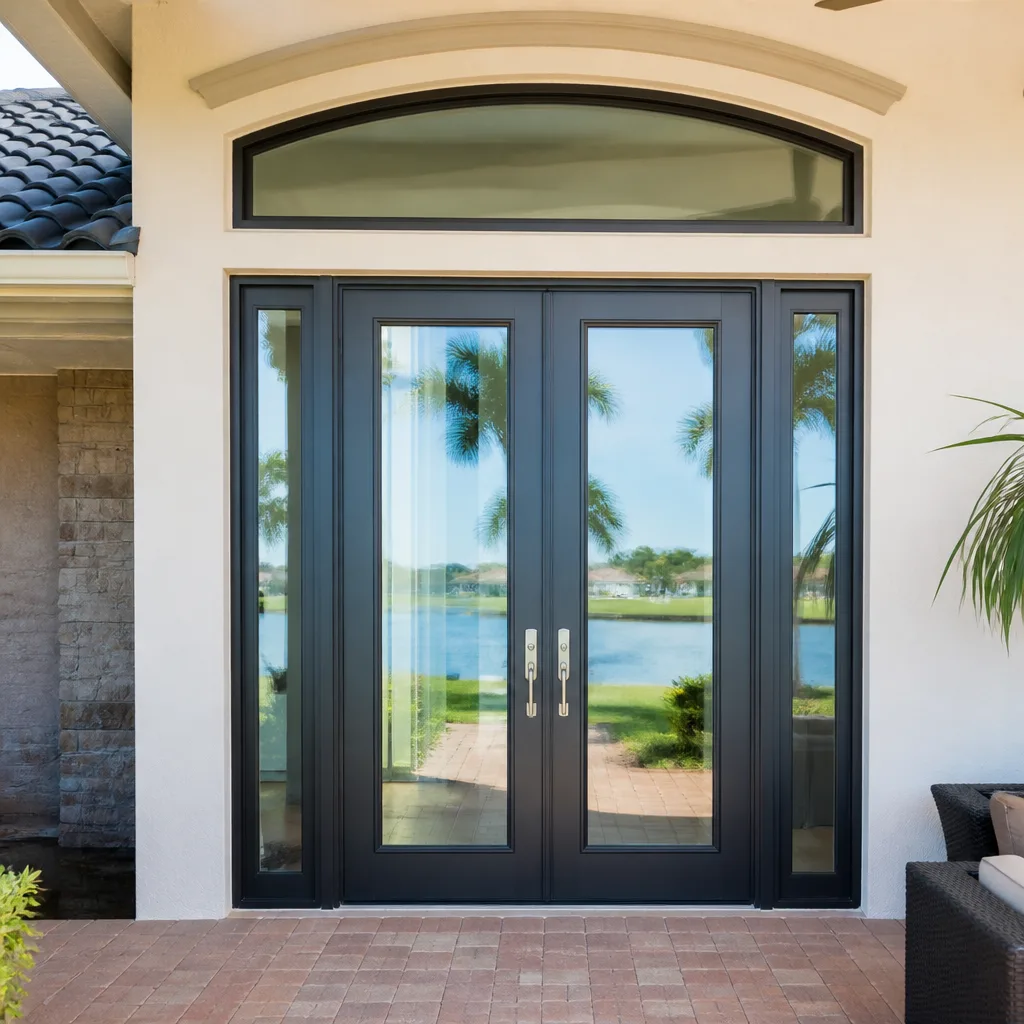
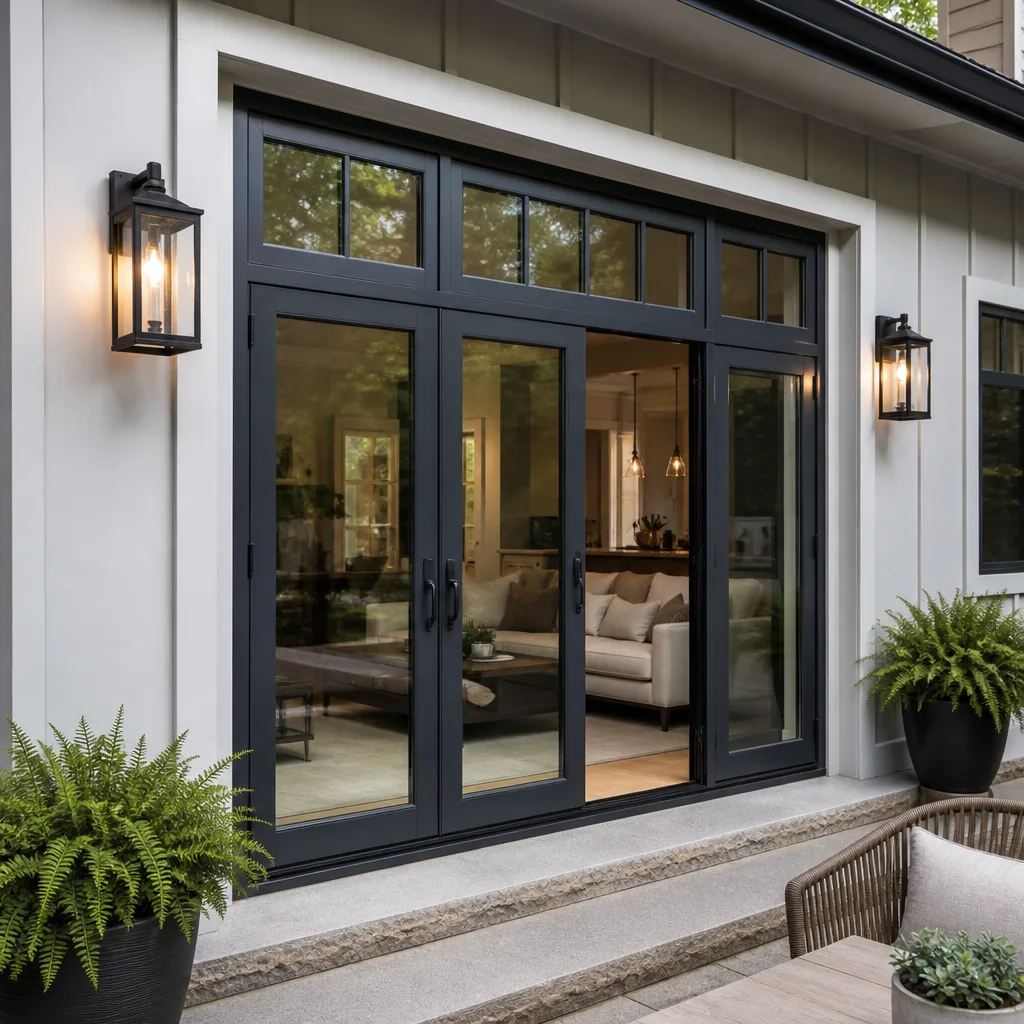
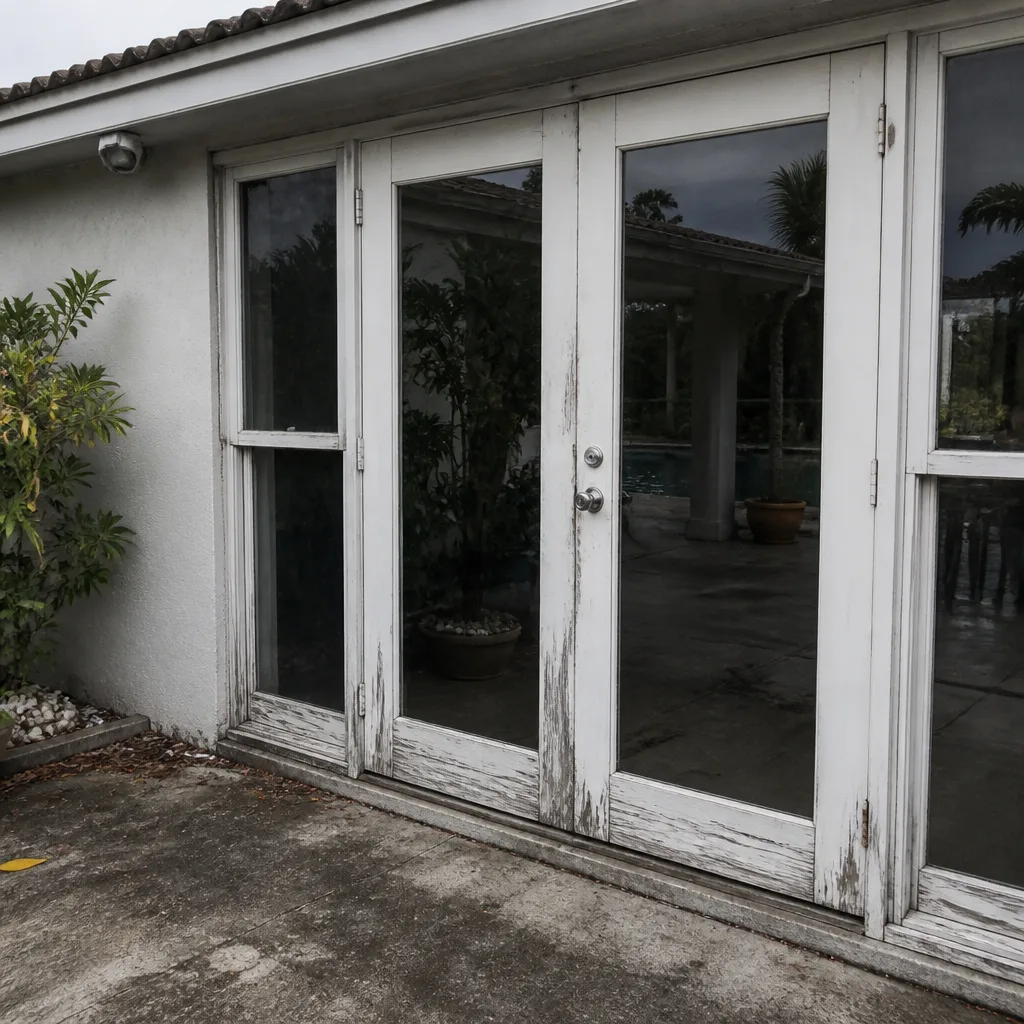 Before
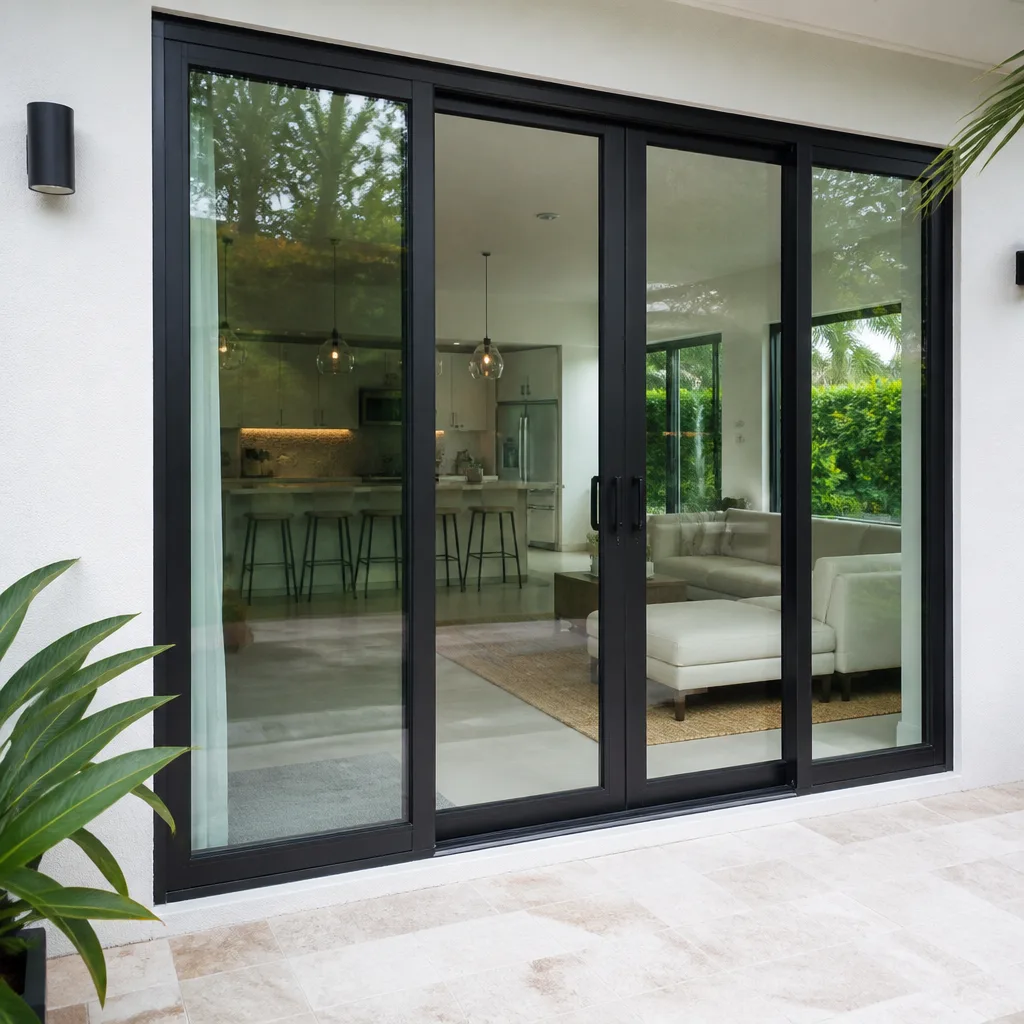 After
After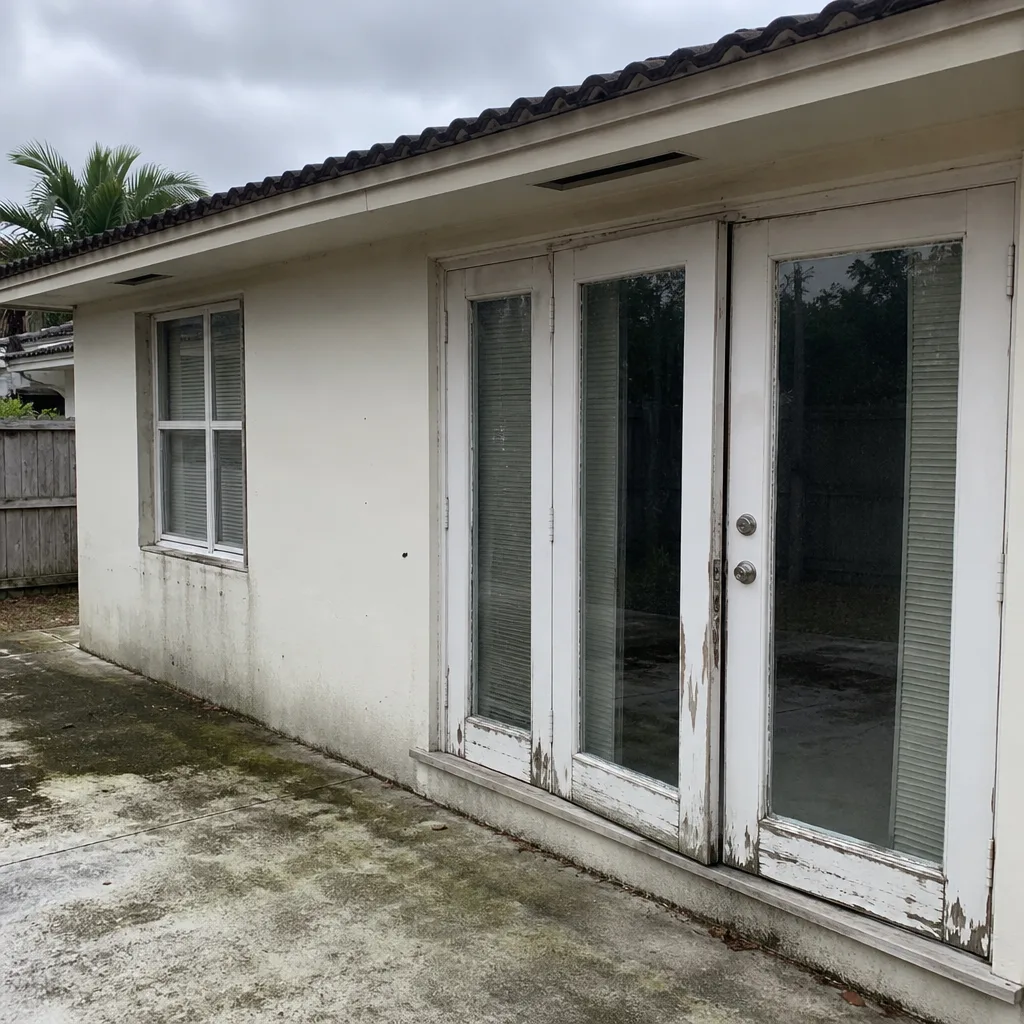 Before
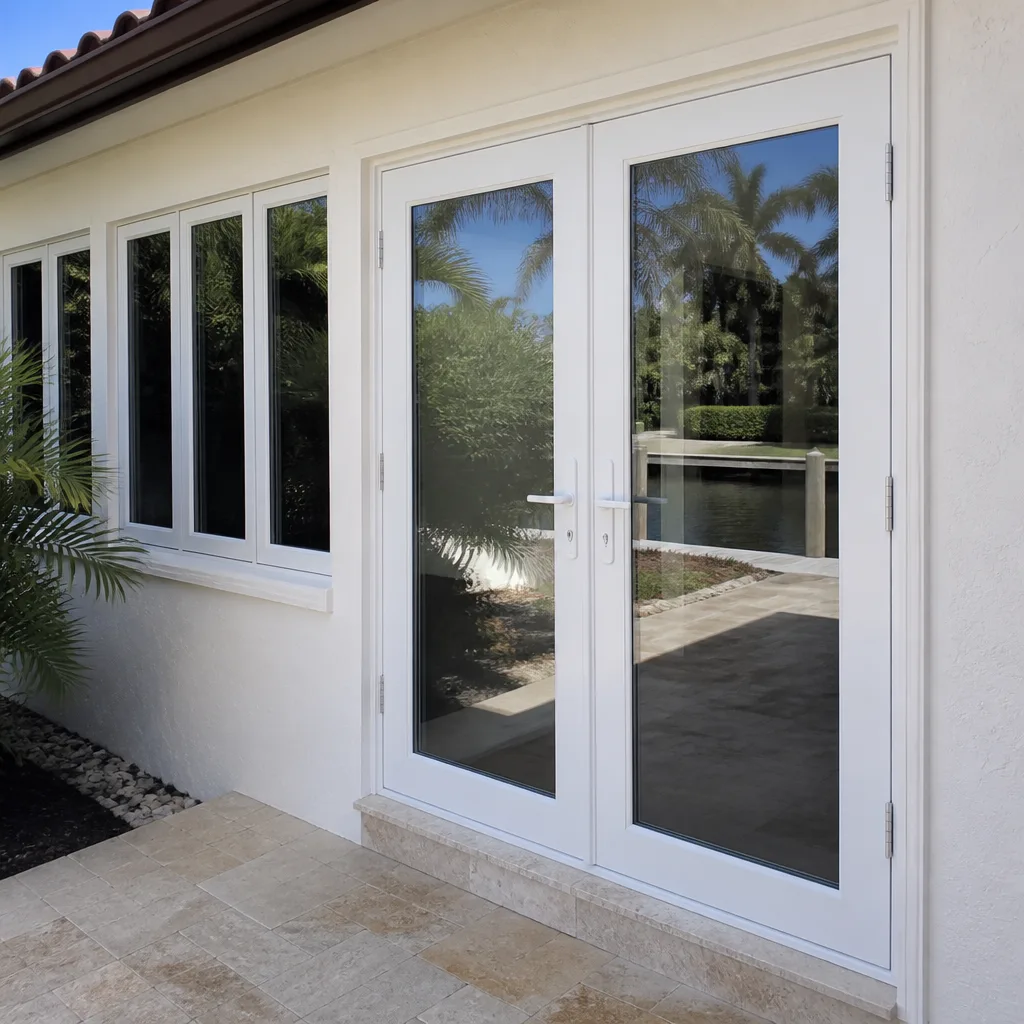 After
After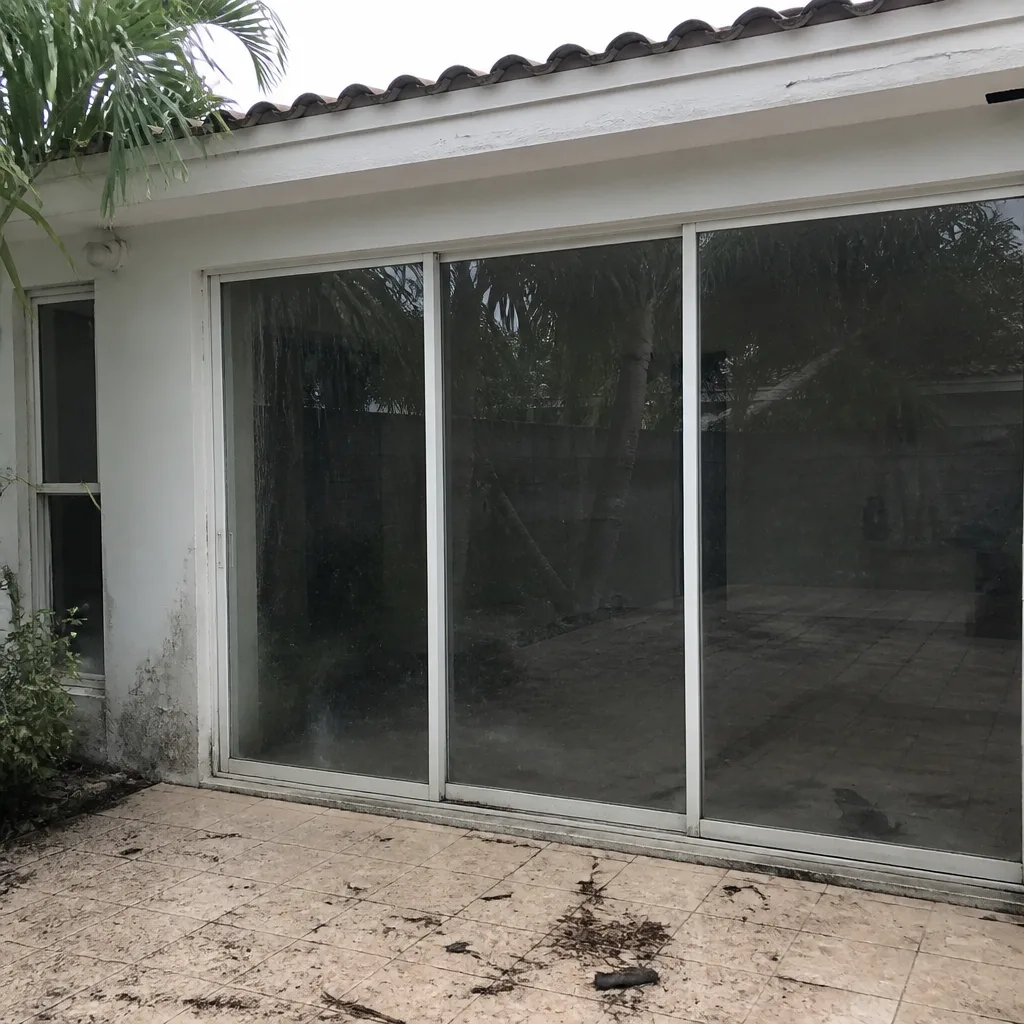 Before
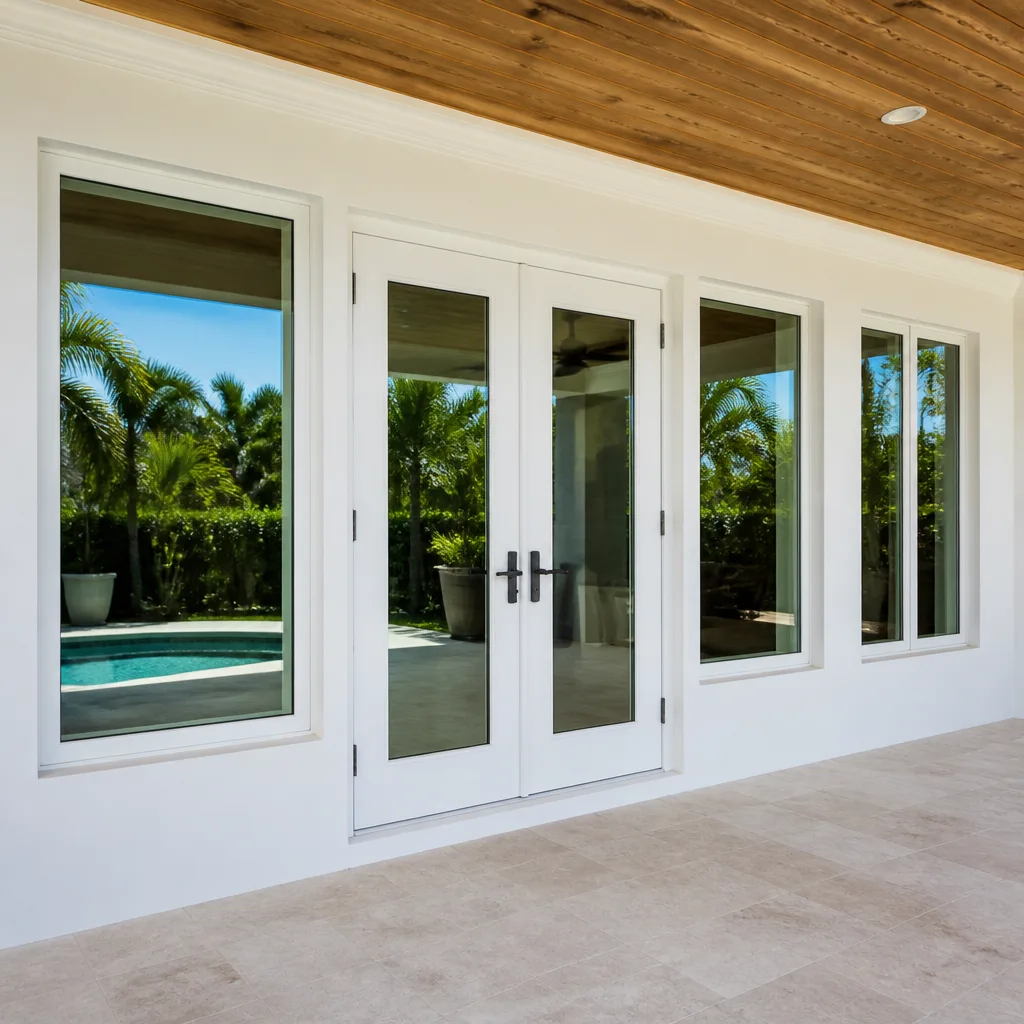 After
AfterWindows & Doors Cost Breakdown: The Miami Homeowner’s Reference for 2026
Most Miami homeowners shopping replacement windows fixate on the product price - the per-unit cost of the window itself. That number is usually the least negotiable part of the bid, because manufacturers set it and authorized dealers quote from the same sheets. The forty percent spread between two “identical” Miami window quotes rarely lives in the glass. It lives in the line items most bids bury or leave out entirely: flashing method, stucco repair, permit handling fees, disposal, and whether the warranty layers get registered before the installer’s truck leaves the driveway. This complete guide to windows and doors in Miami maps every cost component a 2026 Miami window or door replacement quote should contain, line by line, so two bids can be compared on what they actually include instead of their bottom-line total.
Quick Answer
A full-frame window replacement in Miami-Dade County in 2026 typically runs $900-$2,400 per opening all-in, while a retrofit (insert) installation runs $650-$1,500 per opening. A standard exterior door replacement (non-impact) runs $1,800-$4,500 installed, and an impact-rated door runs $3,500-$9,000. The total spread depends on frame material, impact rating, brand tier, installation method, and how completely the bid handles permits, flashing, trim repair, and warranty registration - which is where most of the legitimate variation lives.
Table of Contents
- The Line-Item Breakdown: What a Complete Miami Window Quote Contains
- Why Impact Window Pricing Varies So Much Within the Same Performance Category
- Miami-Dade Permit Fees: How They’re Calculated and Where Re-Inspection Costs Come From
- Wind-Mitigation Inspections and the Insurance Payback Math
- Full-Frame Replacement vs. Retrofit: The Real Cost Difference
- Door Replacement Costs in Miami: Entry, Patio, and Impact
- Frame and Glass Options: What Adds Cost, What Adds Longevity
- Questions to Ask Before You Accept a Quote
1. The Line-Item Breakdown: What a Complete Miami Window Quote Contains
A window replacement quote in Miami is either fully itemized or it is hiding something. Markets with high permitting requirements and stucco exteriors - which describes nearly every Miami-Dade home built before 2000 - force legitimate contractors to account for costs that a flyer-taped-to-the-mailbox bid will quietly omit and make up later as change orders. Here is the anatomy of a complete quote, with 2026 Miami market ranges:
- Product (window unit): $300-$1,200 per window for standard sizes, depending on frame material, glass package, and impact rating. Aluminum single-hung sits at the lower end; thermally broken aluminum or vinyl with high-end glass sits higher.
- Installation labor: $200-$600 per opening, depending on floor level, access, and whether the window is a standard size or custom. Second-story work adds access costs.
- Flashing and waterproofing materials: $30-$120 per opening. Miami’s wet-season rainfall and wind-driven rain make this the line item you never want to see missing. On a full-frame job, the opening gets flashed at the sill, jambs, and head with a peel-and-stick or liquid-applied membrane before the window goes in. Skipping it voids manufacturer water-performance warranties.
- Stucco or interior trim repair: $80-$300 per opening for full-frame work. Removing an old frame in a CBS (concrete block and stucco) home tears the exterior finish, and the new window’s slightly different dimensions usually mean patching inside as well. A quote that doesn’t include this will bill it later.
- Permit fees and processing: $150-$500 per project, depending on scope and the number of openings. More detail in the permit section below.
- Disposal and haul-away: $50-$200 per project for old windows and construction debris. Old aluminum frames have scrap value, which conscientious crews discount against the haul fee.
- Warranty registration: should be $0 on a legitimate quote, but it is the most commonly missing item. Manufacturer warranties only activate when the dealer registers the product with the serial numbers and the installation details. A contractor who forgets this step has sold you a window with no manufacturer backing.
- Wind-mitigation inspection (optional but smart): $75-$150, covered in the insurance section below.
When we sit down with a Miami homeowner, we put every one of these line items on paper, side by side across manufacturer lines. That practice is a direct result of how this company was built - TruePane Windows & Doors home was founded by Dale Kessler on a simple rule: if the pane is not true, the job is not done. A quote that is not true to the actual cost of the job fails the same test.
2. Why Impact Window Pricing Varies So Much Within the Same Performance Category
Two windows can both carry the Miami-Dade County Notice of Acceptance - the NOA stamp that says the product passed large-missile impact testing - and still be priced $500 apart per opening. That confuses homeowners, understandably. The NOA certifies performance, but it does not standardize materials. Here is what actually drives the spread:
- Glass thickness and make-up: An impact window is a laminated glass sandwich - two panes bonded to an interlayer. The thickness of that interlayer, the glass lites themselves, and whether the unit carries a Low-E coating all change the price. A 5/16-inch impact laminate with a basic interlayer costs less than a 9/16-inch unit with a high-strength interlayer and dual Low-E coatings. Both pass the test. They do not perform identically in glare, heat rejection, or sound attenuation.
- Frame material and construction: Builders-grade aluminum frames that pass impact testing are manufactured with thinner wall profiles and basic corner joinery. A marine-grade aluminum frame with a thermally broken profile, reinforced corners, and stainless steel rollers costs more to make and more to buy. In a salt-air city like Miami, frame material determines whether the window still operates smoothly in year fifteen.
- Hardware grade: Locks, hinges, and rollers are where manufacturers hit price points. A basic single-point lock meets code. A multi-point locking system with zinc die-cast hardware costs $80-$200 more per window and is what you want on ground-floor openings in neighborhoods off Biscayne Boulevard.
- Brand authorization tier: A manufacturer like PGT or Andersen sells through authorized dealers who receive tiered pricing and have to meet installation training standards. The big-box store that sells the “same” product line typically sells a stripped configuration with fewer glass and hardware options. The price difference sometimes reflects an actual product difference, not just markup.
We carry more than a dozen manufacturer lines and quote them side by side on paper. That is not a sales tactic; it is the only way a homeowner can see that a $900 PGT window and a $1,400 PGT window are not the same window wearing different price tags. If a bid does not list glass thickness and frame material by name, it is not comparable to anything. See our Impact Windows in Miami page for the full breakdown of product categories and code requirements.
3. Miami-Dade Permit Fees: How They’re Calculated and Where Re-Inspection Costs Come From
Miami-Dade County does not issue one flat window permit price. Permit fees scale with the scope of work and the number of openings, and they can run from about $150 on a small retrofit job to more than $500 on a full-house replacement. The county’s fee schedule includes a base permit fee, a plan review fee, and a records-keeping surcharge, all calculated from the project valuation stated on the permit application. Here is the part most homeowners never hear about: the re-inspection fee structure.
Every Miami-Dade window replacement must pass a county inspection. If the installation fails first inspection - which happens on roughly one in six window jobs countywide, based on the volume of re-inspection filings we see in Window Installation in Miami work - the contractor schedules a re-inspection. Miami-Dade charges a re-inspection fee of $74 minimum on standard permits, and the clock resets on scheduling, which can add a week or more to the project. A contractor who does sloppy work doesn’t just cost you the re-inspection fee. They cost you time with a hole or a temporary window in the wall during hurricane season.
There is no avoiding the permit. Unpermitted window work in Miami-Dade is a disclosure problem when you sell the house, an insurance claim problem if the window fails in a storm, and a code enforcement problem if a neighbor complains. Legitimate contractors price the permit into the quote at cost. If a bid says “permits not included” on a full-frame replacement, factor in $300-$600 and ask why the contractor did not include it up front.
4. Wind-Mitigation Inspections and the Insurance Payback Math
A wind-mitigation inspection is a $75-$150 visit from a Florida-licensed inspector who documents the specific wind-performance features of your home - roof-to-wall attachment, roof decking nail pattern, and the presence and rating of impact protection on openings. The inspector files a Uniform Mitigation Verification Form (Form 1802) that gets submitted to your insurance carrier. In Miami-Dade, where windstorm premiums are among the highest in the state, the resulting premium reduction can be significant, but it is not automatic and not equal for everyone.
Here is how to calculate a realistic payback period for a full impact window replacement:
- Get a premium quote for your current configuration. Ask your agent what you are paying now, specifically the windstorm portion of the policy.
- Get a hypothetical quote with full impact-rated openings. Your agent can model this using the Form 1802 criteria for a home with impact glazing on all windows and doors.
- Subtract. In Miami, premium reductions for full impact protection vary widely by carrier, but we have seen homeowners save $1,200-$3,800 annually on a 2,500-square-foot home, depending on the construction date, roof condition, and policy type.
- Divide the project cost by the annual savings. A $30,000 full-house impact window replacement saving $2,500 annually breaks even in 12 years, before you account for energy savings, resale value, and storm protection.
Two crucial notes. First, submit the wind-mitigation form. An inspection that never reaches the carrier produces no savings. Second, run this math before you choose between a retrofit and a full-frame replacement, because the installation method affects the NOA and the insurance reduction can be the deciding financial factor. We walk every Miami customer through this calculation because a window purchase is a ten-to-thirty-year decision, and the insurance line on your annual budget is part of the real price.
5. Full-Frame Replacement vs. Retrofit: The Real Cost Difference
Miami homes get one of two window installation methods, and the choice between them changes the total project cost by 30-50%. Neither is inherently better. Each is appropriate in specific situations, and the lower-cost method carries obligations some homeowners don’t realize they are accepting.
Retrofit (insert) installation: The new window is installed inside the existing frame. The old sashes and hardware come out, but the original frame stays in the opening. Retrofit works when the existing frames are square, structurally sound, and free of concealed rot or termite damage. The advantages: faster (one or two days for a whole house), less invasive, and $300-$700 cheaper per opening because there is no stucco repair, no interior trim work, and less labor. The limitation: the glass area shrinks slightly because the new window fits inside the old frame, and you are not addressing any water damage hiding behind the original frame’s flashing.
Full-frame replacement: Everything comes out to the rough opening - frame, trim, flashing, the works. The installer then flashes the rough opening correctly with new material, sets the new window, and repairs the stucco and interior trim. This is the correct method when the existing frame has leaked, when the wood is soft, when the homeowner wants a different window configuration (say, replacing a fixed pane with a casement), or when the home needs a true water-management reset. In a CBS home with original 1960s aluminum frames, the stucco is usually cracked around the openings anyway, and full-frame is the honest repair.
What the lower retrofit price does not include is invisible: the water remediation that may be needed behind a frame that has been seeping into the wall for a decade. We pull out old frames in Coral Gables and Kendall and find sill rot behind them often enough that we show every homeowner the opening before the new window goes in. That is not an upsell opportunity. That is disclosure. For more on method selection, read Window Replacement in Miami.
6. Door Replacement Costs in Miami: Entry, Patio, and Impact
Doors are priced differently from windows because they are ridden hard - slammed by kids, warped by humidity, hammered by afternoon thunderstorms on the east side of the house. A door that binds in July is one of the most common calls we get, and the fix is usually not the hinges. It is the frame settlement or the humidity-driven warp that a proper install with correct clearance planning would have anticipated. Here are realistic Miami price bands for 2026:
- Standard exterior entry door (steel or fiberglass, non-impact): $1,800-$4,500 installed. Fiberglass runs higher than steel but resists salt-air corrosion better. Brands like Therma-Tru dominate this range, and the spread is mostly hardware grade and glass inserts.
- Impact-rated entry door: $3,500-$9,000 installed. Miami-Dade NOA-rated doors cost more because the slab, the frame, the hardware, and the glazing package all must pass as a unit. You cannot buy an impact slab and hang it in a standard frame.
- Sliding glass patio door (standard aluminum): $2,500-$6,000 installed. Larger openings with multi-panel sliders run higher.
- Impact sliding glass door: $5,000-$12,000 installed. The glass package is the driver. A 12-foot impact slider carries roughly $4,000 in laminated glass alone.
- French door (pair): $3,500-$8,500 non-impact, $6,500-$14,000 impact-rated.
Door quotes should itemize the same supporting costs as window quotes: threshold replacement, interior trim, stucco touch-up, and the threshold-to-deck weatherproofing that keeps Miami’s rainy-season water on the outside. A door quote that is just a door price with no threshold line item is a door that will rot at the sill in five years.
7. Frame and Glass Options: What Adds Cost, What Adds Longevity
Every window manufacturer in 2026 sells across multiple frame and glass tiers, and the upgrade path from the builder-grade product to the product you actually want follows a predictable pattern. The decision is never just about initial cost. In Miami’s climate - salt air, high humidity, daily thermal cycling, and the annual December-to-April dry season that shrinks wood trim - material choice determines whether a window still works properly in year fifteen.
Frame materials, from lowest to highest initial cost:
- Builders-grade aluminum: Starting around $300 per window. Thin profiles, no thermal break, basic hardware. Passes code. Conductive in summer - the frame itself transmits heat into the house. The standard product in 1960s-1980s Miami homes because it was cheap and available, which is why so many are being replaced now.
- Vinyl: $350-$700 per window. Better thermal performance than basic aluminum, resistant to salt air, available in many configurations. Vinyl’s weakness in Miami is sun exposure - dark-colored vinyl frames absorb heat and can warp over decades, which is why white and tan dominate the local market.
- Thermally broken aluminum: $500-$900 per window. Aluminum with a continuous thermal break between the interior and exterior frame profiles. The marine-grade versions used in coastal buildings cost more but hold up to salt air better than anything except fiberglass. This is a common Miami upgrade for waterfront properties.
- Wood-clad (exterior aluminum, interior wood): $800-$1,600 per window. The most expensive common option, chosen for interior appearance rather than Miami weather performance. The wood interior requires climate-stable humidity, which means running AC consistently through the summer - fine in an occupied home, risky in a seasonal one.
Glass upgrades that move the price:
- Low-E coating: Adds $40-$90 per window. Rejects solar heat gain, which matters in a city where the sun hits windows for six-plus hours a day. In our experience, Low-E is the single highest-value glass upgrade for Miami cooling bills.
- Argon or krypton gas fill: Adds $30-$70 per window. Improves insulation. Less effective in a climate where windows are closed for cooling most of the year than it is up north, but it also reduces condensation, which matters in Miami’s humid season.
- Impact lamination: Adds $150-$500 per window, as covered in the impact section. The upgrade with the most insurance premium consequence.
- Acoustic lamination: Adds $100-$300 per window. For homes under the MIA flight path or on major corridors like US-1, this is the difference between a bedroom that is quiet at night and one that is not.
8. Questions to Ask Before You Accept a Quote
You don’t need to be a glazier to take apart a bad quote. You need a list of questions that force the contractor to commit to specifics. A contractor who will not answer these in writing is not the contractor you want touching your openings in a hurricane zone:
- Are the manufacturer warranties registered in writing, and will I receive the registration confirmation before you leave? This is the single most commonly skipped step in the entire Miami window industry. If the answer is “we’ll take care of it later,” the warranty is not real.
- Is the permit fee included, and is it at cost or marked up? Legitimate contractors pass the fee through at cost. A markup on a permit is a flag.
- What method - full-frame or retrofit - and why? The answer should reference your existing frame condition, visible or suspected water damage, and the condition of the stucco. A contractor who defaults to retrofit without looking at the frames is optimizing for speed.
- Does the quote include flashing, stucco repair, interior trim, and disposal? If any of those lines is absent on a full-frame bid, the quote is not complete.
- What is the glass thickness, the Low-E coating, and the frame material by exact name? Not “impact glass” - the actual configuration. Compare like to like.
- What is the workmanship warranty, and what does it cover for how long? Manufacturer warranties cover the product. Installation defects are on the installer. Know both.
- Who is doing the installation - employees or subcontractors? An authorized dealer with trained, background-checked employees is a different level of accountability than a company that subs the work out.
At TruePane, every one of these questions is answered on the first visit, in writing, because that is what TruePane Windows & Doors home was built to do differently - quote manufacturer lines side by side on paper, register both warranty layers before the truck leaves, and stand behind the work with a 90-Day Done Right Promise. The Keystone Standard is not a slogan. It is the operating rule: both warranty layers in writing, durations stated, no arguing.
Common Mistakes to Avoid
- Comparing quotes by bottom-line total. A $12,000 quote and a $16,000 quote for the same six openings might be the same actual work if the lower one is missing flashing, stucco repair, and permits. Compare line items, not totals.
- Skipping the permit to save $300. Unpermitted window work becomes a problem when you sell, when you insure, and when the window fails. The savings is never worth the liability.
- Buying “impact rated” without checking the NOA. Miami-Dade-specific Notice of Acceptance is the only certification that matters locally. A product tested to Miami-Dade standards carries the NOA number. Ask for it.
- Ignoring the frame condition during a retrofit quote. A retrofit over a water-damaged frame is a new window in a rotting hole. If the frame has leaked, open it up.
- Accepting a quote without workmanship warranty details. A manufacturer warranty only covers the product. If the installer sets the window out of square, that is not a manufacturer problem. Know your installer’s workmanship terms.
- Choosing the cheapest glass package in a full-sun orientation. A west-facing window without Low-E in a Miami summer is a heat radiator. The $50 savings per window will be spent on cooling in the first year.
- Forgetting to submit the wind-mitigation inspection. An inspection that sits in a drawer produces no premium reduction. File it.
When to Call a Professional
Window and door installation in Miami-Dade is not a DIY project, and it is not a handyman-grade task. Impact-rated products require certified installation to maintain their NOA status. Flashing errors leak into wall cavities that don’t dry out in Miami’s humidity, and the rot progresses silently behind stucco. If your existing windows are fogged, hard to operate, leaking during afternoon storms, or if your doors bind with the seasons, these warning signs mean the time to get a professional assessment is before the problem migrates into the framing. TruePane Windows & Doors offers free estimates in Miami - call (561) 489-4036 to schedule an assessment. We measure every opening twice, quote manufacturer lines side by side on paper, and register both warranty layers before the truck leaves your driveway.
Frequently Asked Questions
A complete full-frame window replacement in Miami-Dade runs $900-$2,400 per opening in 2026, including product, labor, flashing, stucco repair, permits, and disposal. A retrofit runs $650-$1,500 per opening. The spread depends on frame material, impact rating, and brand tier. Call (561) 489-4036 for an itemized quote on your home - estimates are free, and every line item is stated in writing.
A standard non-impact entry door replacement in Miami runs $1,800-$4,500 installed, while an impact-rated entry door runs $3,500-$9,000. The impact price includes the NOA-rated frame, slab, hardware, and glazing as a tested unit, which is why it cannot be priced as a slab-only purchase. Call (561) 489-4036 for a door quote specific to your opening size and exposure.
Yes, Miami-Dade County requires a permit for window and door replacement work, including retrofits. Permit fees run roughly $150-$500 depending on scope and project valuation, and failed inspections carry a minimum $74 re-inspection fee. A legitimate contractor includes the permit in the quote at cost and handles the filing.
A wind-mitigation inspection costs $75-$150 and can reduce windstorm premiums in Miami by $1,200-$3,800 annually for a fully protected home, depending on the carrier and the home’s other wind features. Submit the Form 1802 to your insurer; the savings only apply once the form is filed.
A full-frame replacement removes the old window down to the rough opening, replaces the flashing, and requires stucco and interior trim repair. A retrofit inserts the new window into the existing frame at 30-50% lower cost but does not address any hidden water damage in the original frame. The right method depends on your frame condition, which a professional assessment will determine.
At $2,000 per opening for a full-frame replacement, a $12,000 quote for six windows sits at the upper end of the standard range, but it may be completely fair if it includes impact-rated units, thermally broken frames, Low-E glass, stucco repair, permits, and warranty registration. Compare the quote line by line - not by total - before judging it. Call (561) 489-4036 and we will walk the line items with you.
The Bottom Line
Window and door pricing in Miami is legitimate in its range, but the range is wide because quotes include different things. The product cost is the least variable line item. The difference between a $900 window and a $1,400 window is usually real - glass thickness, frame material, hardware grade - and the difference between a $12,000 project and a $16,000 project is usually in the labor, flashing, permits, stucco repair, disposal, and warranty registration that the lower quote omitted. Insist on itemized quotes. Ask who installs, what method, and whether the warranties are registered in writing before the truck leaves. And remember what this company was founded on by Dale Kessler: if the pane is not true, the job is not done.
Written by Dale Kessler, Owner at TruePane Windows & Doors, serving Miami since 2008.
Six Reasons Homeowners Choose TruePane Windows & Doors
Impact systems engineered to design pressures up to +/-100, matched to your wind zone - your openings hold when the storm arrives.
Low-E insulated impact glass from our manufacturer lines commonly cuts monthly cooling bills 20-30%.
Laminated impact glass shuts out up to 40% of outside noise - traffic, neighbors, weather.
Monitoring services run $30-90 a month. Laminated impact glass resists forced entry around the clock, with no subscription.
Florida homeowners average around 25% savings on the windstorm portion of their policy after protecting every opening - some homes qualify for more.
A full impact package upgrades curb appeal, buyer confidence and appraised value in one project.