
Last updated August 28, 2026
Free in-home measure and quote - PGT, CGI and CWS impact lines compared on your actual openings, style by style


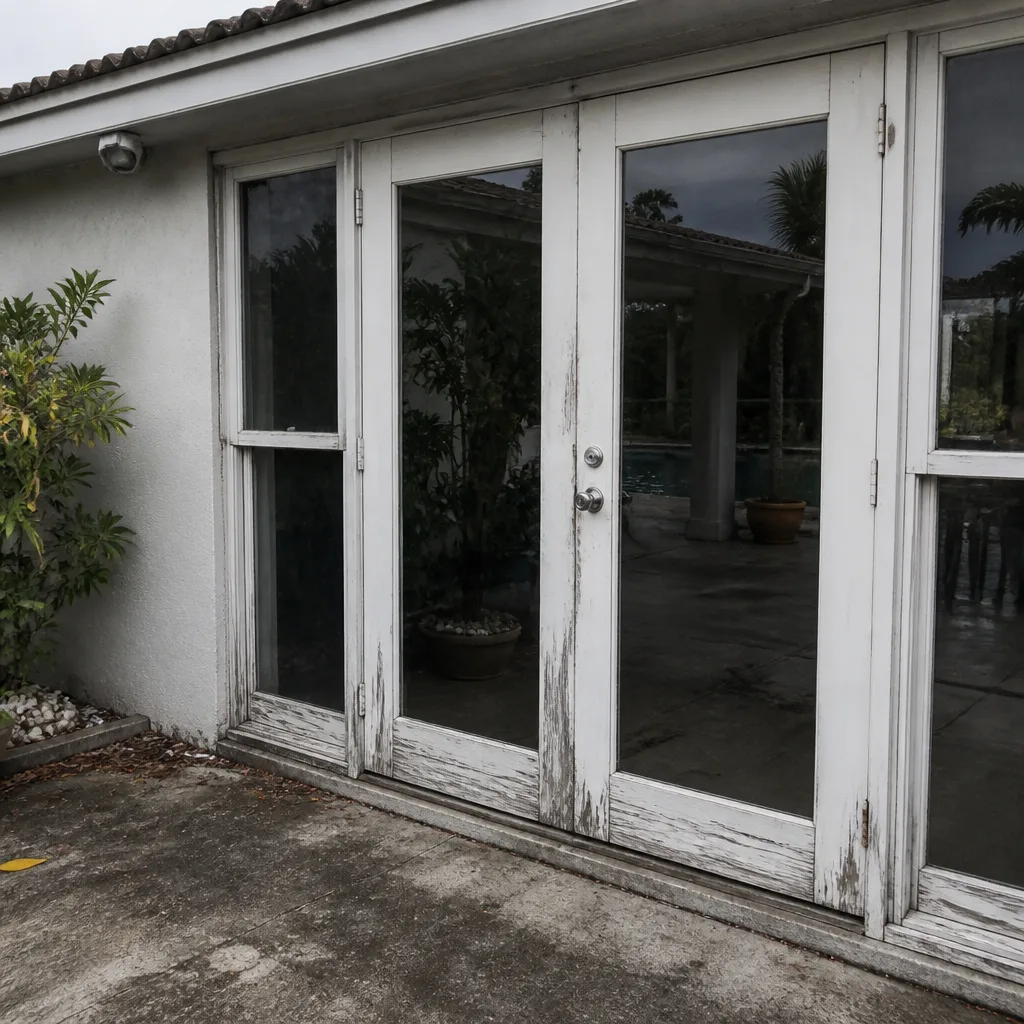 Before
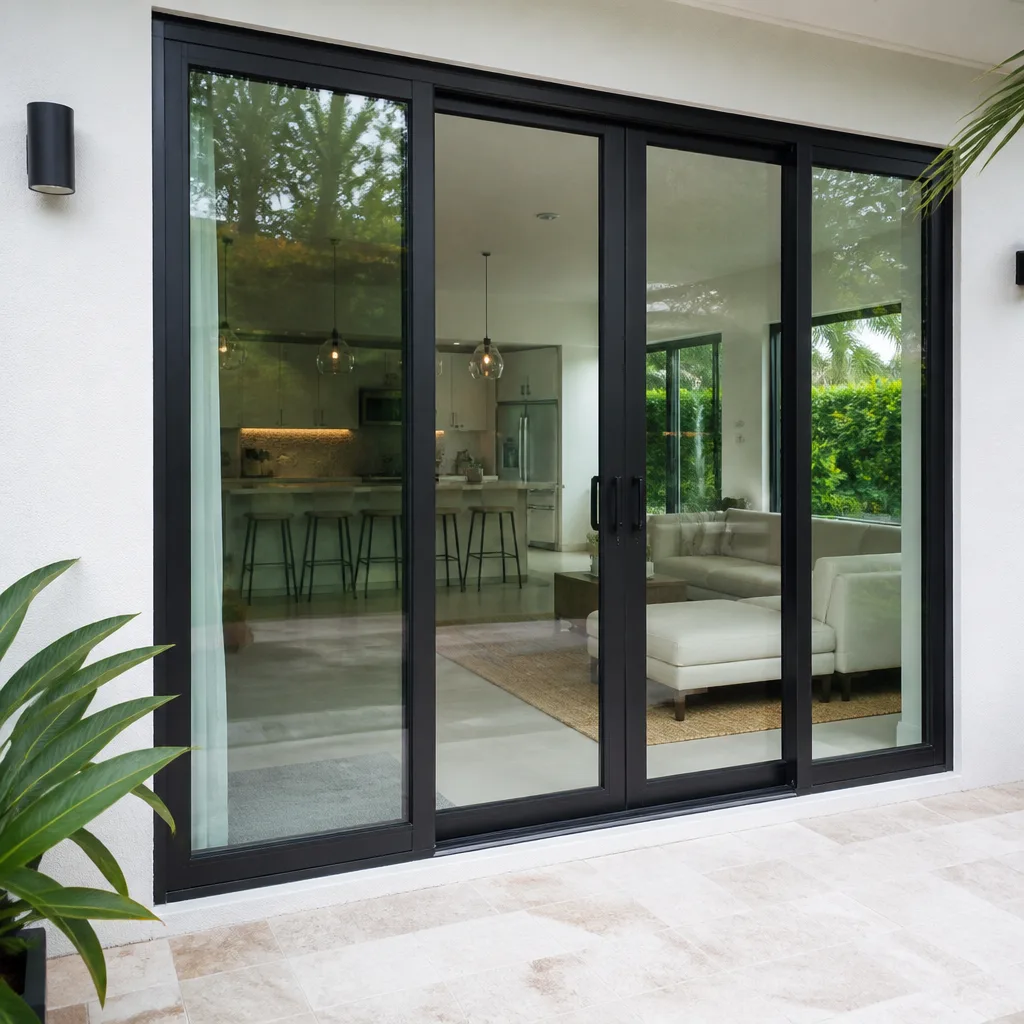 After
After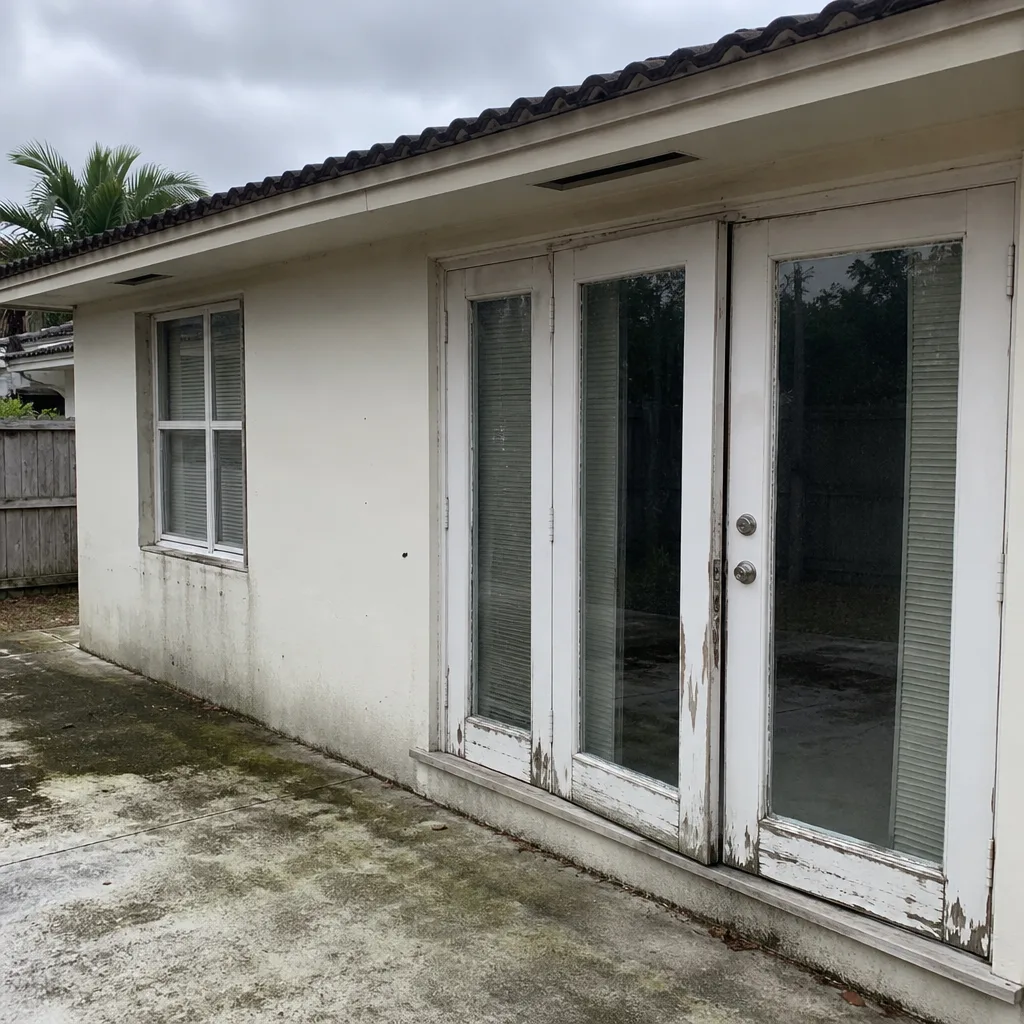 Before
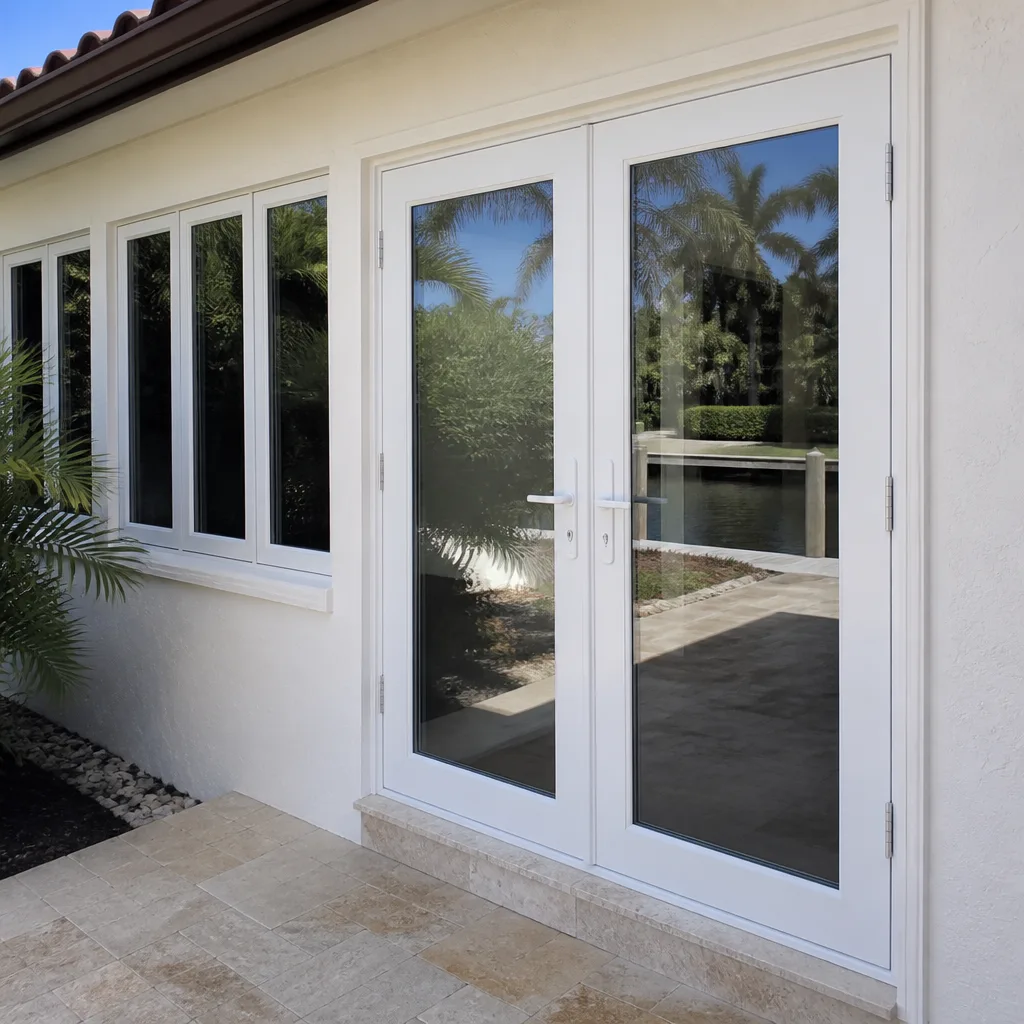 After
After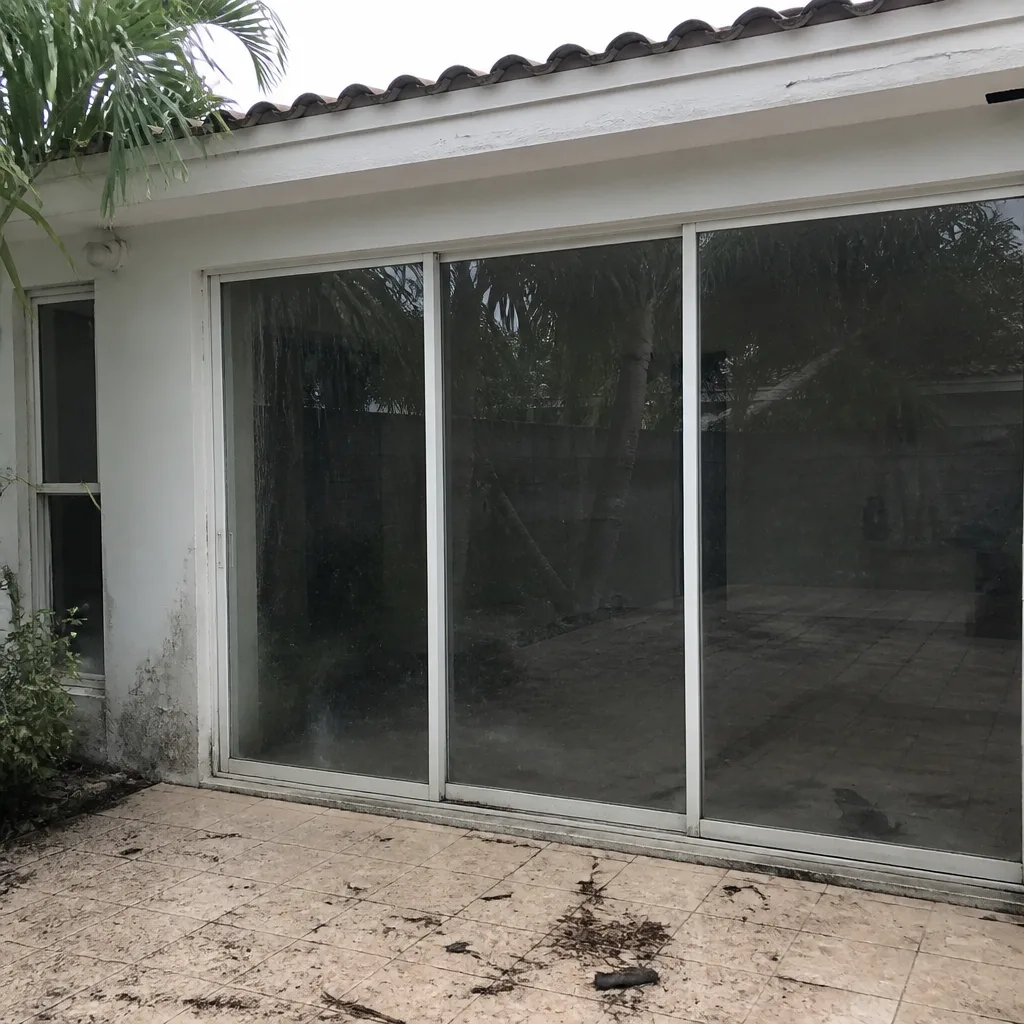 Before
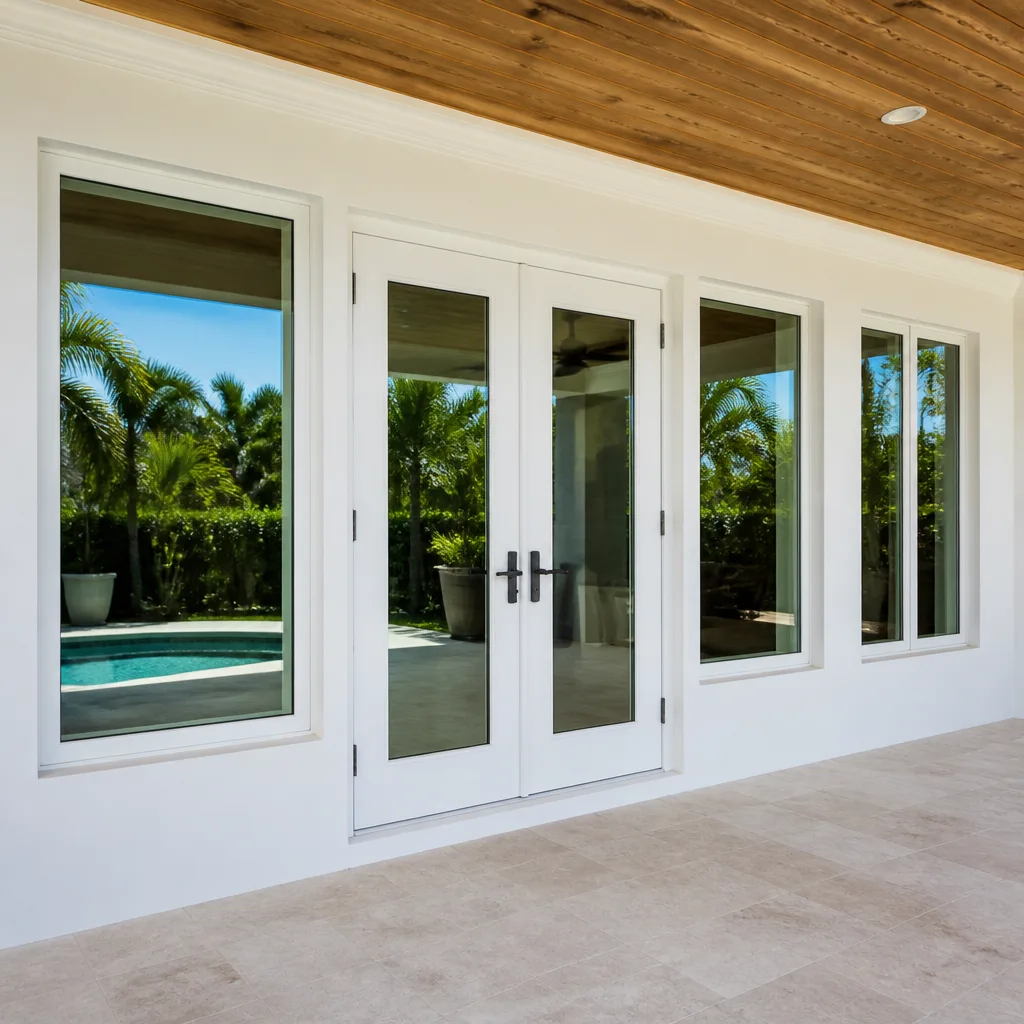 After
AfterSeasonal Windows & Doors Care for Miami: Year-Round Homeowner’s Guide
Here is a number most Miami homeowners never hear: the months of November through January account for more discovered window and door damage than any other stretch of the year. Not because the damage happens then. Because that is when it finally shows. Hurricane season’s wind-driven rain works its way into seals, weep systems, and frame joints over five months, and the cooler, drier air that follows makes swelling subside, gaps appear, and fogged glass become obvious. The inspection window is narrow, and most people miss it because they are working from a maintenance calendar written for Atlanta or Charlotte. This guide is written for Miami specifically, timed to the two seasons that actually matter here: hurricane season and the dry season that follows it. You will learn what to check before June, what to document after a storm, what to clean during the dry months, and how to keep a maintenance log that holds up when a warranty claim or insurance adjuster asks for proof.
Quick Answer
Seasonal window and door care in Miami means timing maintenance to two real seasons: a pre-hurricane-season inspection in May focused on hardware, seals, and frame condition, and a post-storm documentation and repair window from November through January when cumulative damage becomes visible. The dry season (November-April) is for cleaning and UV/salt-air maintenance. The wet season (June-October) is for monitoring weep systems and drainage. Most Miami homeowners skip the post-season inspection entirely, and that is the single most expensive oversight in coastal home maintenance - one that our Windows & Doors Warning Signs: A Miami Homeowner’s Reference Guide can help you avoid.
Table of Contents
- The May Pre-Season Checklist: Six Weeks Before Hurricane Season
- Post-Storm Inspection Protocol: Document Before You Clean
- Dry-Season Tasks (November-April): UV, Salt Air, and Coating Safety
- Weep Systems, Threshold Drainage, and What Standing Water Tells You
- The Annual Photo Log: Your Maintenance History in Five Minutes a Year
- Warranty Protection and The Keystone Standard
- Common Mistakes to Avoid
- When to Call a Professional
- Frequently Asked Questions
- The Bottom Line
The May Pre-Season Checklist: Six Weeks Before Hurricane Season
Atlantic hurricane season opens June 1. Six weeks before that, Miami contractors still have schedule availability. By mid-July, the same contractor is booked three weeks out. That scheduling reality alone is reason to treat May as your inspection month. But the more important reason is structural: the hardware, seals, and frames that will carry your house through a named storm need to be verified before the wind arrives, not after.
Here is the checklist we recommend, in order of importance:
- Test every locking point. A window or door with multiple locks should engage every single one. On a sliding door, the lock should seat fully without lifting or forcing the panel. If a lock binds, the frame has likely shifted slightly since installation, and that shift is an invitation for wind-driven water.
- Inspect weatherstripping on all operable sashes and doors. Look for compression set - the permanent flattening that happens when rubber or foam gaskets lose their rebound. In Miami’s heat, weatherstripping degrades faster than any other component. Run your hand along the full perimeter; any gap you can feel will admit water under sustained wind pressure.
- Check for frame separation at corners and miter joints. Hairline cracks at window corners are common in Miami because aluminum and vinyl expand and contract through humid summers and drier winters. A crack that opens in May will be a leak by September.
- Verify weep hole function. Weep holes are the small drainage openings at the bottom exterior of window frames. They clog with salt residue, insect nests, and debris. A clogged weep hole sends rainwater into the frame channel and, eventually, into the house.
- Test operation of every operable window and door. If a window requires force to open or a door drags at the threshold, document it now. That binding is often a sign of frame movement or roller wear that will only worsen under storm loading.
Most of these checks take under an hour for an average Miami home. If you find anything that concerns you, get a professional assessment before the first named storm forms. A small seal replacement in May is a fraction of the cost of interior water mitigation after a hurricane. For more on what a proper installation should include, see our guide on Window Installation in Miami.
Post-Storm Inspection Protocol: Document Before You Clean
After a named storm or tropical system passes, the instinct is to clean up immediately. Sweep the debris, hose down the windows, wipe the sills. Resist that instinct until you have documented what you see. Insurance adjusters and warranty claims both depend on evidence captured before any cleanup changes the condition.
Here is the protocol we recommend:
- Photograph every window and door from the exterior, full frame, at eye level. Use your phone camera. Capture the frame corners, sill edges, and any visible water staining. Do this before wiping anything down.
- Photograph the interior of each opening. Focus on the area where the frame meets the drywall. Any discoloration, bubbling paint, or soft texture is evidence of water intrusion.
- Note the date, the storm name, and your location in each photo’s metadata or in a written note. This seems excessive until you are trying to reconstruct which storm caused which damage three years later.
- Check for fogged glass. Impact glass will not shatter easily, but a failed seal will show as persistent fog or condensation between the panes. This is a warranty issue, not a storm issue, but it often becomes visible after storms because the pressure changes expose weak seals.
- Test every lock and latch before adjusting anything. If a door no longer latches cleanly after a storm, that is evidence of frame deflection. Document it before you make any adjustments.
- Call your insurance carrier only after you have your photo set complete. An adjuster will ask what you saw and when. Your photos answer both questions with precision.
In our experience across Miami, the homeowners with a complete photo log recover faster from storm claims than those who cleaned first and documented later. The difference is not marginal. It is thousands of dollars in some cases. If you suspect impact-rated windows or doors were compromised, this is also the time to verify their continued rating. See our page on Impact Windows in Miami for what to check after a storm event.
Dry-Season Tasks (November-April): UV, Salt Air, and Coating Safety
Miami’s dry season is not dry by most standards. It rains less, but the humidity rarely drops below 60 percent, and the UV index stays high year-round. What does change is the salt air. November through March brings steady onshore breezes that carry salt aerosol inland, and that salt settles on window frames, door hardware, and glass coatings in a fine film most homeowners never notice until pitting or corrosion appears.
The maintenance tasks that matter during these months:
- Frame cleaning with plain water and a soft cloth. This sounds too simple to matter. It is not. Salt residue is corrosive to aluminum and plated hardware, especially in coastal neighborhoods like Brickell, Coconut Grove, and Key Biscayne where salt exposure is constant. Rinse frames with clean water, wipe with a microfiber cloth, and re-rinse every 8 to 10 weeks during the dry season.
- Avoid abrasive cleaners and pressure washers. Many window finish warranties, including those from several major manufacturers, are voided by abrasive cleaning or high-pressure washing. A garden hose at low pressure is sufficient. Harsh chemical cleaners can strip UV-protective coatings from frames and sashes.
- Lubricate hardware twice during the dry season. Hinges, rollers, lock mechanisms, and sliding tracks all benefit from a dry silicone lubricant applied sparingly. In Miami’s salt air, hardware that goes unlubricated for a year will begin to bind or corrode. Petroleum-based lubricants attract grit; use a dry formula instead.
- Inspect screen mesh for salt degradation. Fiberglass screen mesh becomes brittle faster in coastal air. If a screen feels stiff when pressed or shows chalky residue, it is nearing the end of its life. Replacing a screen is a small cost compared to the insect and debris problems a failed screen admits.
- Check finish condition on painted or clad frames. Miami’s UV intensity will fade and chalk exterior finishes within five to ten years, faster on the east and south elevations. If you see chalkiness when you run a finger across the frame, the finish is degrading and will soon expose the underlying material.
These tasks are simple, but they are the ones most often skipped because they do not feel urgent. They are the difference between hardware that lasts 15 years and hardware that fails in half that time. If you are considering replacing windows that have reached the end of their finish life, our guide on Window Replacement in Miami covers what to expect in terms of cost, timing, and manufacturer options.
Weep Systems, Threshold Drainage, and What Standing Water Tells You
Miami’s rainy season runs from roughly June through October, and during those months a properly functioning window weep system is your first line of defense against interior water damage. Weep systems are designed to drain water that enters the frame track back to the exterior. They are simple channels, and they work only when clear.
If you see standing water in the track of a window or sliding door more than an hour after rain has stopped, that is not normal. It is a signal that the weep holes or the internal drainage channels are blocked. The water that cannot drain will eventually find another path, and in Miami, that path is usually into the wall cavity or the interior floor.
What to check during the wet season:
- Weep hole clarity. Use a thin, non-metallic probe (a plastic zip tie works) to clear each weep hole gently. Do not use metal tools that can scratch the frame and create corrosion points.
- Track drainage after every heavy rain. Run your finger along the interior track. If it is wet but not puddled, the system is draining. If water stands, clear the weeps and reassess after the next rain.
- Threshold drainage on doors. Exterior doors with threshold drainage channels need the same attention. Salt, sand, and organic debris clog these channels over time. A dammed threshold sends water under the door and into the flooring.
- Check for water stains on interior sills and drywall below windows. Stains are evidence that water has already penetrated past the frame. This is not a maintenance issue anymore; it is a repair issue that needs a professional assessment of how far the water has traveled.
Standing water near a frame is never something to ignore in Miami. The combination of sustained rain, high humidity, and warm temperatures means mold can establish within 48 hours of a leak. If you suspect water is getting past your frame, that is a call worth making sooner rather than later.
The Annual Photo Log: Your Maintenance History in Five Minutes a Year
A maintenance log sounds like paperwork, and most homeowners avoid paperwork. But there is a version of a maintenance history that takes five minutes a year and creates defensible documentation for warranty claims and insurance disputes. It lives in your phone photo album.
Here is the simple format:
- Create a photo album on your phone called “House - Windows & Doors.” One album, permanent, never deleted.
- Once a year, in May, photograph each window and door from the exterior. Full frame, standing back far enough to capture the entire opening.
- Photograph the interior of each opening from inside. Include the sill, the frame edges, and the surrounding drywall.
- Add one photo of each door threshold and each sliding door track. These are the first places leaks appear.
- Done. That is the entire annual log.
The value of this log compounds over time. When a warranty dispute arises, you have a dated visual record of the condition of every opening. When an insurance adjuster asks, “Was this damage present before the storm?” you have the May photo from before the storm. When you sell the house, you have a maintenance history that tells the buyer exactly how the openings were cared for. A five-minute habit, once a year, worth more than most file folders of paperwork.
Warranty Protection and The Keystone Standard
Window and door warranties in Florida work differently than in most of the country, and most Miami homeowners learn this too late - part of why Windows & Doors Permits, Codes & Inspections in FL: What You Need to Know matters before any project starts. A window warranty typically has two layers: the glass unit warranty and the frame or finish warranty. Both layers matter. Both can be voided by improper installation or by documented neglect.
What most homeowners do not realize is that the glass unit warranty, which often covers seal failure and fogging for 10 to 20 years, is registered by the manufacturer only if the installation company submits the paperwork. The frame warranty, which can run longer, is similarly vulnerable. If the installer never registers the warranty, the homeowner is left with a manufacturer sales brochure and no enforceable coverage.
This is where The Keystone Standard comes in. It is the agreement we make on every job: both manufacturer warranty layers are registered in writing, with their durations stated, before our truck leaves your driveway. You get a copy of the registration. You know exactly what is covered and for how long. There is no fine print to discover later and no one to argue with when a claim arises. The warranty either exists in writing or it does not.
Equally important is the workmanship warranty. Manufacturers cover their products; they do not cover an installer’s errors. A window installed out of square, a door hung out of plumb, a weep system blocked by installation debris - none of that is covered by the manufacturer. That is covered by the installer’s own guarantee, and that is why we back every job with our 90-Day Done Right Promise: if the pane is not true, the job is not done, and we make it right. No paperwork fights, no arguing. In writing, before we leave.
For homeowners who want a deeper understanding of replacement options in Miami, start with the TruePane Windows & Doors home page for service details, or read our guide on Window Replacement in Miami for the full scope of what a replacement involves.
Common Mistakes to Avoid
- Skipping the post-season inspection. Most Miami homeowners check their windows in May before hurricane season starts, then stop paying attention in November. That is exactly when cumulative damage becomes visible, and missing that window means carrying compromised seals and frames into the next storm season.
- Cleaning storm debris before documenting it. After a storm, the first instinct is to hose down the house and make it look normal again. That act destroys the evidence an adjuster needs. Photograph everything first, then clean.
- Using pressure washers on window frames. High-pressure water forces moisture past seals and weatherstripping, and it can strip protective finishes. Many finish warranties are voided by exactly this practice. A garden hose and a soft cloth are sufficient.
- Ignoring weep hole clogs. A clogged weep hole is a small problem with expensive consequences. The water that cannot drain outward will drain inward, and in Miami’s humidity, mold follows within two days.
- Lubricating hardware with WD-40. WD-40 is a water displacer, not a lubricant. It attracts grit and gums up lock mechanisms over time. Use a dry silicone lubricant on hinges, rollers, and tracks.
- Assuming the manufacturer’s warranty covers installation problems. It does not. If a window leaks because it was installed out of square or the flashing was done incorrectly, the manufacturer will not pay for the repair. That is the installer’s responsibility, and it is why the installer’s workmanship guarantee matters as much as the manufacturer’s warranty.
- Working from a generic seasonal maintenance calendar. Spring and fall checklists written for northern climates are useless in Miami. The inspections that matter here are timed to hurricane season and the dry season, and they do not align with the equinoxes.
When to Call a Professional
Some window and door issues are maintenance, and some are structural. You know the difference when you see water stains on interior drywall, hear wind whistling through a closed window, or find that a door no longer latches without lifting. Those are not cleaning problems. They are installation or frame problems, and they will not fix themselves with lubricant or a clear weep hole. If a window is fogged between the panes, the seal has failed and the glass unit needs replacement. If an impact-rated window shows cracks or frame separation after a storm, its protective rating may be compromised. In any of these cases, get a professional assessment before the next rain finds the same gap. TruePane Windows & Doors offers free estimates to Miami homeowners, and a live person answers the phone 24 hours a day, 7 days a week. Call (561) 489-4036 to schedule yours.
Frequently Asked Questions
Twice a year is the minimum: once in May, six weeks before hurricane season, and once between November and January, after the season ends. The May inspection is functional - hardware, seals, weep holes, frame condition. The late fall inspection is diagnostic - fogged glass, visible gaps, water staining, and any damage that accumulated through the wet months. Some Miami neighborhoods with higher salt exposure, like those within a mile of Biscayne Bay, benefit from quarterly hardware cleaning and lubrication during the dry season. Call (561) 489-4036 if you want a professional assessment alongside your own inspection.
The maintenance rhythm is the same - pre-season checks in May, post-season documentation in November - but impact windows have additional components that standard windows do not. The laminated glass is less vulnerable to breakage, but the heavy frames, reinforced hardware, and heavier sashes put more load on rollers, hinges, and tracks. Impact-rated windows also have more critical weep systems because their frames are designed to manage larger water volumes. If the weep holes clog on an impact window, the water has nowhere to go but inward. For Miami homeowners with impact glass, the single most important maintenance habit is checking weep hole clarity before every rainy season.
A basic seasonal tune-up covering hardware lubrication, seal inspection, weep hole clearing, and frame condition assessment runs about $89 through our Seasonal Tune-Up service. If the inspection identifies a repair, we offer $50 off any repair over $250. Full replacement cost varies by window type, glass package, and manufacturer - we quote side by side on paper so you see the actual numbers from multiple lines, including Andersen, Pella, Marvin, and PGT. Call (561) 489-4036 for an exact quote. Estimates are free, and seniors and veterans receive a permanent 5 percent discount.
The short answer is that bleach is not safe for most window frame finishes. Chlorine bleach attacks the coatings on aluminum, vinyl, and painted wood frames, and it can strip the UV-protective layers that keep Miami’s sun from degrading the material underneath. It also accelerates corrosion on hardware. For mold or mildew on frames, use a mild dish soap solution with water and a soft-bristled brush, then rinse thoroughly. If mold has penetrated behind the frame, the frame needs to come out or the mold will persist. That is a professional remediation issue, not a cleaning task.
Miami’s humidity and heat cause aluminum and vinyl frames to expand, and wood frames swell with moisture absorption. That expansion is greatest during the humid summer months, which is why the door binds then and frees up when the winter air dries out. A door that only sticks in summer is often installed too tight against the frame or has worn rollers. The fix is usually roller adjustment or replacement, not cutting down the door. If the sticking is severe or the door is hard to lock, the frame may have shifted, and that is worth a professional check before the next hurricane season loads that door with wind pressure - something to factor into your Windows & Doors Cost Breakdown: The Miami Homeowner’s Reference for 2026 planning.
Document first, call second. Walk the full exterior and photograph every window and door at eye level, full frame, before cleaning anything. Photograph the interior of each opening - sills, frame edges, surrounding drywall. Note any fogged glass, any standing water in tracks, any doors that no longer latch, and any water stains. Compile the photos with dates and the storm name, and only then contact your insurance carrier. A complete photo set gives the adjuster a clear before-and-after picture of the damage, and it protects you from a disputed claim. If you find water intrusion, have a professional inspect the opening before the next rain - mold establishes within 48 hours in Miami’s climate.
The Bottom Line
Miami’s window and door maintenance calendar is not complicated, but it is specific, and it is not the calendar that works anywhere else. Five months of hurricane season demand a pre-season functional check in May and a post-season diagnostic pass between November and January. The dry season is for cleaning, lubrication, and salt-air management. The wet season is for monitoring weep systems and drainage. Most of what preserves your windows and doors costs less than a dinner out. Most of what destroys them is delayed attention. Keep the annual photo log, respect the two real seasons, and if something looks wrong, get it checked before the next storm. In Miami, the next storm is always coming. If you want a professional assessment, TruePane Windows & Doors offers free estimates to Miami homeowners - call (561) 489-4036 and talk to a live person, any hour, any day.
Written by Dale Kessler, Owner at TruePane Windows & Doors, serving Miami since 2008. Explore more guides & resources for Miami homeowners.
Six Reasons Homeowners Choose TruePane Windows & Doors
Impact systems engineered to design pressures up to +/-100, matched to your wind zone - your openings hold when the storm arrives.
Low-E insulated impact glass from our manufacturer lines commonly cuts monthly cooling bills 20-30%.
Laminated impact glass shuts out up to 40% of outside noise - traffic, neighbors, weather.
Monitoring services run $30-90 a month. Laminated impact glass resists forced entry around the clock, with no subscription.
Florida homeowners average around 25% savings on the windstorm portion of their policy after protecting every opening - some homes qualify for more.
A full impact package upgrades curb appeal, buyer confidence and appraised value in one project.