
Free in-home measure and quote - PGT, CGI and CWS impact lines compared on your actual openings, style by style
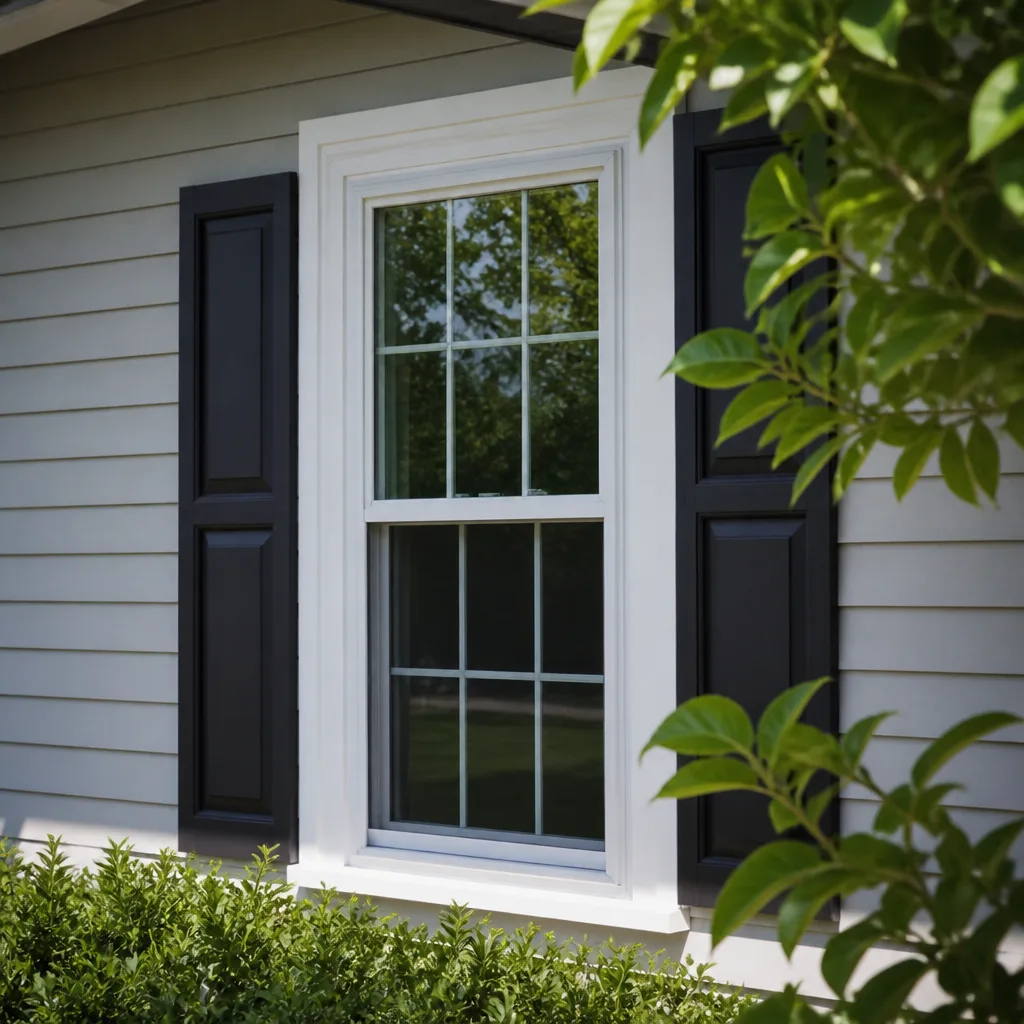
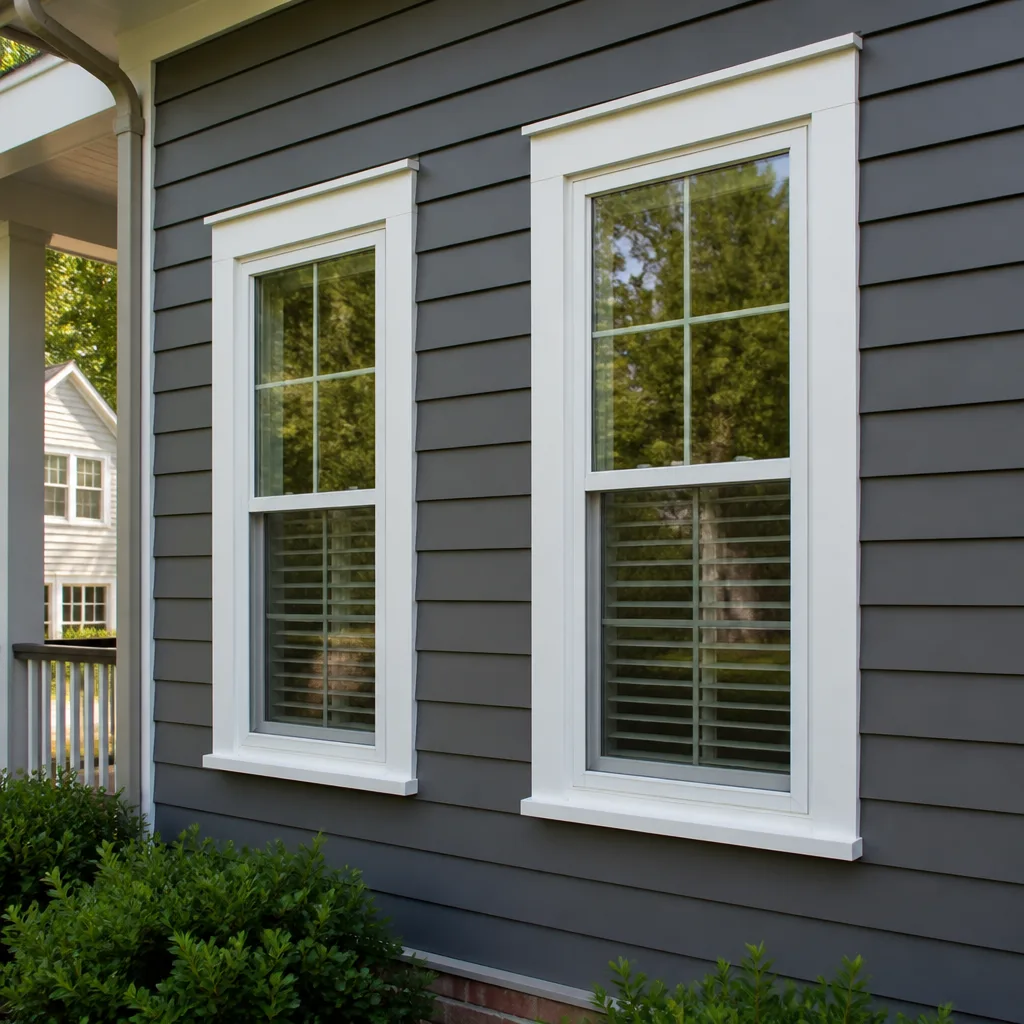
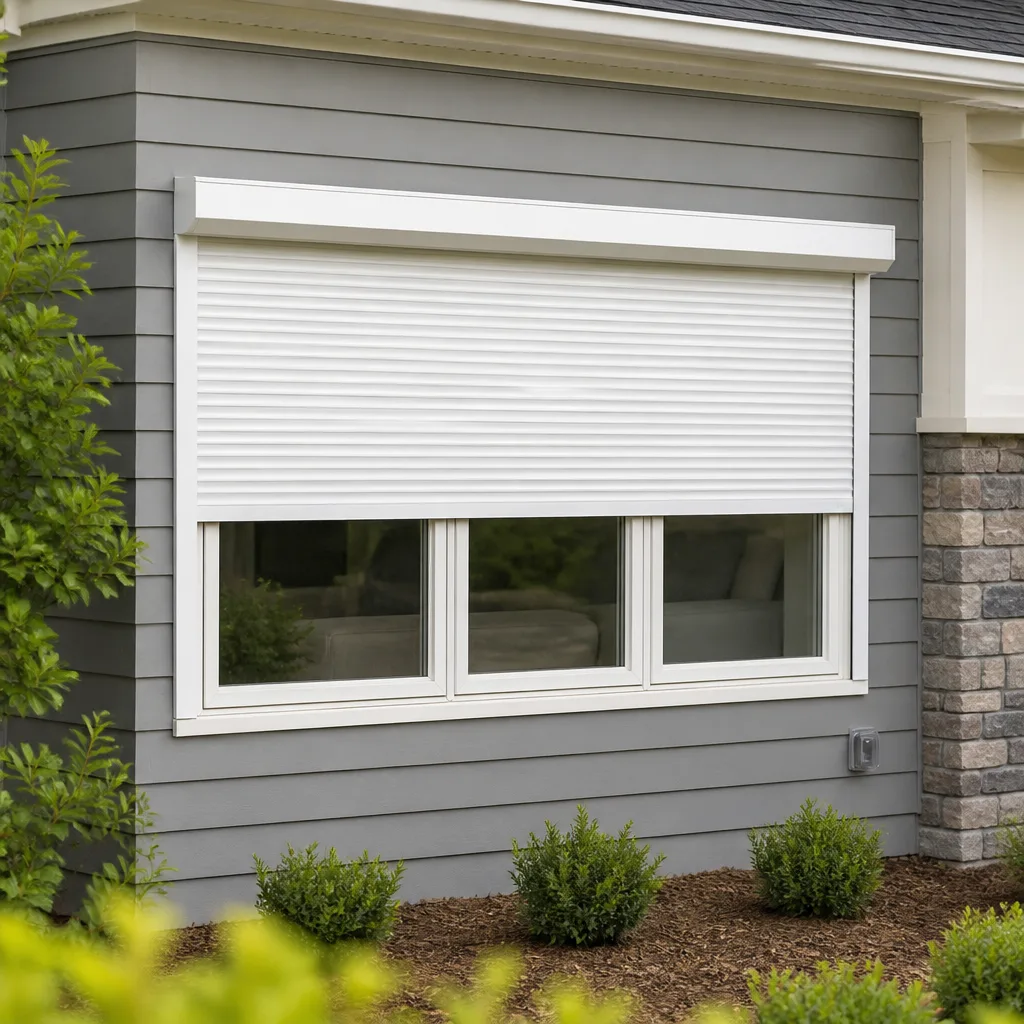
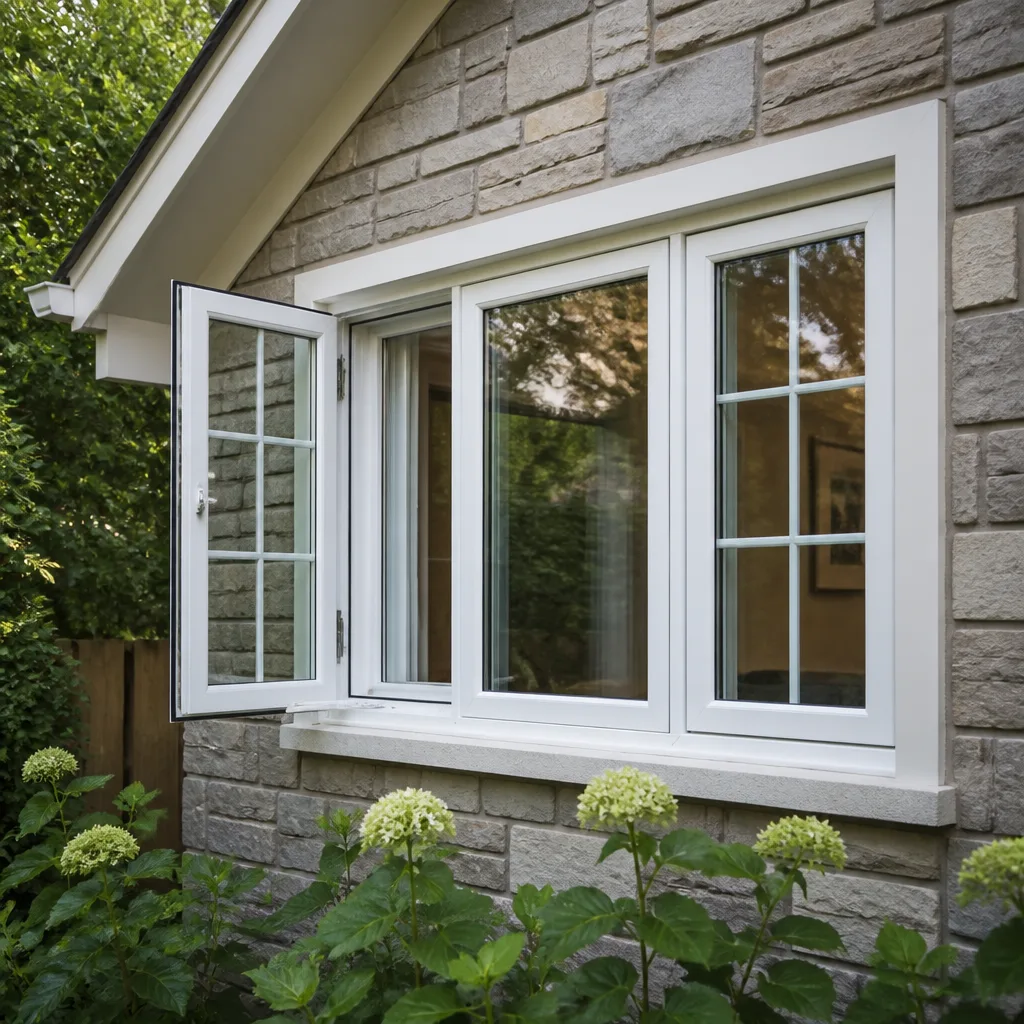
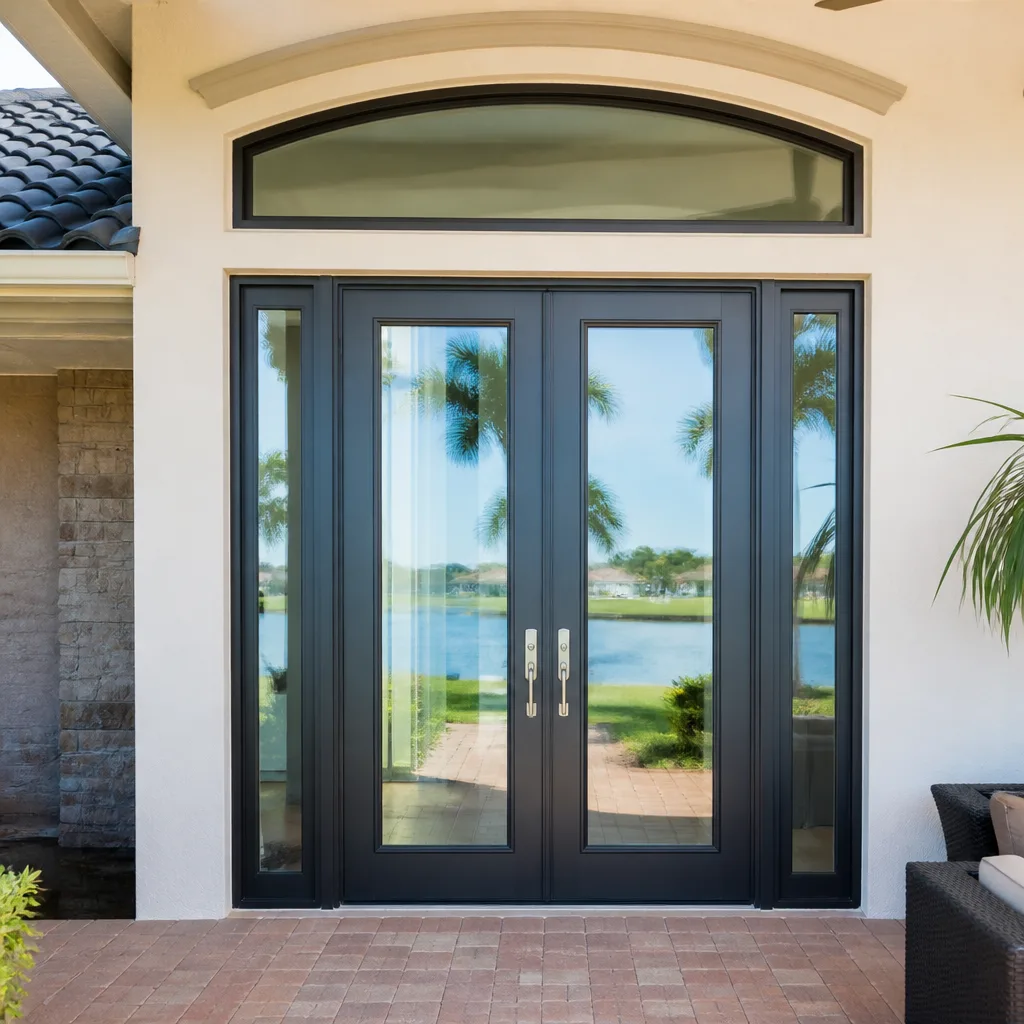
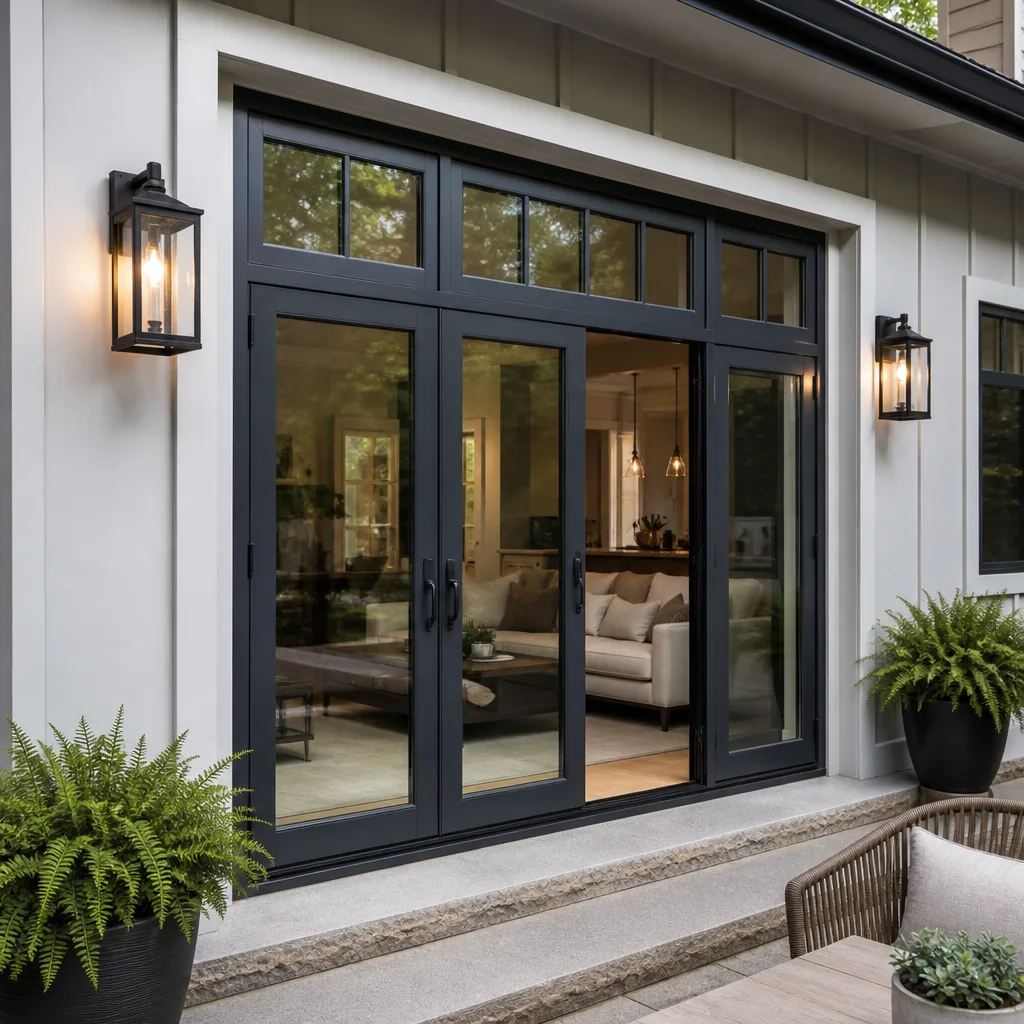
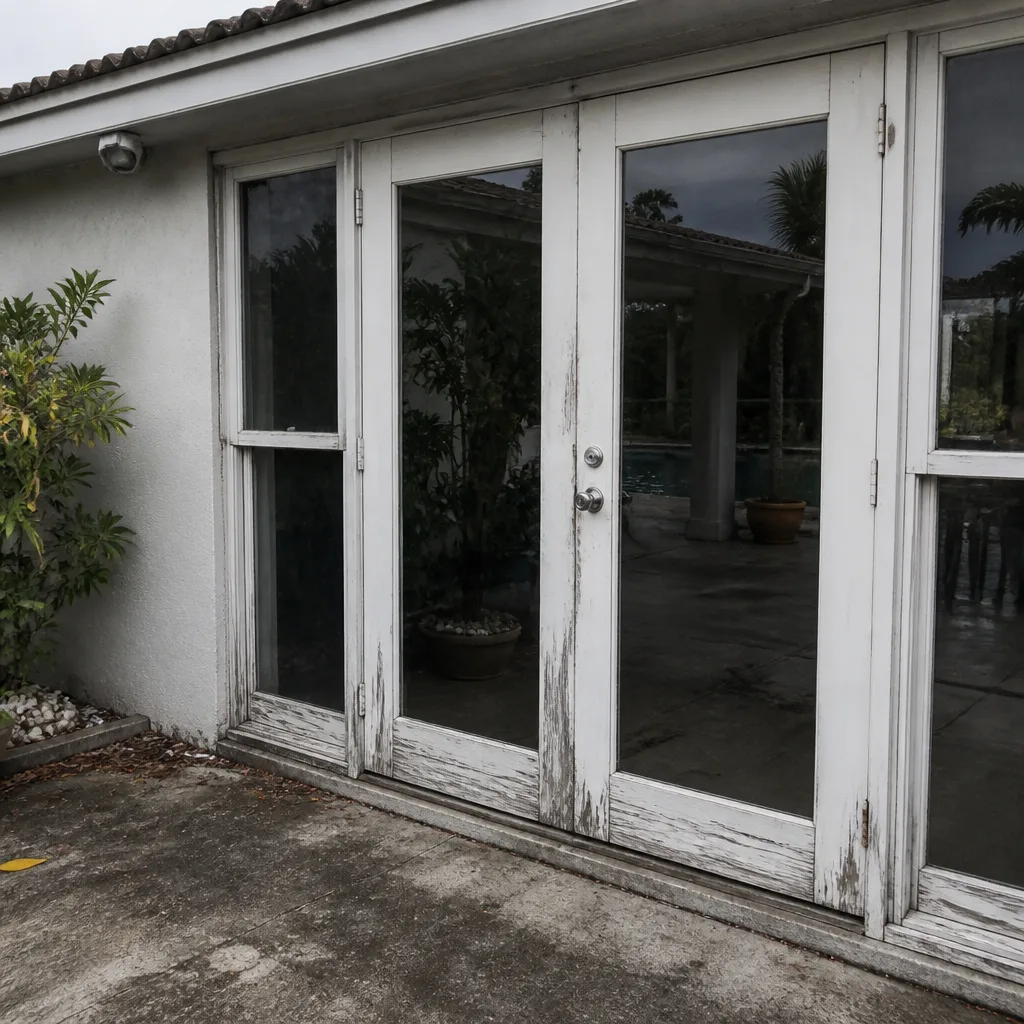 Before
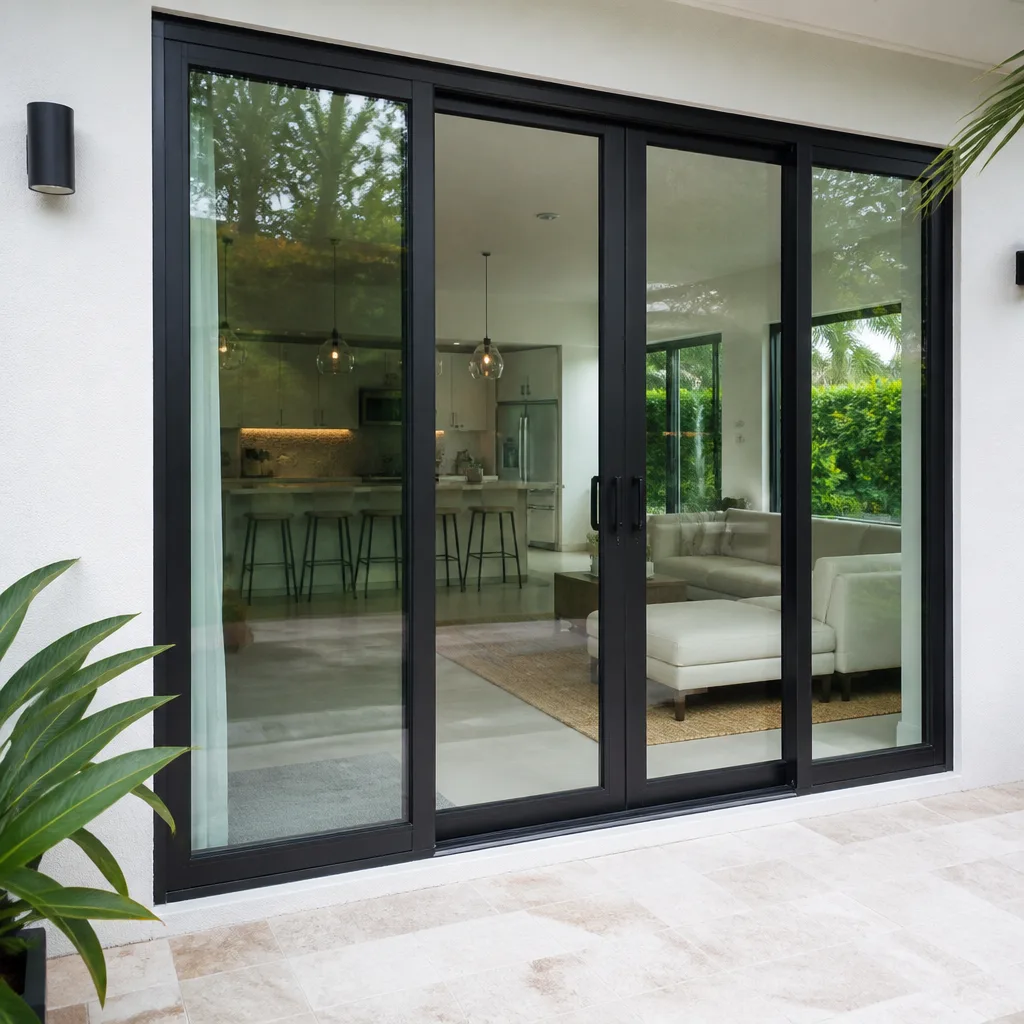 After
After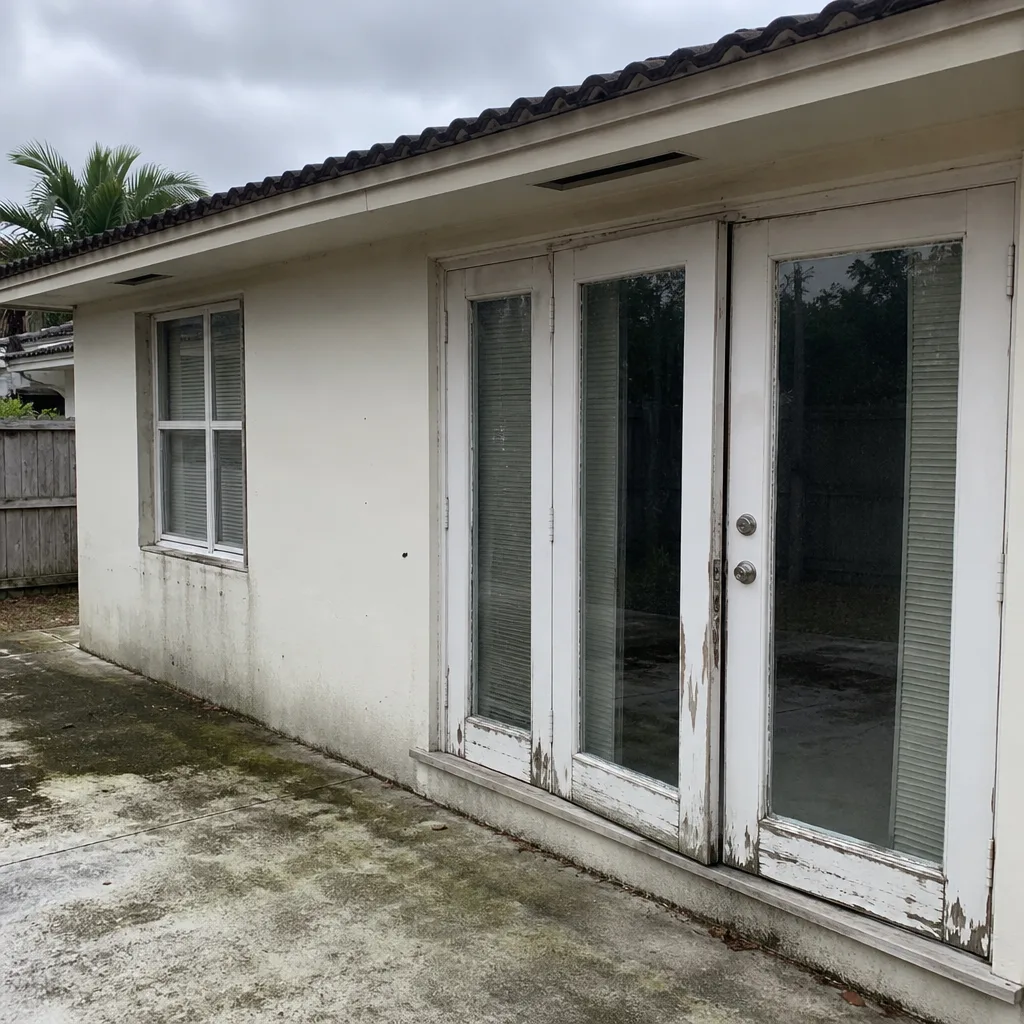 Before
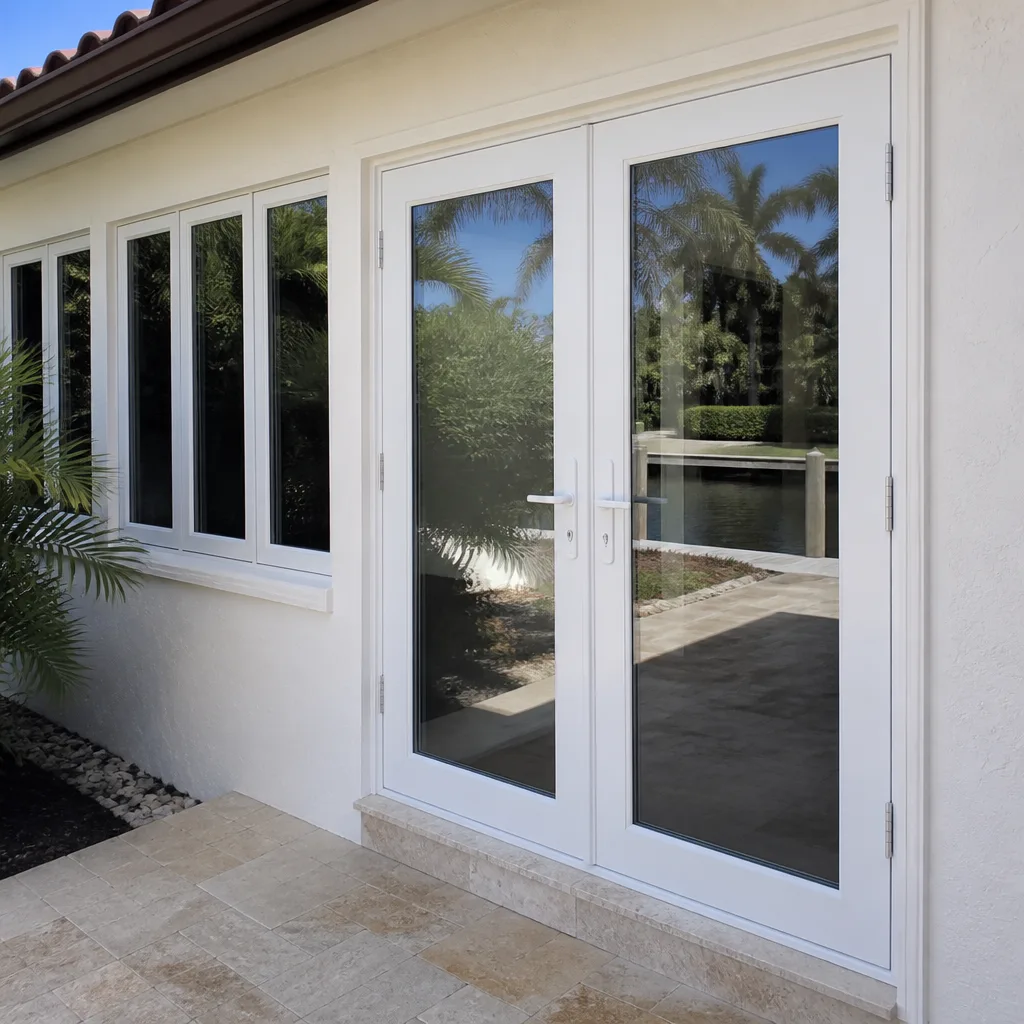 After
After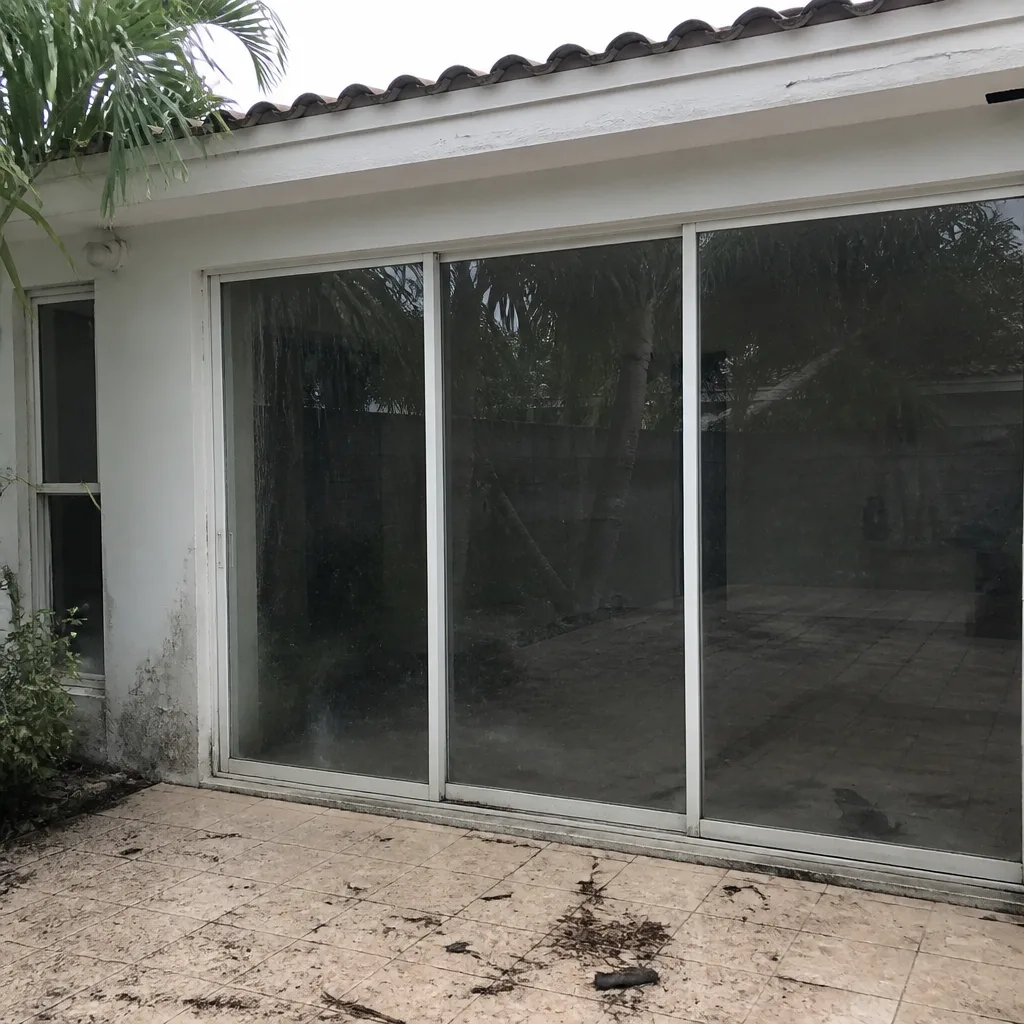 Before
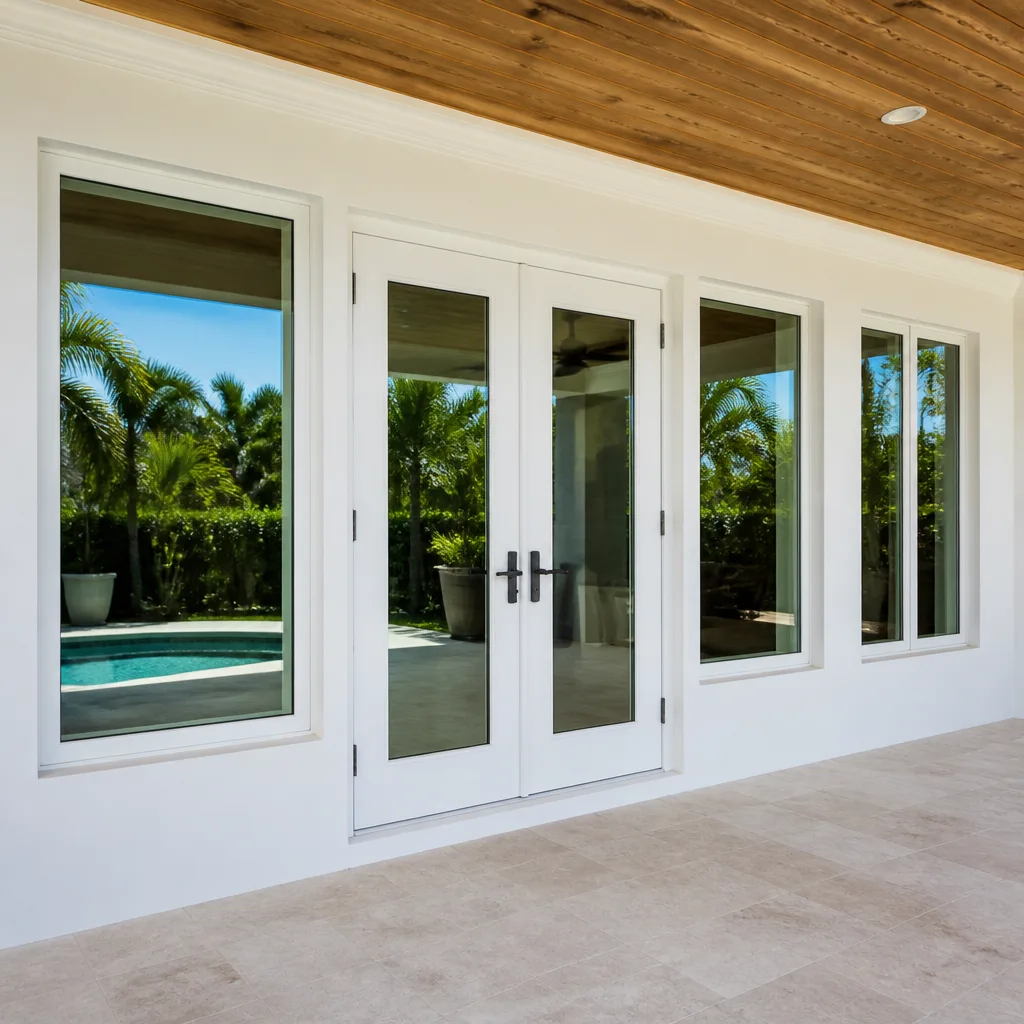 After
AfterLow-E & Argon Gas Glass in Miami, FL
Low-E and argon gas glass reduces solar heat gain and UV transmission without blocking your view – two things that matter a great deal when your home sits in Miami’s subtropical climate year-round. A properly specified unit with a high-performance Low-E coating and argon fill can cut cooling loads noticeably, protect interior furnishings from UV fade, and hold its thermal performance for decades when the seals are set correctly from the start. At TruePane Windows & Doors, our Energy-Efficient Windows services have included selecting, sourcing, and installing these units in Miami homes for over 42 years, and Dale Kessler has spent that time learning which glass packages actually perform here versus which ones look good on a spec sheet and disappoint in the field.
If you’re ready to talk options, a live person answers our phone 24 hours a day, 7 days a week – call (561) 489-4036 and you’ll speak with someone who can give you a real answer, not a callback window. This page sits under our broader Energy-Efficient Windows in Miami service if you want the wider picture first.
What Low-E and Argon Gas Glass Actually Does
Low-E stands for low emissivity. The coating is a microscopically thin metallic layer – sometimes multiple layers – and among Solar & Tinted Glass Options, it’s applied to one or more glass surfaces inside the insulating glass unit. That coating reflects long-wave infrared energy (heat) back toward its source rather than letting it pass through. In a Miami home, that means summer radiant heat from the exterior is largely reflected away before it enters your living room. In the winter months – yes, Miami has them – it reflects interior heat back inside rather than letting it bleed through the glass.
Argon gas fills the air space between the panes. Argon is denser than air, which slows convective heat transfer across the gap. The two technologies work together: Low-E handles radiation, argon handles convection. When both are spec’d and installed correctly, you get a unit with a meaningfully lower U-factor and solar heat gain coefficient (SHGC) than standard double-pane glass.
For Miami specifically, SHGC matters more than it does in cooler climates. Florida Building Code and ENERGY STAR guidance for the South/Hot climate zone set strict SHGC thresholds – typically 0.25 or lower for most residential applications – because your cooling bill is doing the heavy lifting eleven months out of twelve, which is why Window Energy Audits & Ratings matter for Miami homeowners. Hitting that number requires the right Low-E coating specification, not just any Low-E label on the box.
When You Need Low-E & Argon Gas Glass
- Your existing windows have fogged or hazing between the panes. That fog is condensation inside a failed seal. Once the argon has escaped and moisture has entered the unit, the glass is doing little thermal work. In Miami’s humidity, failed seals are common in windows that are 10-15 years old, especially in homes near Biscayne Bay or along coastal Coral Gables where salt air accelerates seal degradation.
- Your air conditioning runs harder than it should for your home’s square footage. If your cooling bills have climbed and your HVAC is in good shape, the glass envelope is often the culprit. Standard single-pane or older double-pane units without Low-E coatings allow substantial solar heat gain through west- and south-facing glass – a real problem on Coconut Grove or Pinecrest lots with afternoon sun exposure.
- Furniture, flooring, or artwork near windows is fading faster than expected. Low-E coatings block a significant portion of UV radiation. If you have hardwood floors or artwork near large windows in a Coral Gables bungalow or a Palmetto Bay home with wide glass openings, uncoated glass is giving that UV a free pass.
- You’re replacing windows for impact compliance and want to address energy performance at the same time. Many Miami homeowners replace windows for hurricane protection first. The smart move is specifying Low-E and argon within the same impact-rated unit rather than treating them as separate upgrades – it’s one installation, one disruption, and the labor cost is already on the table.
- Your home was built before 2000 and the windows are original. Pre-2000 construction in Miami-Dade frequently predates Low-E glass becoming standard in residential work. If your windows are that age, the coatings and gas fills are either absent or far outside their useful service life.
- You feel radiant heat near closed windows on a sunny afternoon. Stand six inches from a window on a south or west wall at 3 PM in August. If you can feel heat radiating off the glass without touching it, the SHGC is too high for Miami’s climate. That’s a measurable problem, not a comfort complaint.
Our Low-E & Argon Gas Glass Process
- Initial consultation and glass audit. We start with a walkthrough of the affected windows, not a sales pitch. We check existing glass for the Low-E coating presence (a simple reflective torch test), note seal condition, measure U-factors if the homeowner has access to the original specs, and document orientation. South- and west-facing glass in a Kendall or Doral home gets a different spec recommendation than a north wall in a shaded Coconut Grove lot.
- Side-by-side manufacturer comparison on paper. We pull quotes from the manufacturer lines we carry – including ES Windows and ECO Window Systems among others – and put them on paper side by side so you see exactly what you’re buying: coating type, SHGC, U-factor, argon fill percentage, spacer bar material, and warranty duration. No line item is hidden. This is the square deal the company was built on.
- Measure twice, order once. Every opening is measured twice by the same technician before an order is placed. In Miami, where humidity cycling causes slight frame movement over decades, field measurement is not optional – it’s what keeps the unit from arriving undersized or proud of the frame.
- Factory order and unit verification on arrival. When the unit arrives, we verify the Low-E coating specification and argon fill against the manufacturer’s documentation before the glass goes anywhere near a truck. A unit labeled incorrectly at the factory happens – we’ve caught it, and it matters because an uncoated unit installed in Miami in place of a Low-E unit will perform like one for about thirty days before you notice the difference on your electric bill.
- Installation to spec, including proper sealing and glazing tape. The argon fill retention rate depends heavily on seal integrity at the perimeter. We use the specified glazing compounds and spacer systems for each unit – we don’t substitute materials. In Miami’s humidity, the wrong sealant choice degrades faster than the coating itself. This is the craft side of the work that a unit price comparison doesn’t capture.
- Warranty registration before the truck leaves. Both warranty layers – the manufacturer’s glass unit warranty and the installation workmanship warranty – are registered in writing before we leave the site. You have the documentation in hand. The 90-Day Done Right Promise covers any workmanship issue within that window, no paperwork fight, no arguing. If something is not right, we come back and make it right.
Low-E & Argon Gas Glass Pricing in Miami
Low-E and argon glass in Miami typically falls into a range that depends on unit size, glass package specification, frame material, and whether the project involves a full window replacement or an insulated glass unit (IGU) retrofit into an existing frame. The table below gives honest ranges based on current Miami market conditions – these are not teaser numbers and they are not worst-case numbers.
| Scope | Typical Miami Range | Key Variables |
|---|---|---|
| IGU retrofit (glass unit only, existing frame reused) | $180 – $420 per unit | Unit size, coating grade, frame condition |
| Single window replacement (standard residential) | $350 – $750 per window installed | Size, Low-E spec, impact-rated vs. non-impact |
| Impact-rated unit with Low-E + argon | $550 – $1,200 per window installed | Impact laminate, frame, opening size |
| Whole-home replacement (10-20 windows) | $6,500 – $18,000 installed | Window count, mix of sizes, manufacturer line |
Several factors push a Miami project toward the higher end of those ranges. Homes in flood zones or coastal overlay areas in Miami-Dade may require impact-rated units to satisfy insurance requirements and building code, which adds laminate to the glass assembly and raises unit cost. Larger openings – common in 1970s-era ranch homes in Palmetto Bay or Cutler Bay – cost more per unit simply because there’s more glass. Custom sizing on Spanish colonial or Mediterranean-style homes in Coral Gables adds lead time and sometimes a fabrication premium.
Factors that keep cost at the lower end: standard-size openings that draw from manufacturer stock rather than custom fabrication, projects where the existing frame is sound and an IGU retrofit is sufficient, and whole-home projects where the volume works in the homeowner’s favor on material pricing.
We offer $50 off any repair over $250, and seniors and veterans receive a permanent 5% discount on all work. Estimates are free and come with no obligation. Call (561) 489-4036 to schedule one – we’ll give you a written number, not a range that doubles by the time we invoice.
FAQs – Low-E & Argon Gas Glass
Does Low-E glass make a visible difference in a Miami home, or is it mostly marketing?
It makes a measurable difference, particularly in Miami’s climate, and it shows up in two places: your cooling bill and the temperature you feel near the glass. A properly spec’d Low-E unit with a low SHGC (0.25 or below, which is the target for Florida’s hot climate zone) rejects a meaningful portion of solar heat gain before it enters the room. Homeowners who switch from uncoated double-pane to a quality Low-E unit on south- or west-facing glass in Doral or Kendall commonly notice the radiant discomfort near windows disappear within the first summer. The UV-Blocking & Fade Protection for flooring and furnishings is also real and measurable – it’s not a comfort impression, it’s a physics outcome. Call (561) 489-4036 and we’ll walk you through the spec numbers specific to your home’s orientation and exposure.
How long does argon gas stay in the unit before it escapes?
A well-manufactured and properly installed argon-filled unit retains the majority of its fill for 20 years or more under normal conditions. Argon permeates very slowly through the spacer and edge seals at a rate of roughly 1% per year in quality units – meaning after 20 years, you may have 80% fill remaining, which still provides most of the thermal benefit. The failure mode to watch for is not slow permeation but seal failure, which allows rapid argon loss and moisture entry. In Miami, salt air exposure near the coast accelerates edge seal degradation, which is why we pay close attention to spacer bar specification and sealant selection for homes in Miami Beach, Key Biscayne, or along the Brickell waterfront.
Can you replace just the glass unit inside my existing window frame, or do I need a full window replacement?
In many cases, yes – if your existing frame is structurally sound and square, we can retrofit a new Low-E argon IGU into it without replacing the entire window assembly. This is called an IGU replacement or glass-only replacement, and it costs considerably less than a full window replacement. We assess the frame condition during the estimate visit – if the frame has moisture damage, the sash doesn’t operate correctly, or the frame itself is contributing to air infiltration, we’ll tell you plainly and explain why a full replacement makes more sense. If the frame is fine, we’ll say that too. Call (561) 489-4036 and we’ll take a look at no charge.
Do Low-E windows require any special cleaning or maintenance in Miami’s climate?
No special products are needed. Low-E coatings are applied to interior glass surfaces inside the sealed unit, so you never touch them directly during cleaning. The exterior glass surface cleans the same way standard glass does – mild soap and water, no abrasive pads, no ammonia-heavy cleaners that can attack frame seals over time. In Miami, the more important maintenance item is keeping the weep holes in window frames clear of debris, especially after tropical weather, and inspecting perimeter sealant every few years for cracking. Salt spray from coastal exposure can degrade exterior sealants faster than in inland areas – homes in Miami Beach or near Coconut Grove’s waterfront should have sealant inspected more frequently. Our $89 Seasonal Tune-Up covers exactly that kind of check.
Key Takeaways
- Low-E coatings reduce radiant heat gain and UV transmission; argon fill reduces convective heat transfer – together they lower your home’s cooling load in Miami’s climate.
- Florida Building Code targets an SHGC of 0.25 or below for residential glass in the hot climate zone – the right coating specification matters, not just any Low-E label.
- IGU retrofits into existing frames are often the cost-effective option when frames are sound; full replacement makes sense when frames show moisture damage or are out of square.
- Coastal Miami homes – Miami Beach, Key Biscayne, Brickell waterfront – need attention to edge seal and spacer bar specification because salt air accelerates seal degradation.
- Every TruePane installation includes both warranty layers registered in writing before the truck leaves the driveway, plus the 90-Day Done Right Promise on workmanship.
- Estimates are free, pricing is upfront and in writing, and a live person answers the phone at (561) 489-4036 around the clock.
Ready to Get a Straight Answer on Low-E Glass for Your Miami Home?
If you’ve read this far, you probably have specific questions about your windows – the orientation, the frame condition, whether a retrofit makes sense or a full replacement does. Those are exactly the kinds of questions Dale Kessler built this company to answer plainly, without a sales layer in the way. TruePane Windows & Doors has been doing this work in Miami for over 42 years, and we’re authorized to install manufacturer lines including ES Windows and ECO Window Systems, so you’ll see real options side by side on paper.
Call (561) 489-4036 – a live person picks up, day or night. We’ll schedule a no-obligation estimate visit, measure your openings, and give you written pricing that doesn’t change between the estimate and the invoice. If you want to start by reading more about our full range of glass upgrades, the home page has the broader picture. Either way, the next step is a phone call, and that call costs you nothing.
Written by Dale Kessler, Owner at TruePane Windows & Doors, serving Miami.
Six Reasons Homeowners Choose TruePane Windows & Doors
Impact systems engineered to design pressures up to +/-100, matched to your wind zone - your openings hold when the storm arrives.
Low-E insulated impact glass from our manufacturer lines commonly cuts monthly cooling bills 20-30%.
Laminated impact glass shuts out up to 40% of outside noise - traffic, neighbors, weather.
Monitoring services run $30-90 a month. Laminated impact glass resists forced entry around the clock, with no subscription.
Florida homeowners average around 25% savings on the windstorm portion of their policy after protecting every opening - some homes qualify for more.
A full impact package upgrades curb appeal, buyer confidence and appraised value in one project.