Free in-home measure and quote - PGT, CGI and CWS impact lines compared on your actual openings, style by style
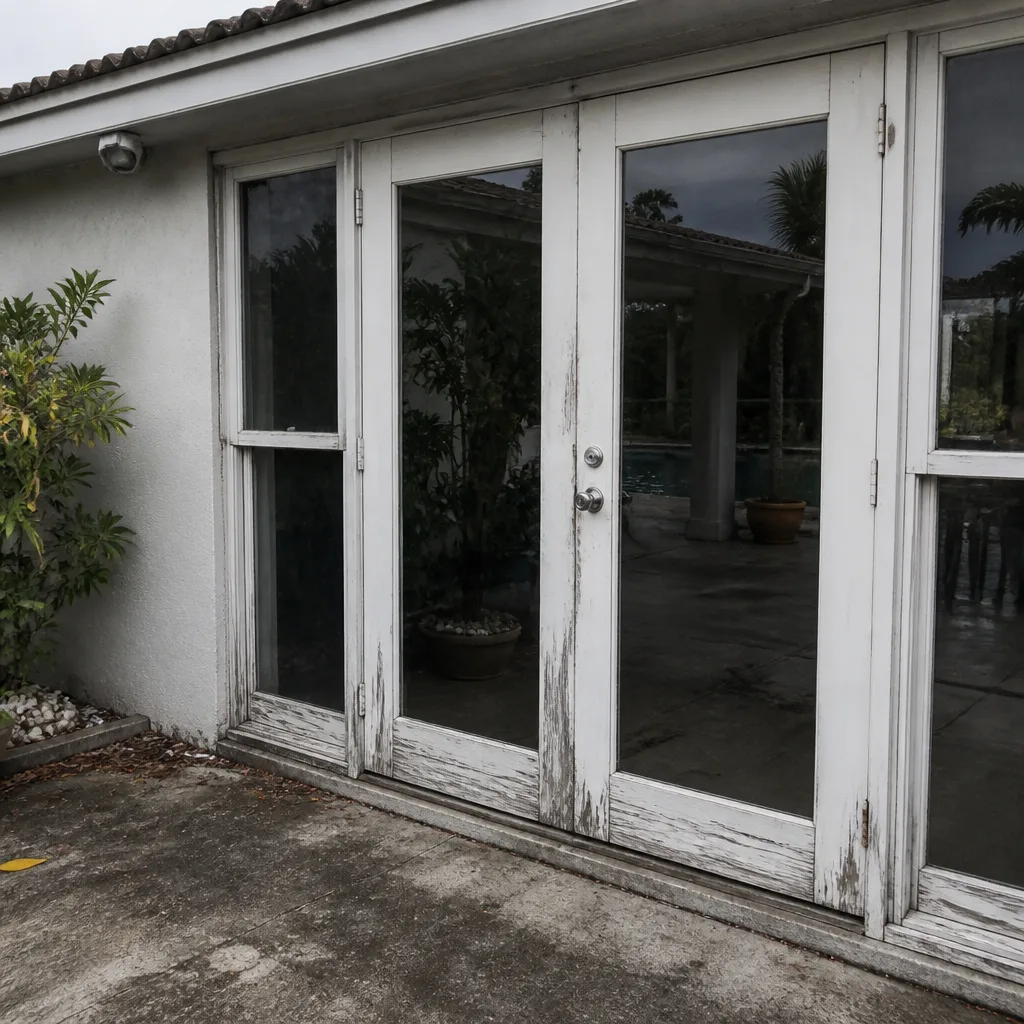 Before
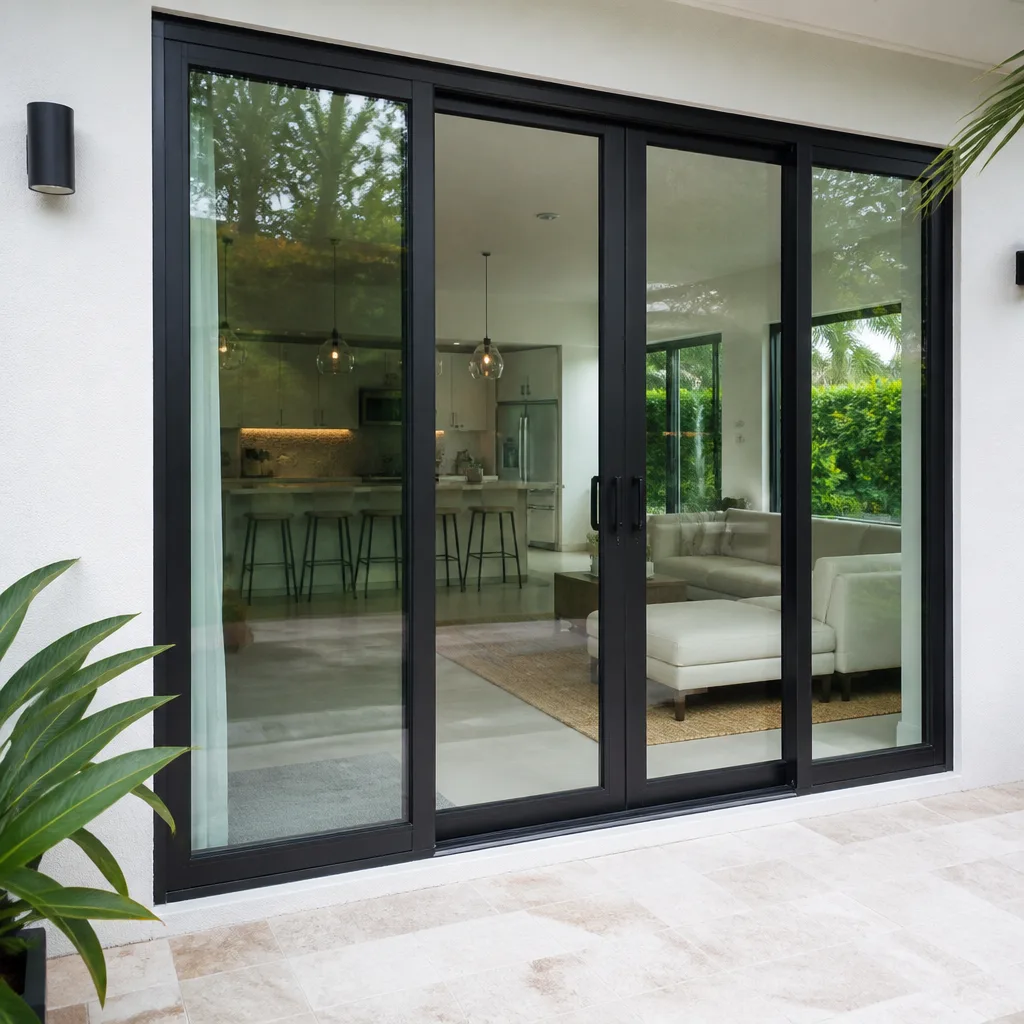 After
After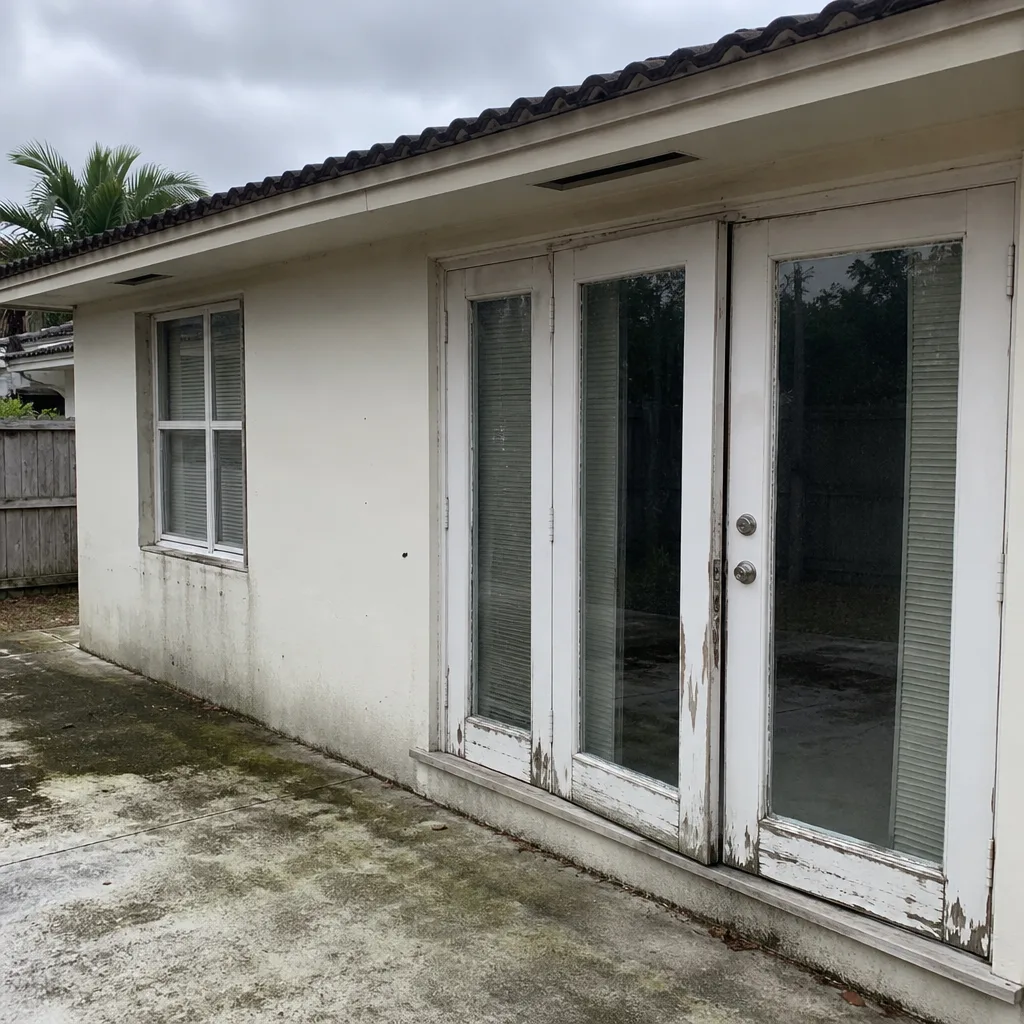 Before
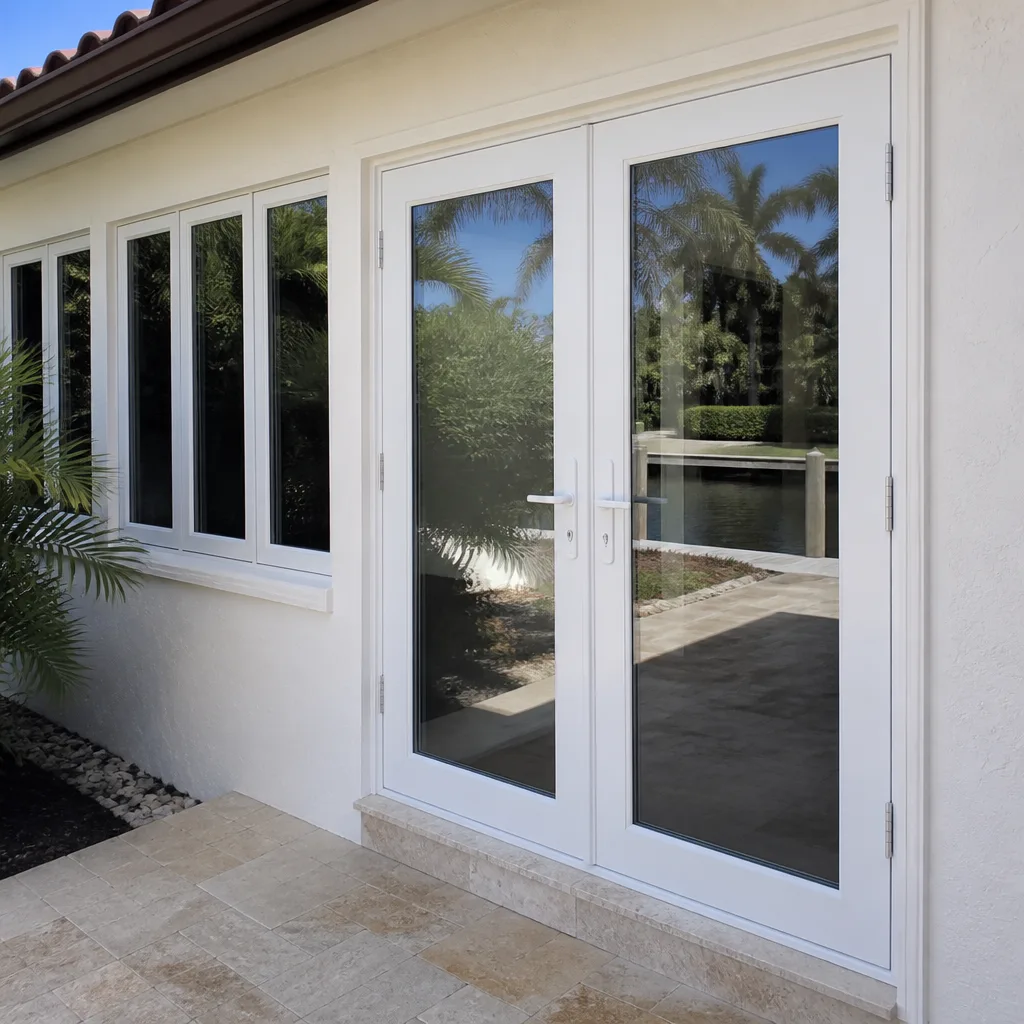 After
After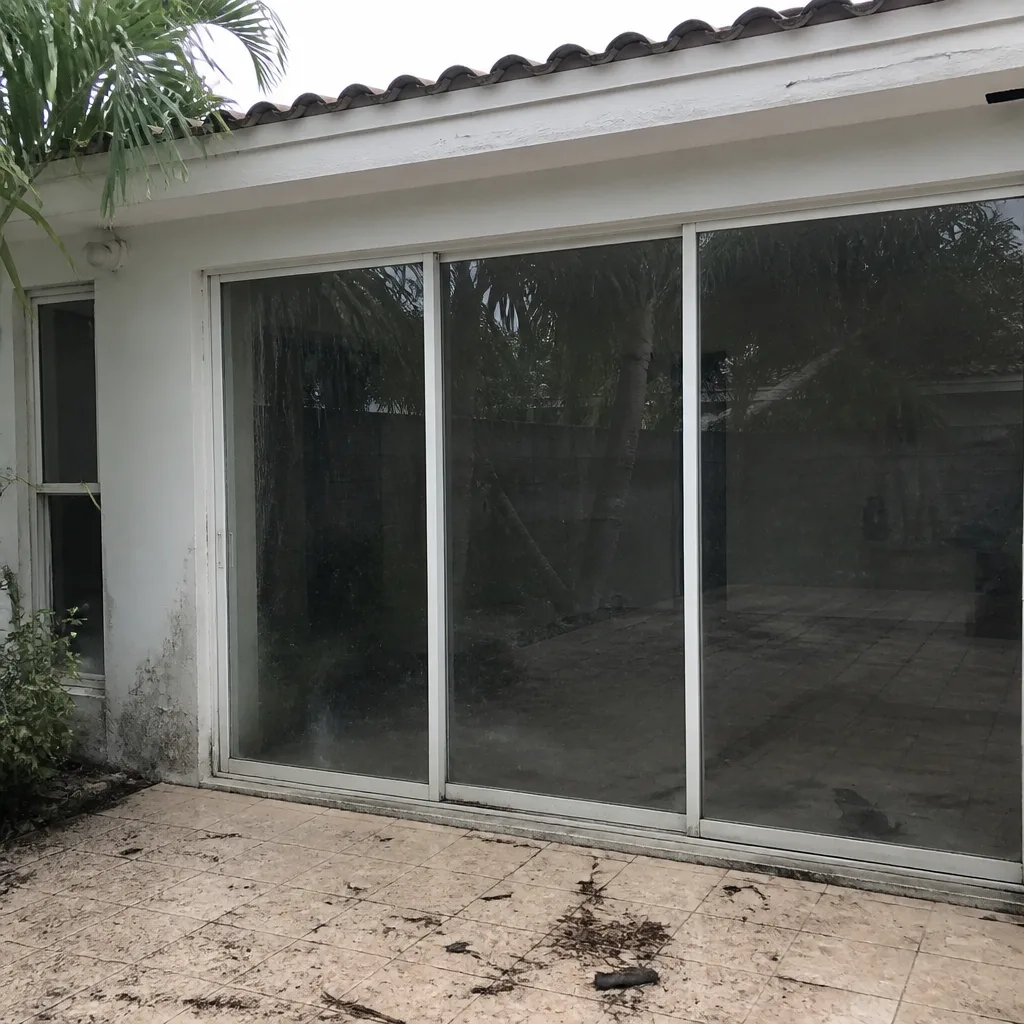 Before
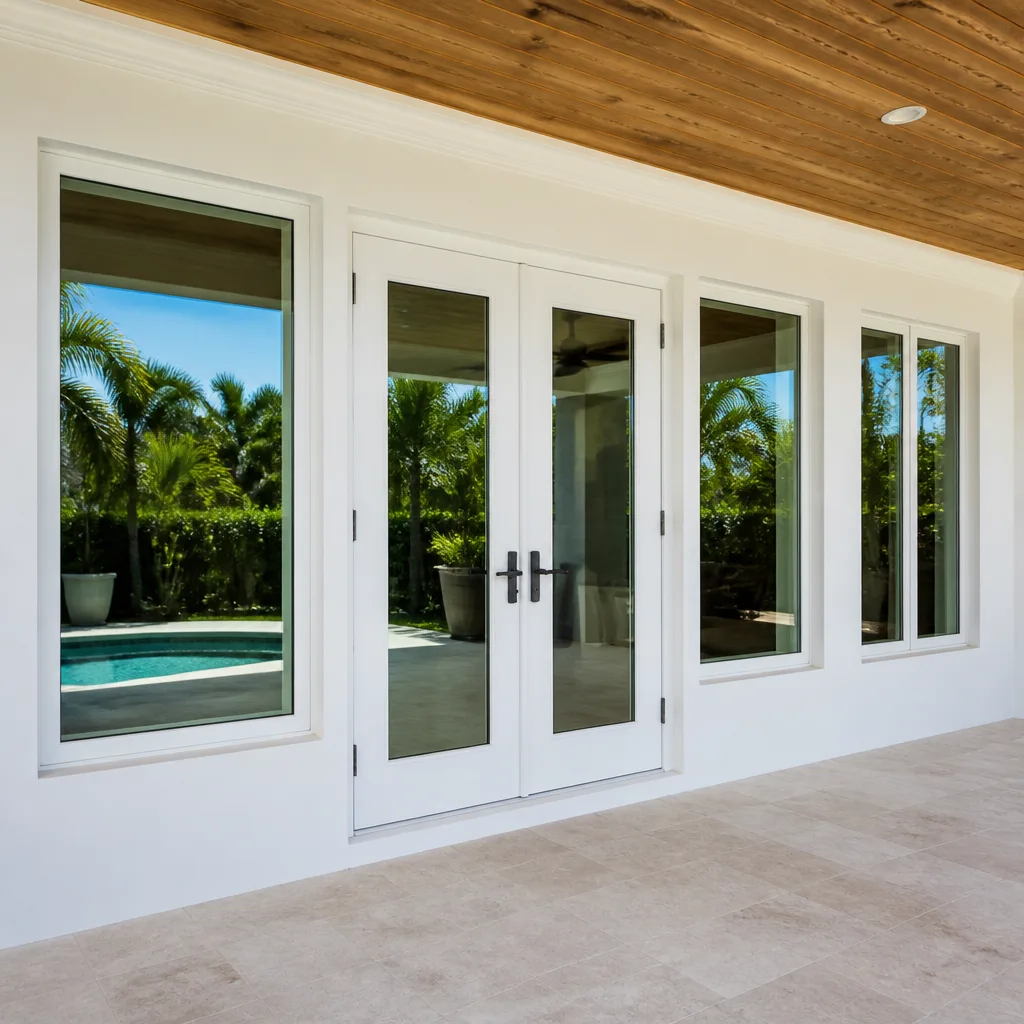 After
AfterEntry Doors in Miami, FL | TruePane Windows & Doors
Entry doors in Miami do two jobs at once. They’re the first thing a guest touches, and they’re the last line between your living room and a Category 4. Our Therma-Tru impact entry door systems handle both. We install fiberglass and steel doors with Miami-Dade NOA documentation, factory finishes that won’t chalk out in three summers, and design pressures matched to your actual wind zone, not a one-size-fits-all number. TruePane Windows & Doors has been setting these doors level, plumb, and square across Miami-Dade for years, and we pull the permit paperwork with you, not around you. Call (561) 489-4036 to talk through what fits your opening.
Product Overview - Entry Doors
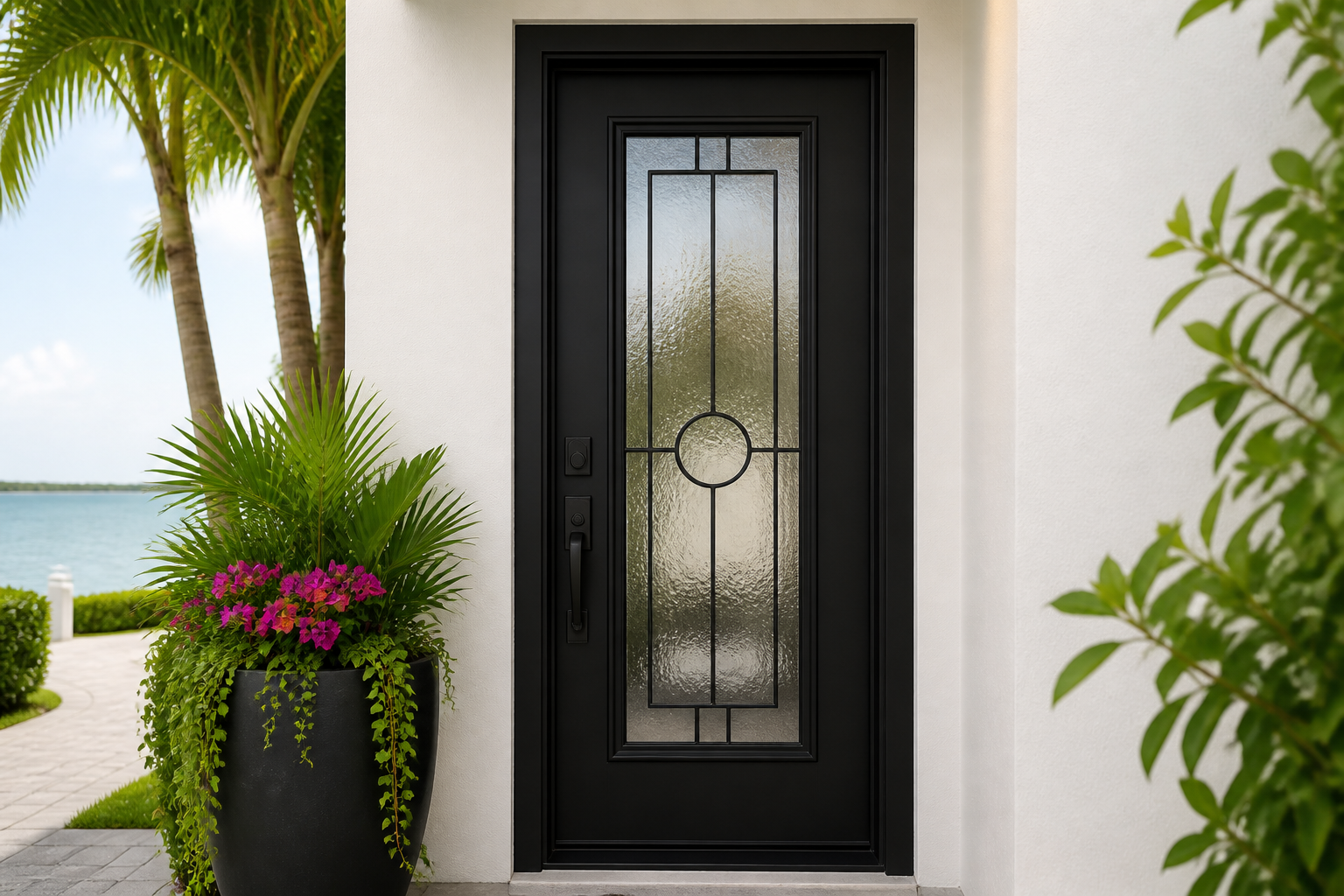
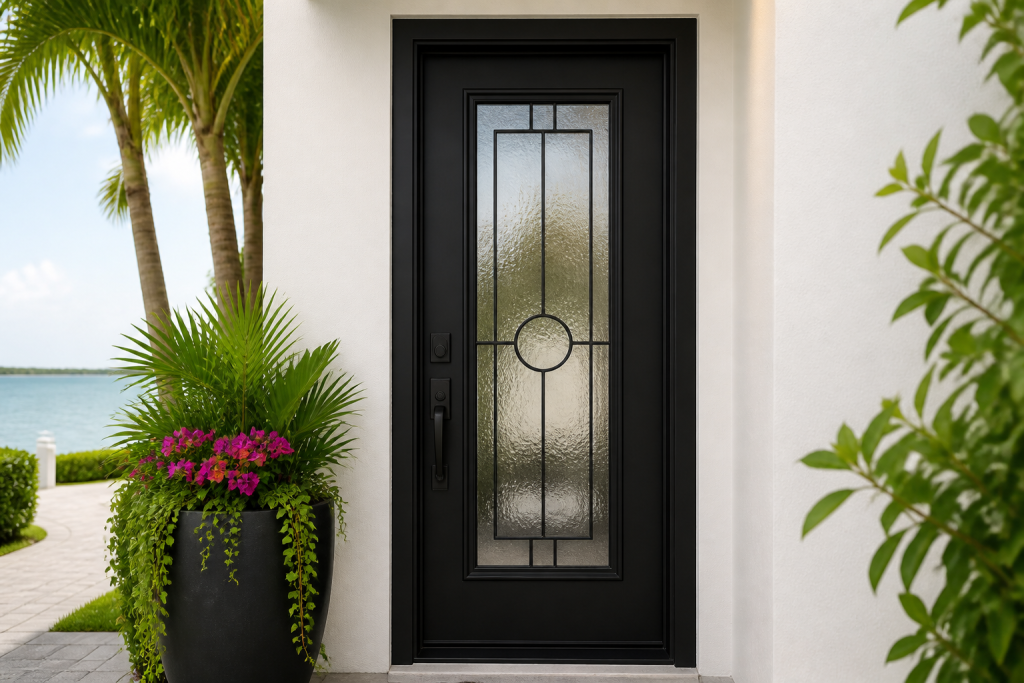
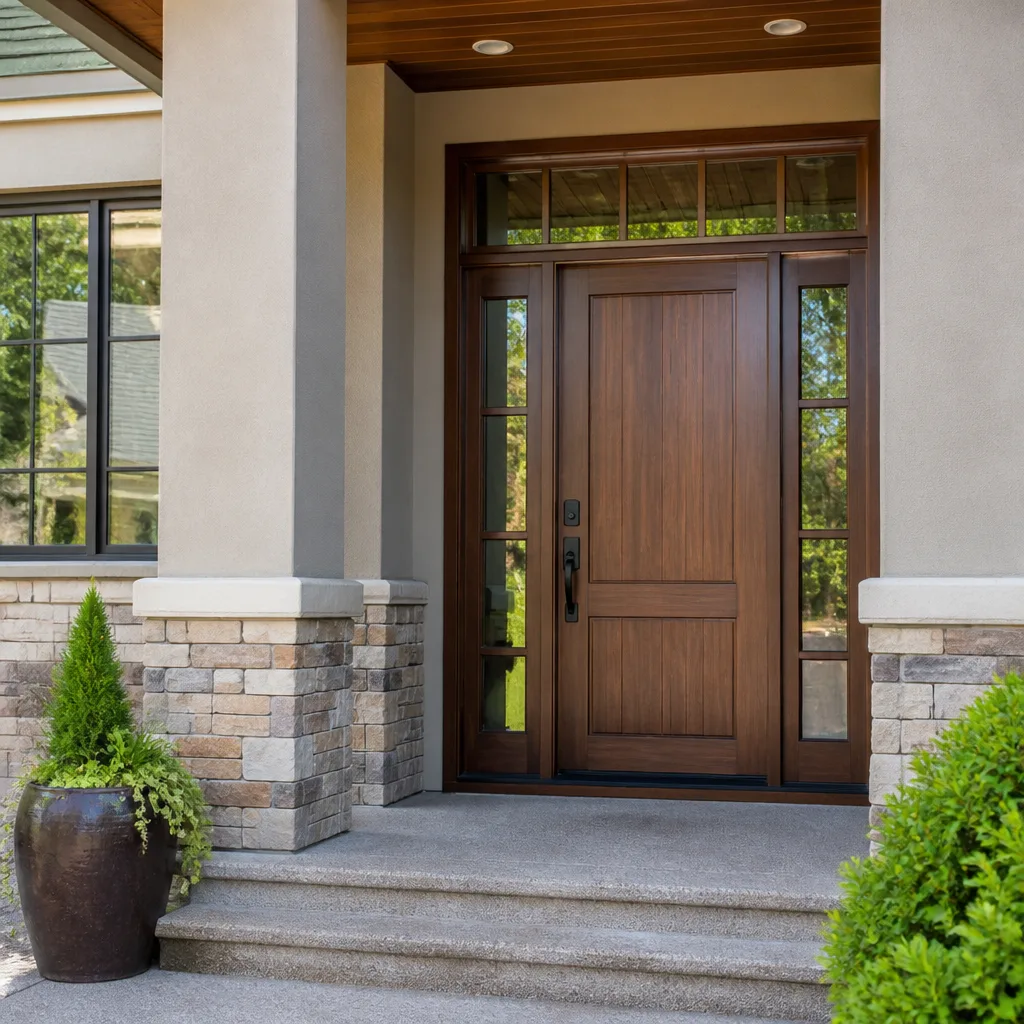
Most entry doors sold in Florida fall apart in two ways. The slab warps, or the seam where door meets frame gives up under cyclic wind loading. This line is built to answer both. The core is Therma-Tru fiberglass or steel, and the engineering around that core is what makes it hold a Miami-Dade NOA rating without looking like a bunker door. Fiberglass gets you a woodgrain texture that takes paint or comes factory-finished in colors that survive coastal UV. Steel gets you a narrower sightline and serious stiffness for wide, exposed openings in neighborhoods like Coconut Grove or Pinecrest where the wind funnels hard.
We sell this to three kinds of homeowners in Miami. The one replacing a hollow builder door that’s swollen shut by August. The one renovating and trying to close a permit without swapping to an approved assembly. And the one who just wants a front door that feels solid when it latches and stays square for a decade. These are factory-finished and paint-grade options both, in up to 48-inch widths. TruePane installs them the same way every time: shimmed tight, sealed at the perimeter, anchored per the approved schedule, and tested for water before we call the job done.
Technical Specifications
- Frame materials: Fiberglass, Steel
- Maximum width: Up to 48 inches
- Glass options: Decorative Impact Glass Insert, Low-E Insulated Glass Insert, No Glass (Solid Panel)
- Color and finish options: White, Black, Bronze, Paintable Woodgrain Finish
- Design pressure: Matched to your wind zone, up to +/-100 PSF - never higher
- Compliance documentation: Miami-Dade NOA and Florida Product Approval numbers available per configuration
- Code path: Engineered to Florida Building Code (FBC) High-Velocity Hurricane Zone (HVHZ) requirements
Every configuration gets its own approval document. The door you’re quoted is the door that’s NOA-listed, not a “similar” product with a close-enough frame depth. That matters when the plan reviewer in your municipality asks for the actual submittal package.
Hurricane & Compliance Performance
Laminated Impact Glass - The glass inserts use laminated impact glass with a PVB (polyvinyl butyral) interlayer. When a projectile hits, the interlayer holds the glass in the frame instead of letting it blow inward as shrapnel. The lite may crack, but it stays in place and keeps the building envelope closed during the storm.
Miami-Dade NOA / Florida Product Approval - Each door configuration carries its own Miami-Dade NOA (Notice of Acceptance) and Florida Product Approval numbers. We verify the exact numbers that apply to your specific size and glass package on your quote, so what you submit to the building department is what we install.
FBC / HVHZ Compliance - These doors are engineered to Florida Building Code High-Velocity Hurricane Zone requirements. That’s the stricter code path unique to Miami-Dade and Broward counties, and the only one that matters if you’re pulling a permit in most of Metro Miami.
TAS 201 / 202 / 203 Testing Context - HVHZ-rated products are tested under the TAS protocol family. TAS 201 covers large-missile impact, TAS 202 covers cyclic wind-pressure loading, and TAS 203 covers forced-entry resistance. These aren’t marketing badges. They’re the test standards your permit package references by number.
Design Pressure for Your Wind Zone - We don’t sell you a door stamped for a wind zone you don’t live in. Design pressures are matched to your wind zone, up to +/-100 PSF, and never higher than your structure actually requires. Paying for a +100 door on a +60 opening is wasted money. We spec what the plan calls for.
Energy Performance - Low-E and insulated glass options are available for the glazed configurations. For south-facing entries in neighborhoods like Shenandoah or Coral Way, the insulated insert cuts the heat you feel standing at the door in July and reduces the temperature swing in the front rooms.
Color & Glass Options
The finish decision usually comes down to how much sun the door takes. A north-facing entry in a tree-covered lot in Miami Springs can wear a deep bronze or black without a problem. A west-facing door in Kendall with zero shade will get cooked every afternoon. For those openings, we steer people toward white or a paint-grade woodgrain they can re-coat over the years. The paint-grade fiberglass comes textured like an oak or fir grain, takes a standard exterior-grade paint, and looks remarkably like a stained wood door from eight feet away.
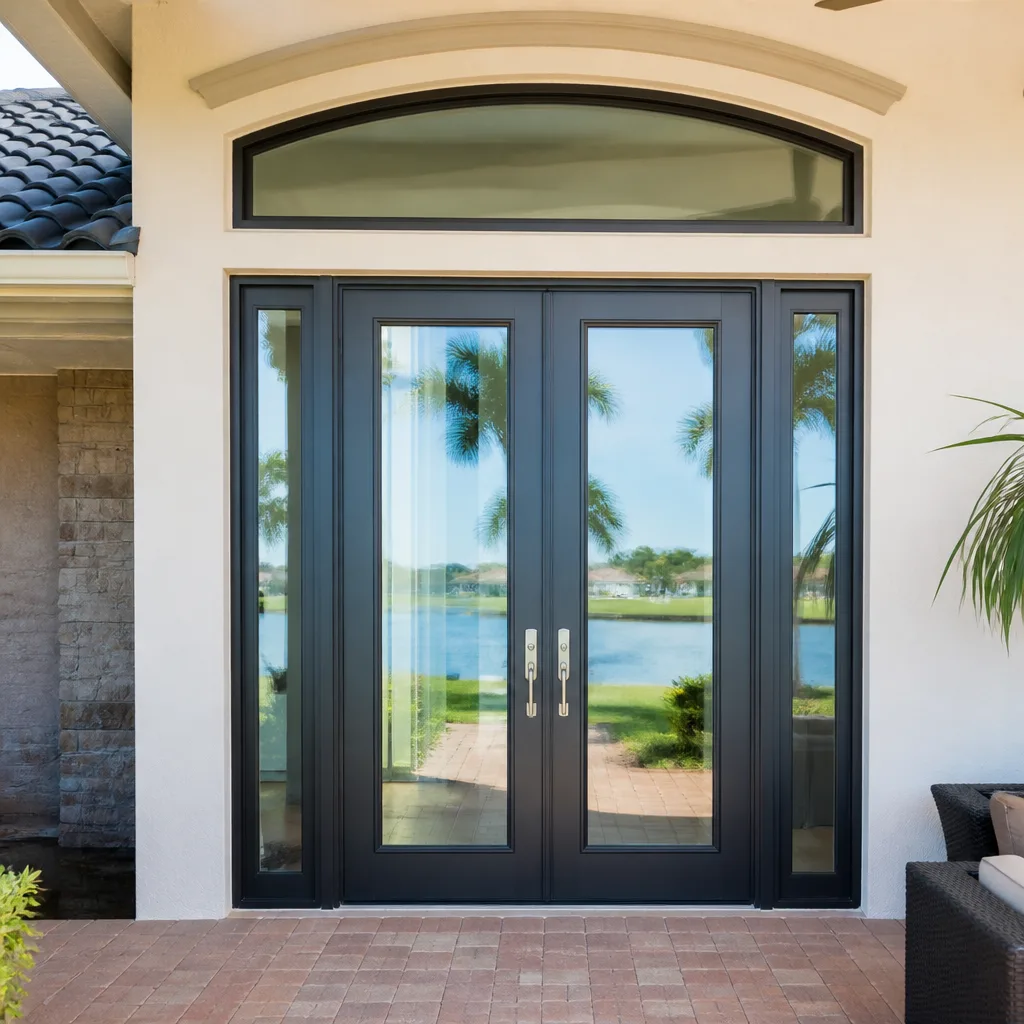
On glass, it’s a choice between light, looks, and simplicity. The solid panel has no glazing at all: highest security impression, zero glass to maintain, maximum insulation value. The decorative impact glass insert gives you something architectural, a patterned lite that reads like a custom entry even though it’s a factory-configured assembly. The Low-E insulated insert is the pick when you want natural light in the entry but not the heat that usually comes with it in a Miami summer. All three are impact rated. None of them require you to sacrifice the NOA listing.
Installation by TruePane Windows & Doors in Miami
An NOA-rated door installed poorly is not a rated door. The approval document assumes a specific anchoring schedule, a specific sealant treatment, and a specific relationship between the frame and the rough opening. If those aren’t followed, the paper means nothing. That’s the argument for professional installation, and it’s why we take our install practice seriously.
Our process starts with a pre-install inspection of the opening. We check the rough opening dimensions against the approved frame size, look at the condition of the subfloor and king studs, and identify rot or settlement before a new door goes into a compromised opening. Then we set the frame level, plumb, and square, shimming at the anchor points per the approved schedule. The perimeter gets a continuous seal using AAMA 812 low-expansion foam, which fills irregular gaps without bowing the frame. Flashing and sill treatment follow per AAMA 2400/2410 practice, with the sill pan pitched to drain water away from the interior.
Before we call it done, we run a water test on the threshold and lower corners, check the weatherstrip compression, and cycle the door a half-dozen times to confirm the reveal is even. Cleanup is included. If you’re in an HVHZ jurisdiction, we’ll flag the permit requirement early and provide the NOA and Florida Product Approval documentation for your submittal package. Coastal exposure in neighborhoods like Brickell or South Beach changes anchoring requirements. We account for that as a matter of habit, not an upgrade.
Frequently Asked Questions - Entry Doors
Design pressure is matched to your wind zone, up to +/-100 PSF, and never higher than your structure requires. The exact DP rating depends on the door width, glass configuration, and where your home sits relative to the coast. We spec the rating on your quote and match it to the NOA submittal for your address.
Most configurations ship in three to six weeks from order date, depending on the finish and glass package. Factory-finished paints and decorative glass inserts add a bit more time than a paint-grade solid panel. We confirm lead time on your specific configuration when you get the quote, and we schedule installation once the door is in our Miami warehouse. Call (561) 489-4036 for current timing.
In most Miami-Dade municipalities, yes. The plan reviewer will want the Notice of Acceptance or Florida Product Approval number that corresponds to your specific door configuration, not a generic cut sheet. We provide the exact documentation for your quoted configuration so you aren’t stuck chasing paperwork during the permit process.
Widths up to 48 inches are available as standard product, with the glass and finish combinations listed above. The options are factory-configured, which is actually a benefit: the NOA is tied to a specific configuration, so the more you customize the more documentation you need. We’ll quote the approved configuration that fits your opening rather than promising a field-modified unit that won’t pass the plan review.
Fiberglass and steel frames don’t demand much. Rinse the salt spray off a few times a year if you’re within a mile of the ocean, keep the weatherstrip clean, and re-lubricate the hinges annually. For paint-grade fiberglass, treat it like a wood door: repaint when the finish shows wear. Factory finishes hold up without coating, but any exterior surface in direct Miami sun benefits from a light cleaning a couple times a year. Call (561) 489-4036 if you want us to check the reveal or weatherstrip while we’re in your neighborhood.
Get a Quote - Entry Doors in Miami
If you’re replacing a front door, upgrading before storm season, or sitting on a permit request for an approved entry assembly, we’ll spec it and quote it properly. Free on-site measurement, line-item quote, and the NOA documentation to match your submittal. Call TruePane Windows & Doors at (561) 489-4036 to schedule yours.
Written by the team at TruePane Windows & Doors, serving Miami, FL.
Six Reasons Homeowners Choose TruePane Windows & Doors
Impact systems engineered to design pressures up to +/-100, matched to your wind zone - your openings hold when the storm arrives.
Low-E insulated impact glass from our manufacturer lines commonly cuts monthly cooling bills 20-30%.
Laminated impact glass shuts out up to 40% of outside noise - traffic, neighbors, weather.
Monitoring services run $30-90 a month. Laminated impact glass resists forced entry around the clock, with no subscription.
Florida homeowners average around 25% savings on the windstorm portion of their policy after protecting every opening - some homes qualify for more.
A full impact package upgrades curb appeal, buyer confidence and appraised value in one project.
Other TruePane Windows & Doors Services
What Neighbors Say About TruePane Windows & Doors
Detailed Images