
Free in-home measure and quote - PGT, CGI and CWS impact lines compared on your actual openings, style by style
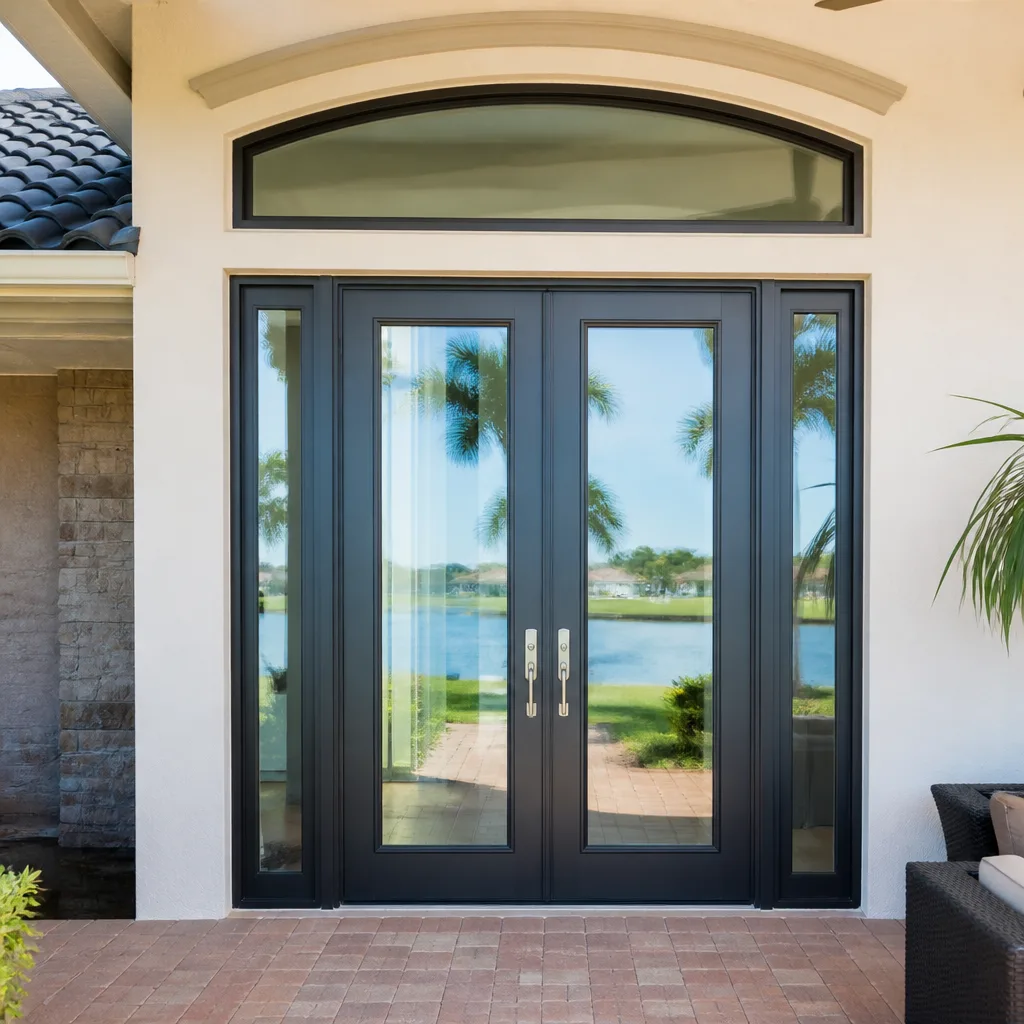
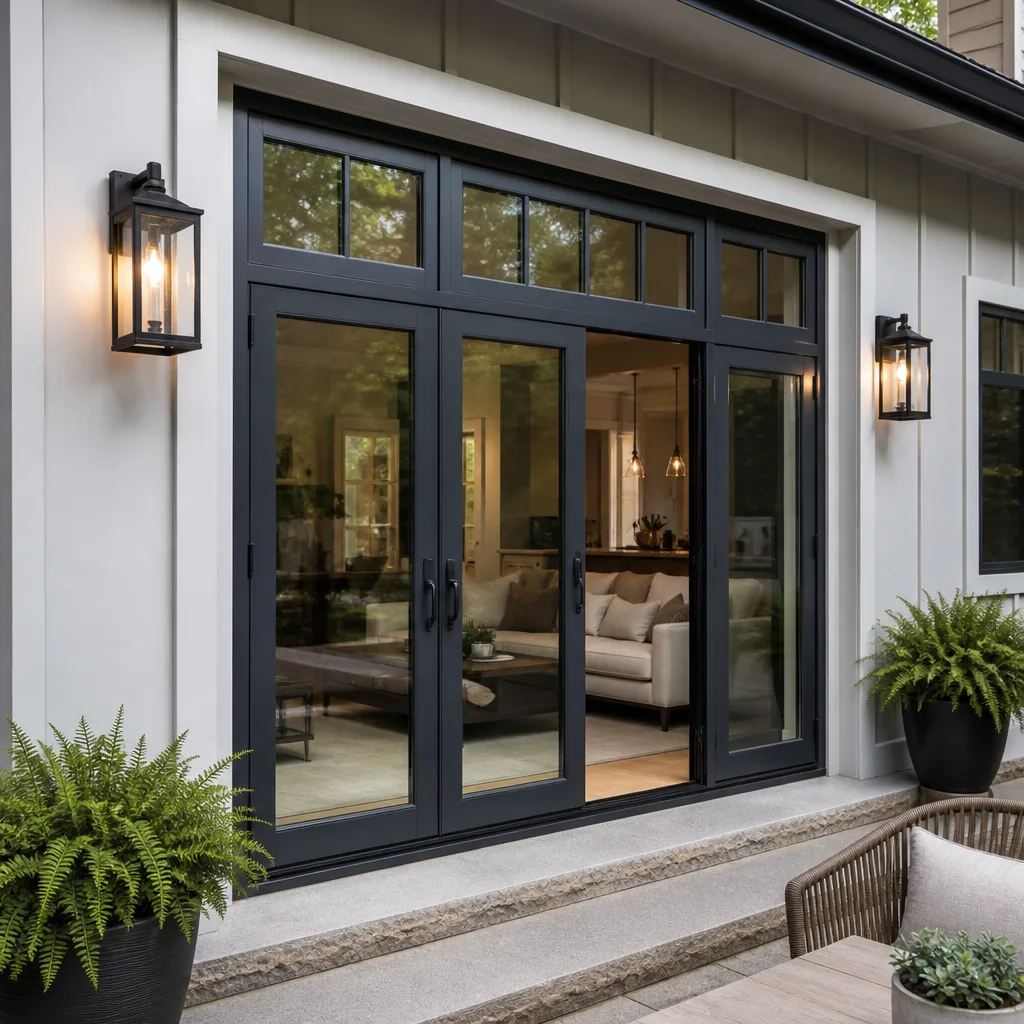
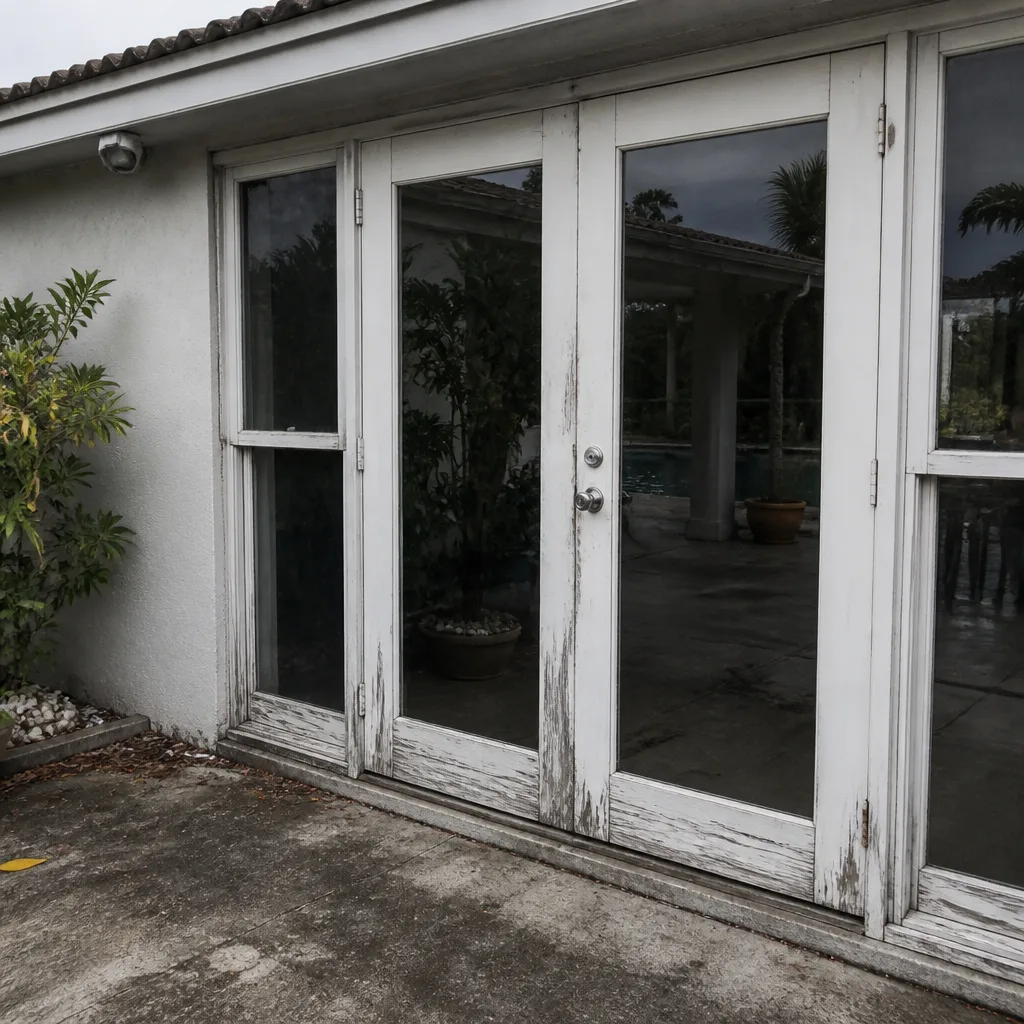 Before
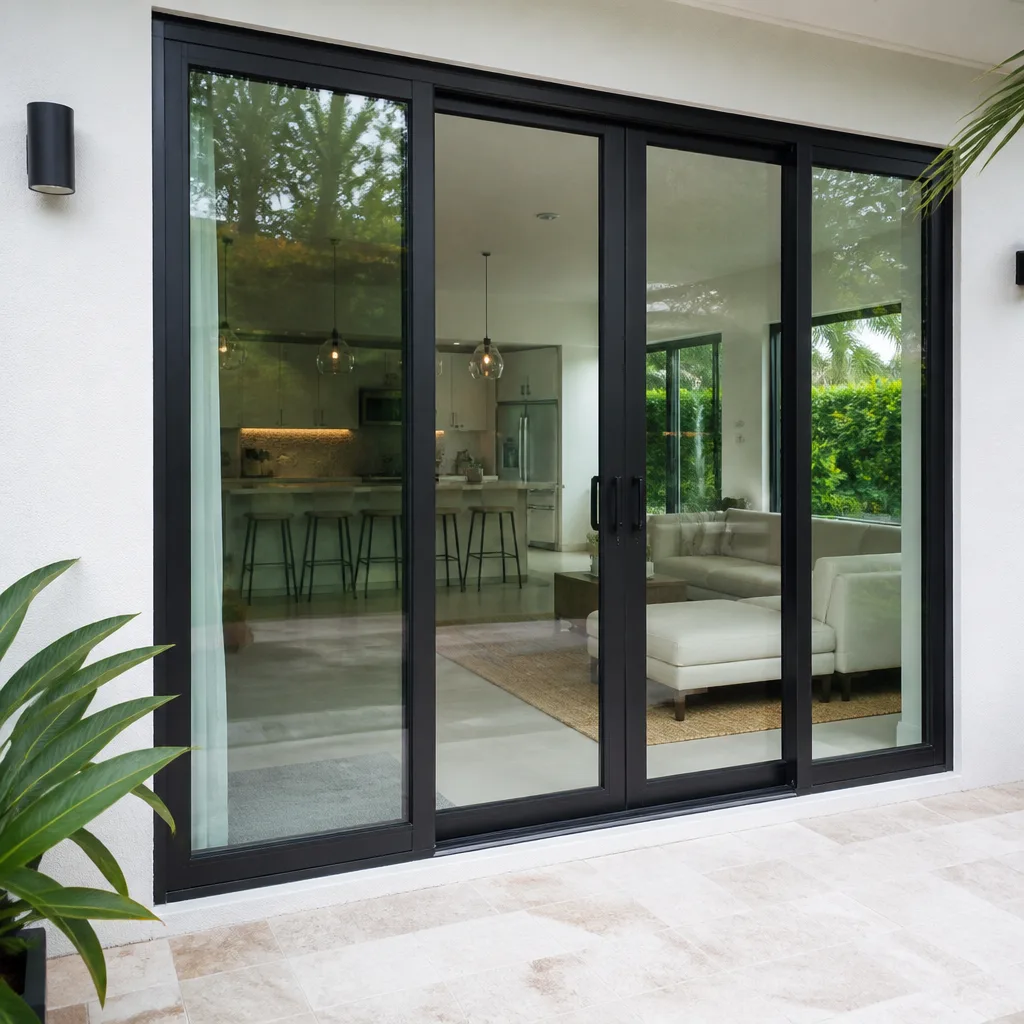 After
After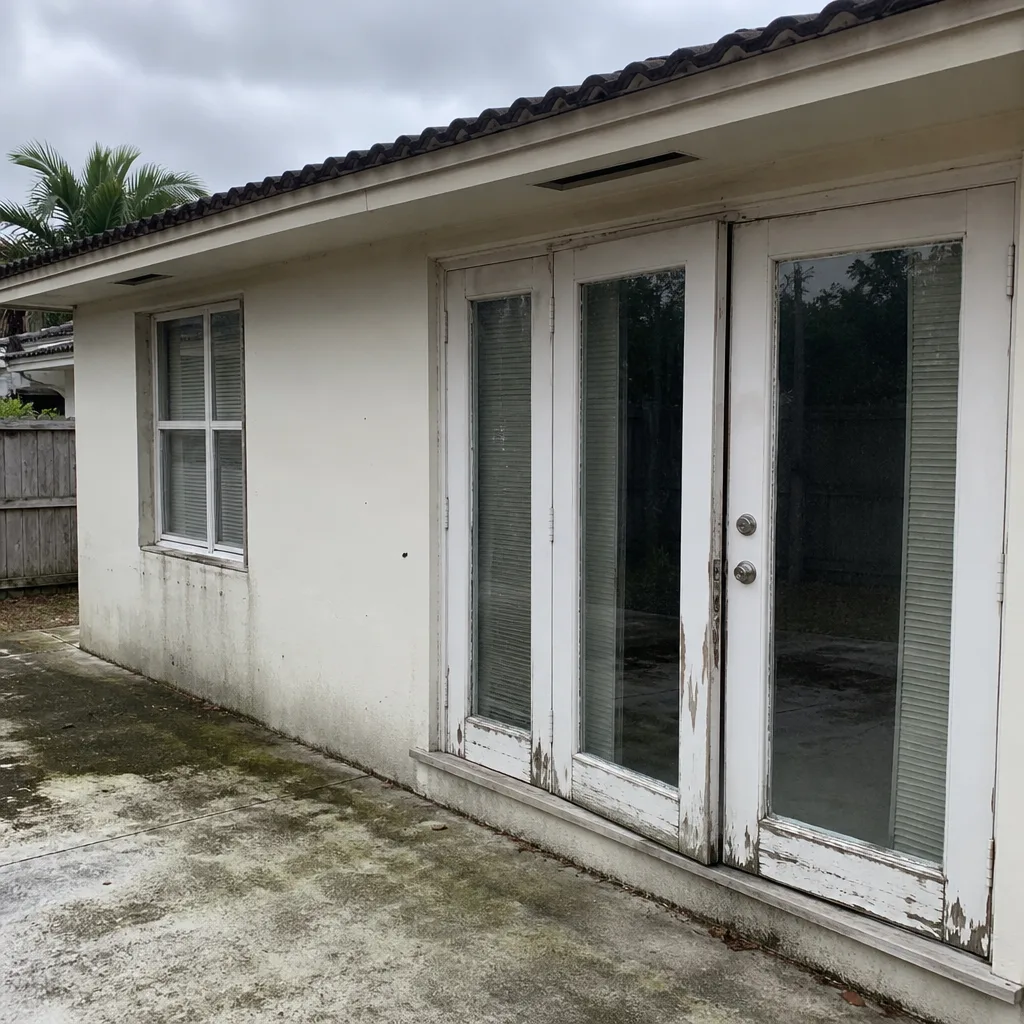 Before
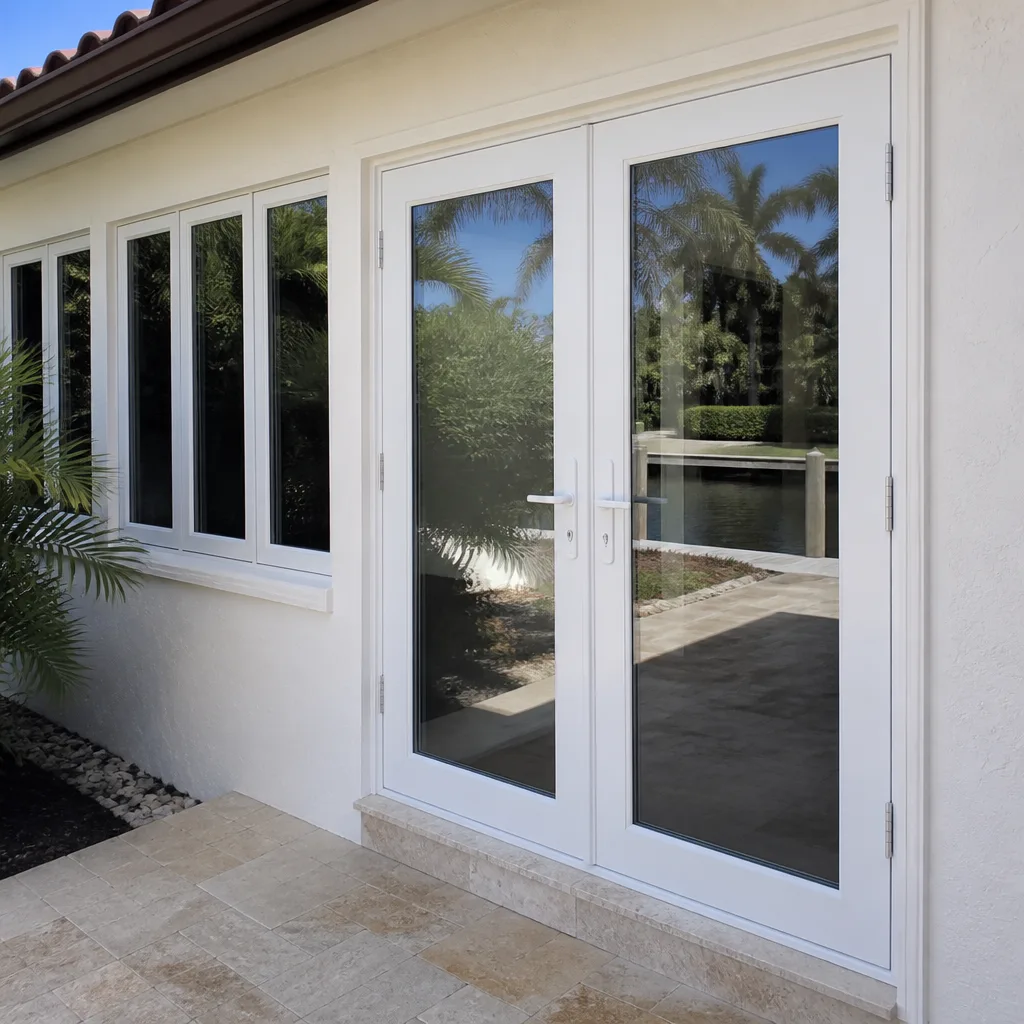 After
After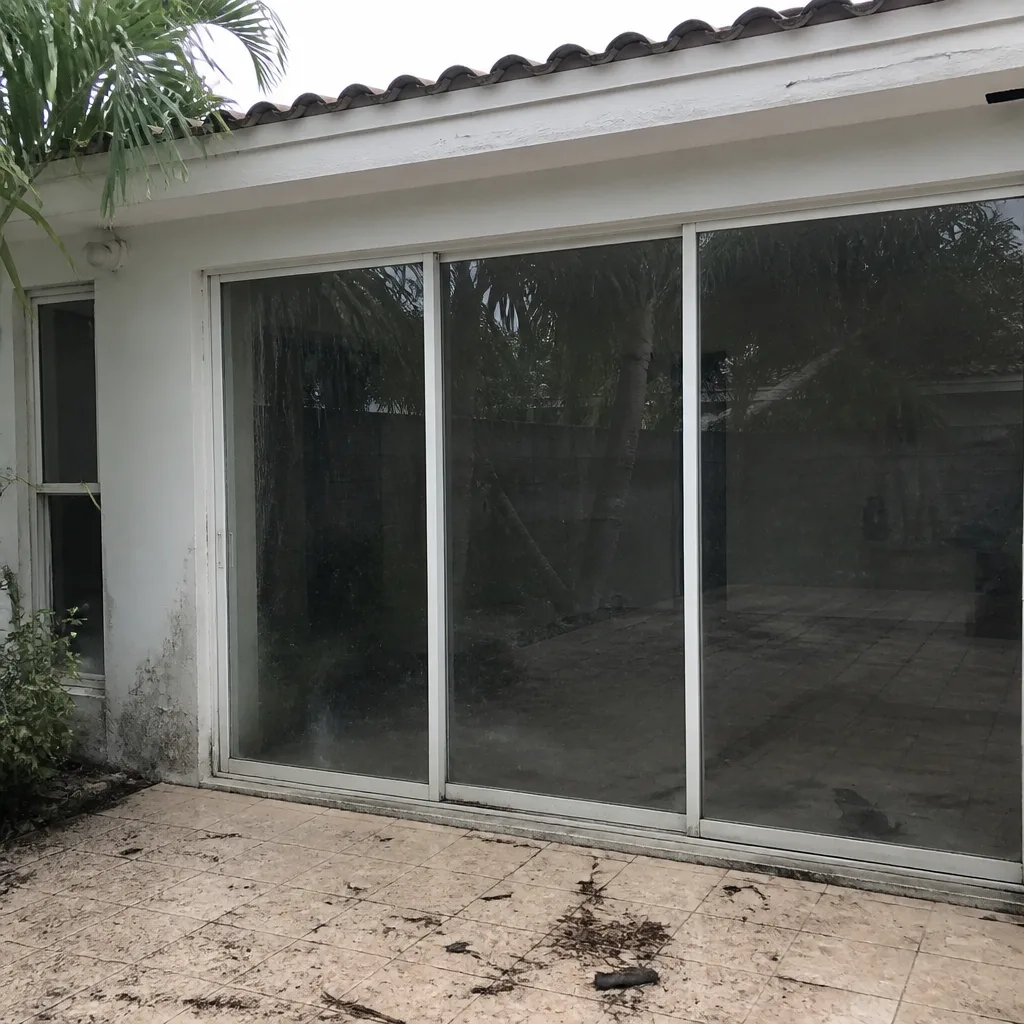 Before
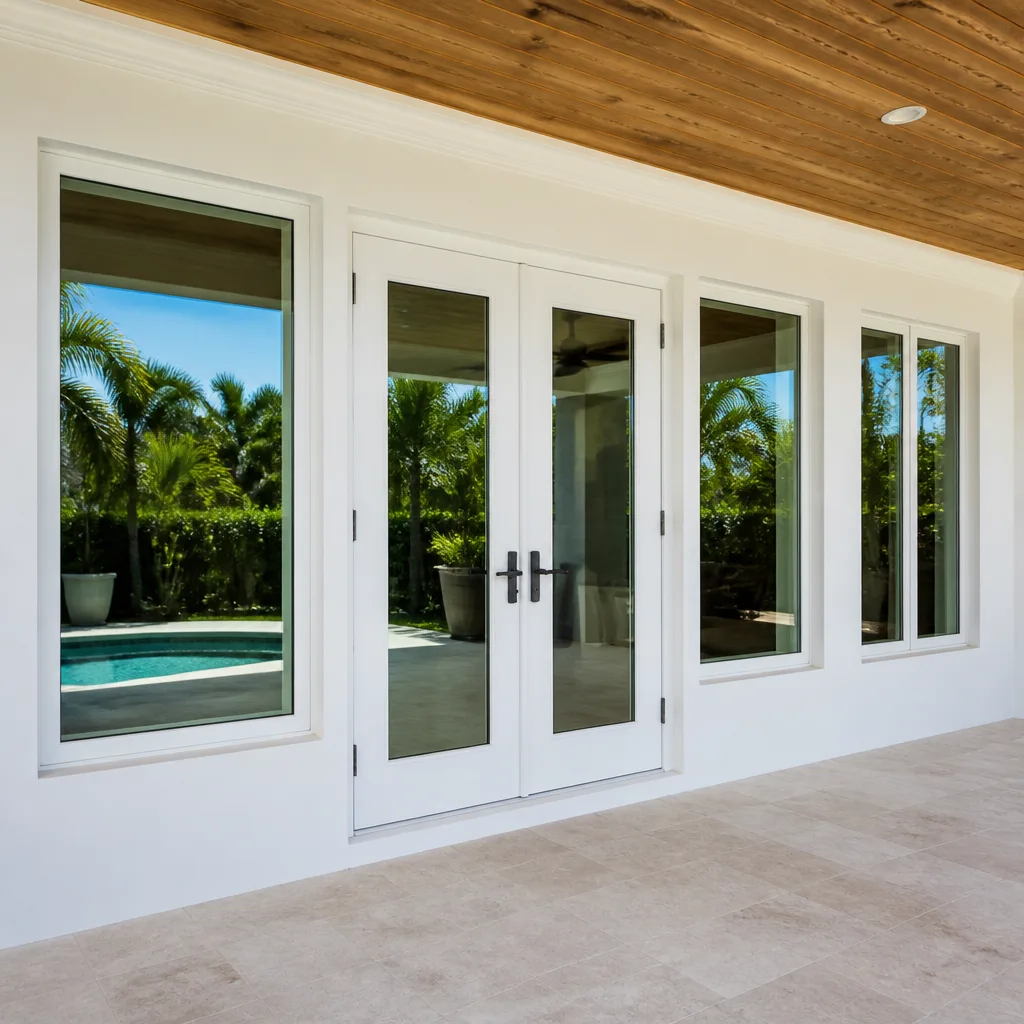 After
AfterCGI Roof Repair in Miami: What to Know First
CGI roof repair in Miami typically runs between $450 and $2,800 depending on whether the failure is in the glass unit, the frame, the anchoring system, or the flashing around the opening. Most CGI repairs on single openings are completed in one visit, though hurricane-code anchoring work on older installations can take two. We’re an independent CGI service provider - not a manufacturer warranty agent - so our first job is an honest diagnostic, not a sales pitch for replacement. This page is for homeowners who own CGI windows, skylights, or roof-glazing systems and want to know what’s actually wrong before anyone touches the opening. If you have water coming in, a cracked lite, a fogged unit, or a CGI product that won’t seal properly, call (561) 489-4036 and we’ll walk through what you’re seeing.
Key Takeaways:
- CGI roof-glazing and skylight failures in Miami are usually water-intrusion or seal failures, not glass breakage
- Parts availability depends on the CGI series - older lines have longer lead times
- Independent repair does not void the manufacturer warranty when done correctly with the right parts
- We register our work and document every step in writing, true to The Keystone Standard
How CGI Products Fail - and How We Fix Them
CGI builds a heavily engineered product line, but Miami’s climate exposes weaknesses no manufacturer brochure mentions. Here’s what we see most often on roof applications and how we address each one.
- Sentinel Series HX laminated glass delamination at the roofline. The Sentinel HX line uses a multi-layer laminate that handles impact well but can begin separating at the top edge after years of direct sun exposure on shallow-pitch roofs. The symptom is a milky band along the upper glass edge. We replace the lite with OEM-grade laminate and address the drainage pitch so water doesn’t pool against the seal line.
- Estate Collection frame seal failure from thermal cycling. CGI’s Estate Collection frames are robust, but the silicone-wedged gasket system around the glazing pocket can compress unevenly when roof-mounted units face 40-degree temperature swings between afternoon sun and evening rain. Water wicks in behind the gasket. We pull the stop, inspect the glazing pocket for corrosion, and set a new gasket with proper compression to restore the original seal.
- CGI 960 Series skylight flashing separation. The 960 Series skylight relies on a stepped flashing detail that works well when installed correctly, but Miami’s near-daily thermal expansion causes caulk-only installs to fail within five to seven years. The flashing lifts at the corners and water follows the frame into the curb. We remove the old flashing, inspect the curb for rot, and rebuild the flashing with a mechanical break-metal detail rather than caulk alone.
- Anchor-point wallowing on older CGI fixed-roof glazing. This is common on CGI products installed before the 2010 code cycle. The frame anchors into the roof curb with lag bolts that wallow loose over time as the building breathes. The window doesn’t leak at first - it simply stops seating flat, and then the seal fails. We re-anchor with epoxy-set fasteners to give the frame a solid mechanical seat.
- Weep-hole blockage on OceanView models. CGI OceanView frames have narrow weep channels at the sill. In Miami, wind-driven rain carries pollen, salt, and fine debris directly into those channels. When they clog, water backs up into the frame and eventually the interior. The fix sounds simple - clear the weeps - but it has to be paired with a drainage assessment so the channels slope away from the occupied space.
One detail worth knowing: many of these failures are technically repairable, but the repair quality depends entirely on the person doing the work. We treat every CGI opening as an engineered system, not a pane of glass in a hole.
Our CGI Roof Repair Process
- 1
Call and describe what you’re seeing. You’ll speak to a live person. We ask about the age of the product, the model line if you know it, where the water is appearing, and whether this has happened before.
- 2
On-site diagnostic. A background-checked, uniformed technician arrives and inspects the opening from above and below. We measure the unit, check for frame deflection, inspect the flashing, and photograph everything. No repairs are performed until we can explain the cause in plain English.
- 3
Parts decision. We determine whether the repair calls for OEM CGI components or a quality equivalent. OEM parts preserve the cleanest warranty path, but lead times on older CGI series can stretch to six or eight weeks. When that’s the case, we tell you the timeline honestly and offer a performant alternative if one exists.
- 4
Written quote before work begins. You receive a line-item price with no vague allowances. The number we quote is the number on the bill.
- 5
The repair. We pull the necessary components, set the new materials to specification, and re-seal every interface in the correct order. For roof work, we also check adjacent openings while we’re up there, because a second CGI unit often shows early signs of the same failure.
- 6
Test and document. We water-test the opening before we clean up. We register both labor warranty information and any manufacturer warranty documentation in writing before the truck leaves the driveway. If something isn’t right, we redo it - that’s the 90-Day Done Right Promise.
What CGI Roof Repair Costs in Miami
Here are the ranges we see for common CGI roof repair scenarios in Miami:
| Repair Type | Typical Range |
|---|---|
| Weep clearance and sill drainage correction | $185 - $340 |
| Flashing rebuild on a single roof curb | $850 - $1,600 |
| Single laminated lite replacement (Sentinel HX, Estate Collection) | $1,200 - $2,800 |
| Gasket and glazing-pocket rebuild per opening | $450 - $950 |
| Anchor re-seating and frame refit | $700 - $1,400 |
Price moves with access difficulty (roof pitch, second-story curbs, parapet work), whether the unit is on the older or newer CGI platform, and whether we need a lift or can work from ladders. Parts cost is also a factor: OEM CGI components for discontinued series cost more and take longer. We’ll give you a written line-item quote before any work starts, and we honor it. Call (561) 489-4036 for a free estimate on your CGI repair.
Why Miami Homeowners Call TruePane Windows & Doors for CGI Work
We’ve been serving South Florida communities for over 42 years, and Dale Kessler founded TruePane in 2008 on a principle that hasn’t changed: measure twice, order once, and put everything in writing. We work on CGI products alongside PGT, CWS, ES Windows, and ECO Window Systems, which means our technicians understand how different impact-rated lines are built and how they fail differently. When we quote a CGI repair, we show you the parts and the labor as separate lines, because that’s a square deal. Every job is covered by our 90-Day Done Right Promise and The Keystone Standard - both warranty layers registered in writing before the truck leaves the driveway. If the pane is not true, the job is not done.
FAQs
No, provided the repair is performed correctly and documented. We take care to use parts and methods consistent with the original installation. Our work includes written documentation of what was repaired, what parts were used, and how the warranty path stays intact. If your CGI product is still under warranty, we’ll tell you before touching anything whether a manufacturer claim is the better route. Call (561) 489-4036 and we’ll assess where you stand.
Current-generation CGI series typically have parts available within one to three weeks. Older lines, particularly the pre-2010 fixed roof-glazing units, can take six to eight weeks for OEM components. We give you the timeline honestly. If a quality aftermarket part can do the job without compromising the seal or the warranty path, we’ll show you that option in writing and let you decide. For an exact lead time on your series, call (561) 489-4036.
Simple repairs - weep clearing, caulk joint re-sealing, minor gasket adjustments - can often be completed the day we diagnose them. More involved repairs, like flashing rebuilds or lite replacements, require a second visit once parts arrive. We’ll tell you before we start whether your job is a one-visit repair or a two-visit repair, so you’re never left waiting without knowing why. Call (561) 489-4036 to schedule a diagnostic.
Repair is almost always the better first move when the frame and glass are sound. We see too many Miami homeowners pushed toward full replacement when a $400 gasket rebuild or a $1,000 flashing correction would have restored the opening for another decade. Our rule is simple: if the frame is square, the glass is intact, and the failure is a seal, flashing, or anchoring issue, repair is on the table. When replacement is genuinely the right call, we’ll tell you that too and explain why in plain terms. Call (561) 489-4036 for an honest assessment.
Most repair work does not require a permit because we’re restoring the existing opening to its original condition. When code-compliant anchoring changes are needed - like re-anchoring a roof-glazing unit - we’ll advise you on the permit path and can manage that process for you. We don’t cut corners on code. Call (561) 489-4036 and we’ll tell you whether your specific repair triggers any permitting requirements.
Written by Dale Kessler, Owner, TruePane Windows & Doors at TruePane Windows & Doors, serving Miami and nearby areas.
Six Reasons Homeowners Choose TruePane Windows & Doors
Impact systems engineered to design pressures up to +/-100, matched to your wind zone - your openings hold when the storm arrives.
Low-E insulated impact glass from our manufacturer lines commonly cuts monthly cooling bills 20-30%.
Laminated impact glass shuts out up to 40% of outside noise - traffic, neighbors, weather.
Monitoring services run $30-90 a month. Laminated impact glass resists forced entry around the clock, with no subscription.
Florida homeowners average around 25% savings on the windstorm portion of their policy after protecting every opening - some homes qualify for more.
A full impact package upgrades curb appeal, buyer confidence and appraised value in one project.