Free in-home measure and quote - PGT, CGI and CWS impact lines compared on your actual openings, style by style
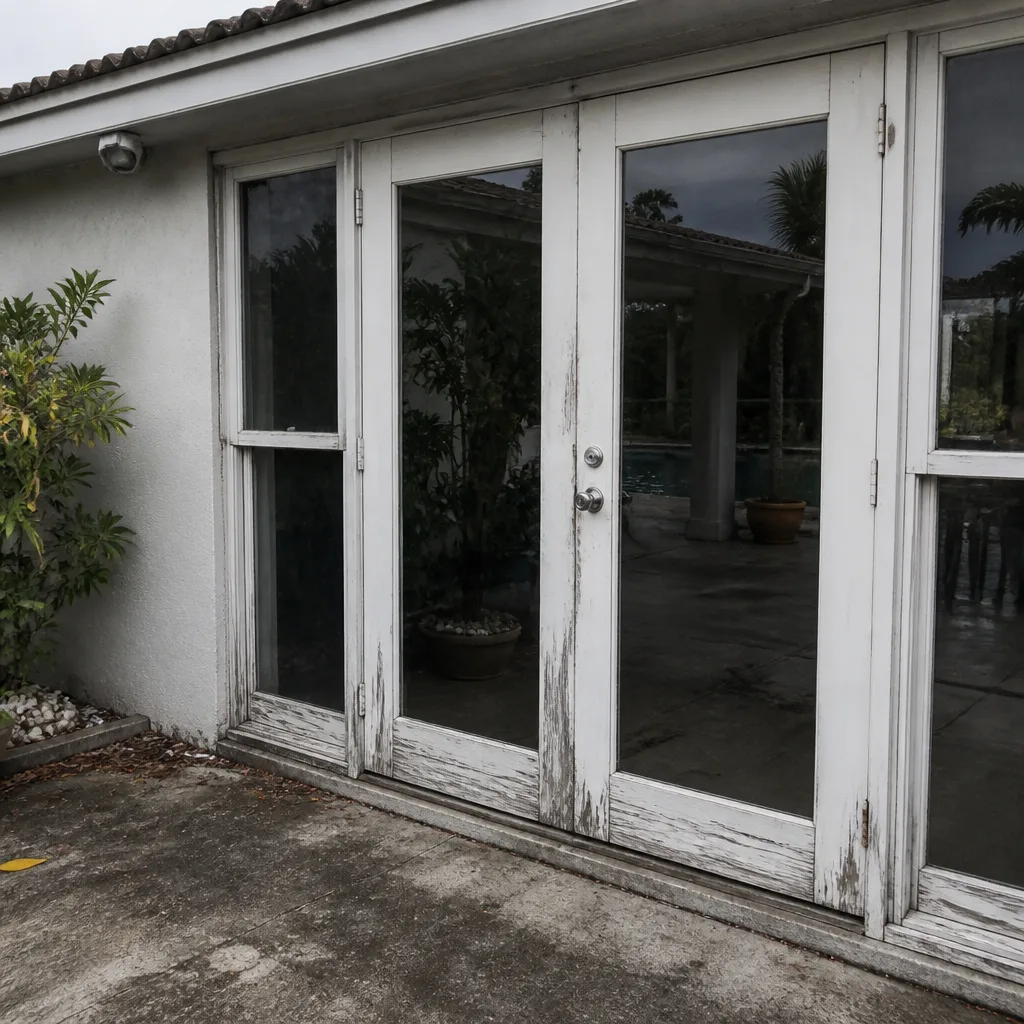 Before
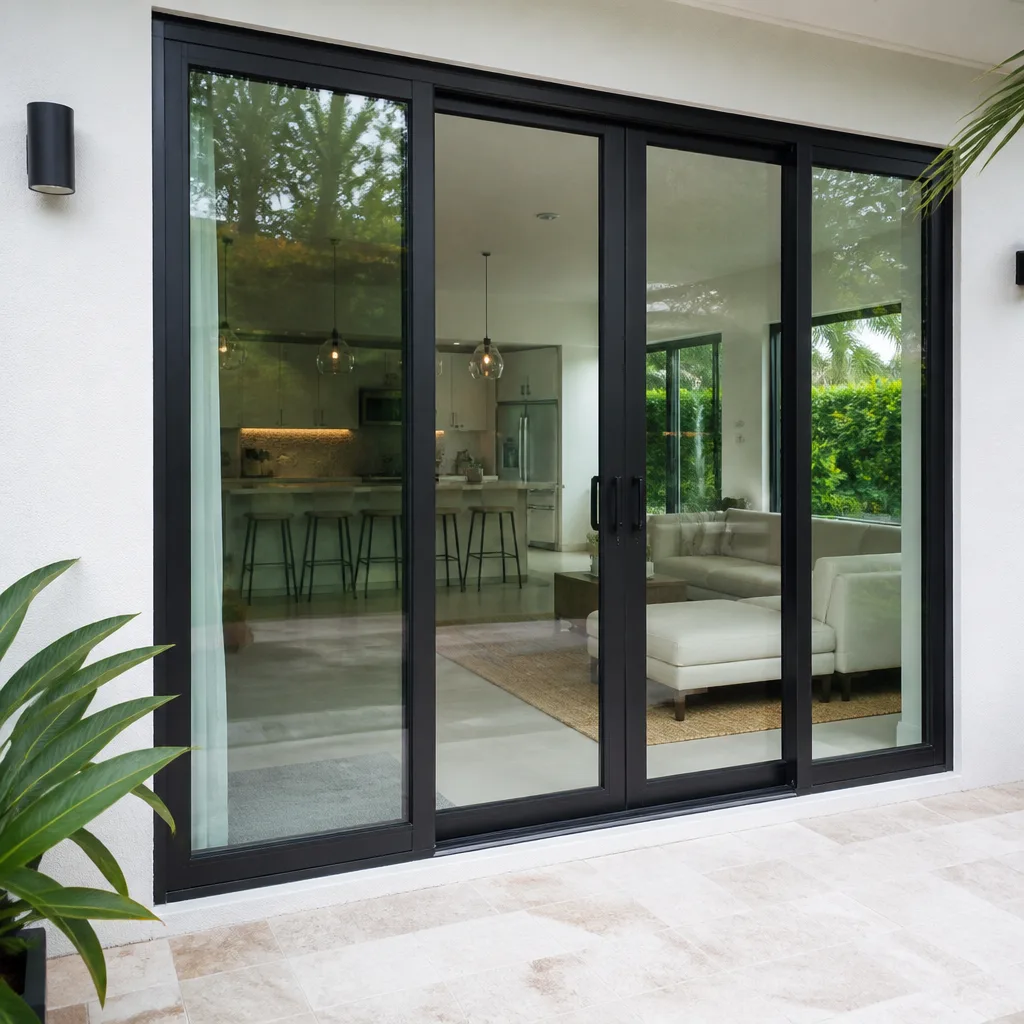 After
After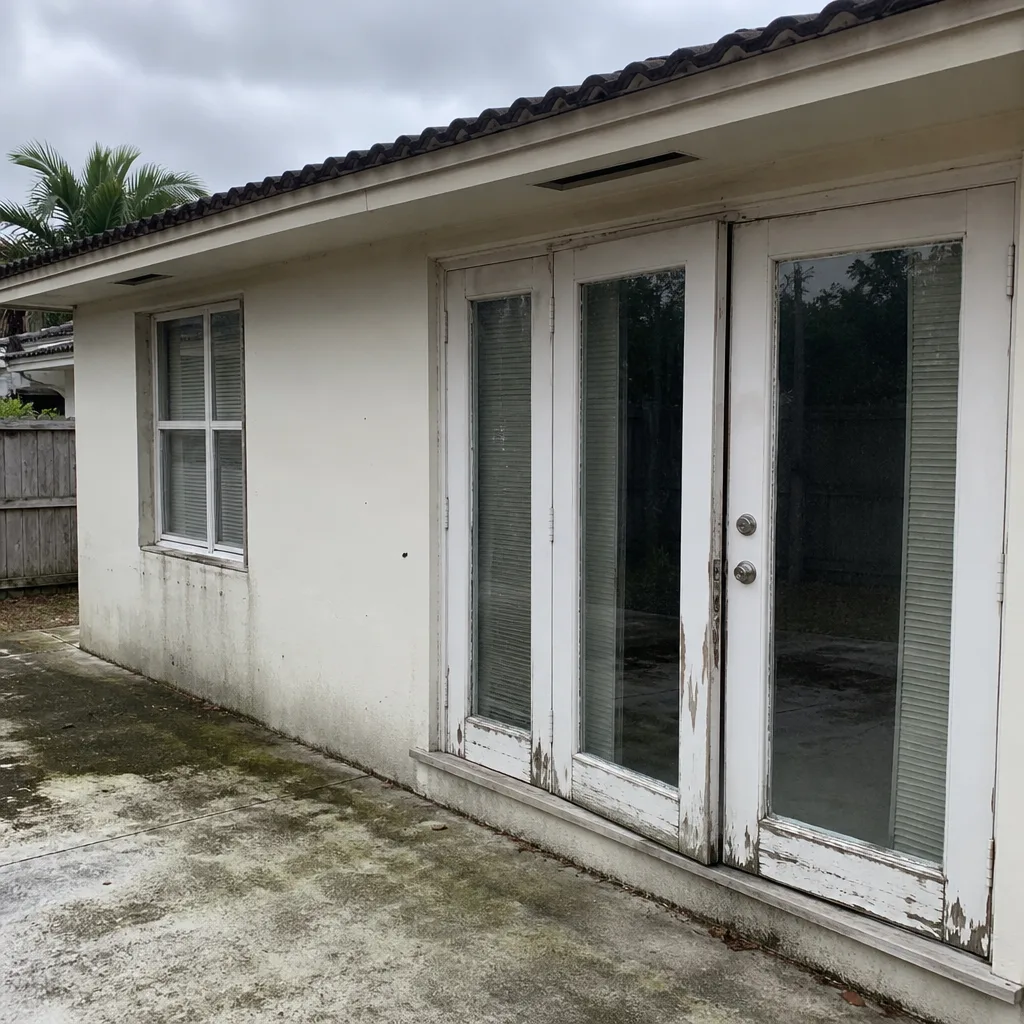 Before
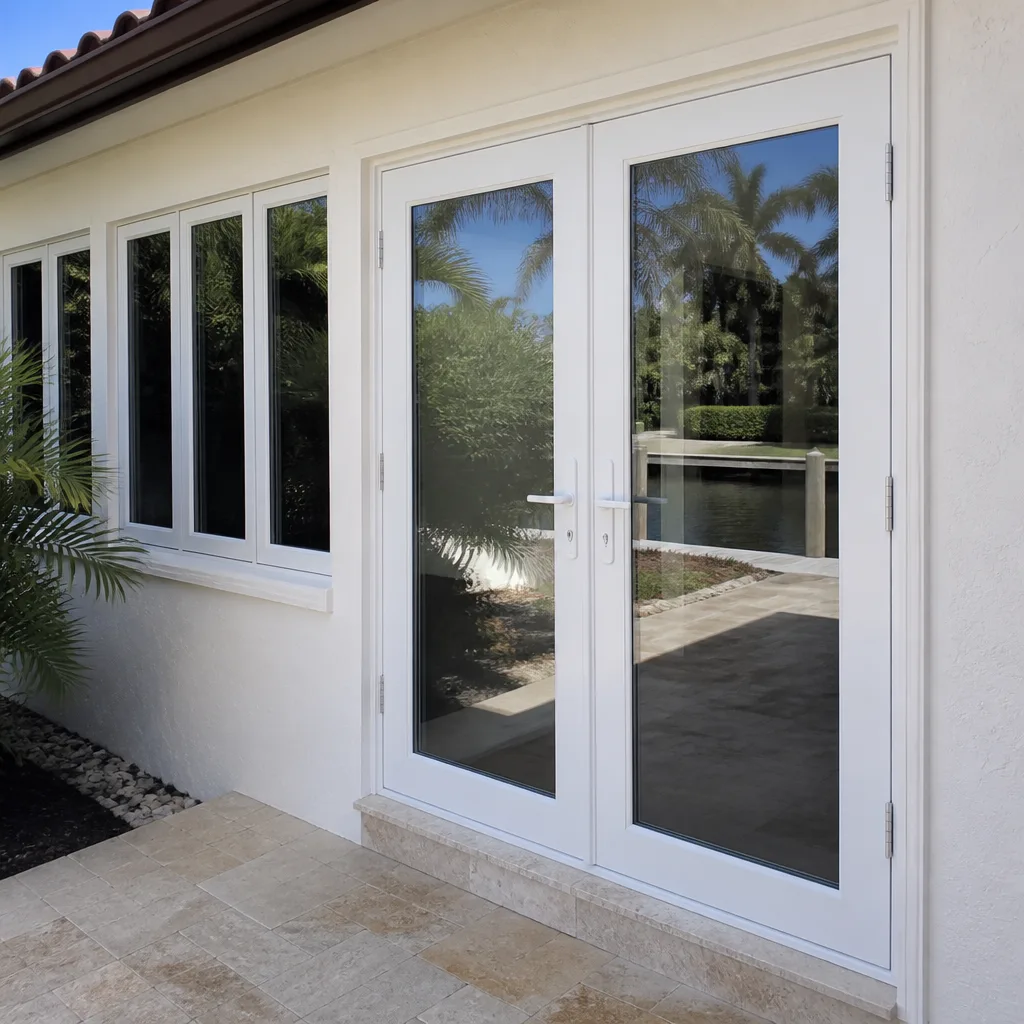 After
After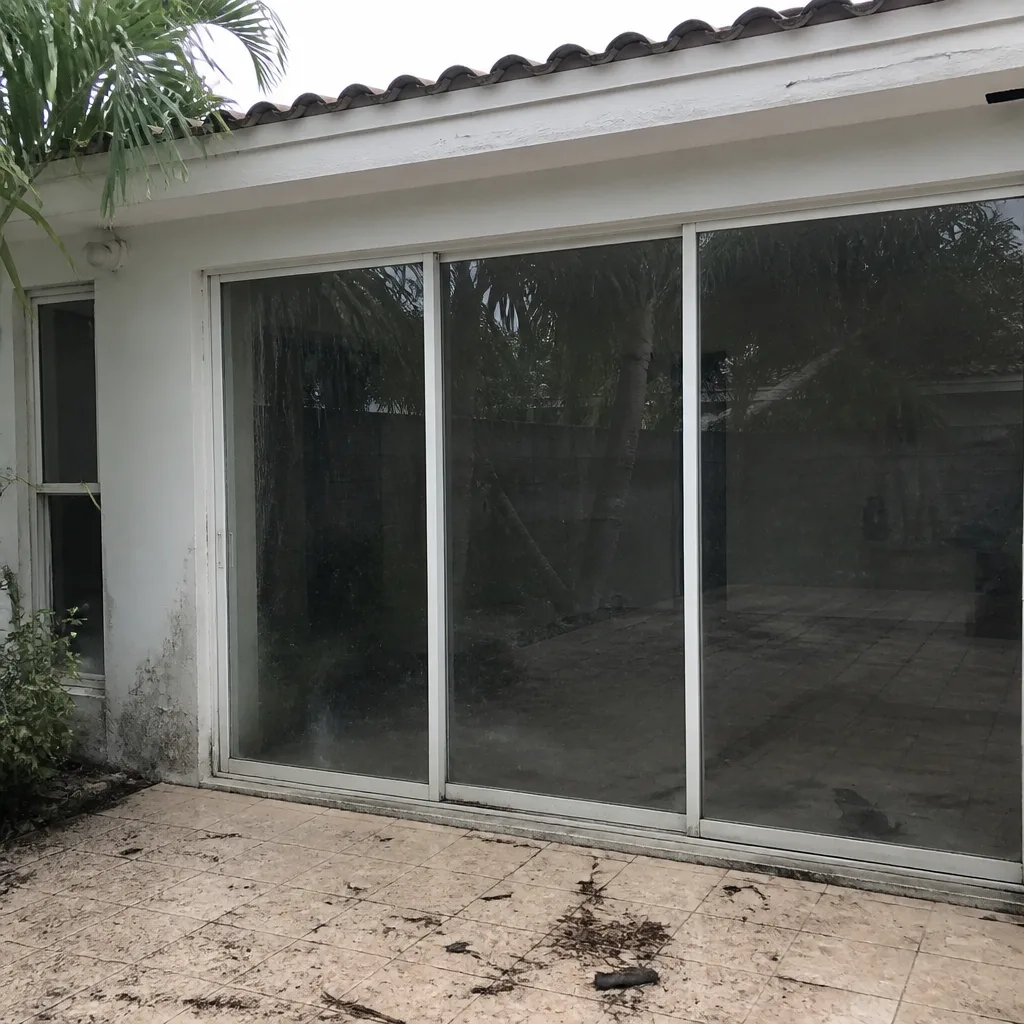 Before
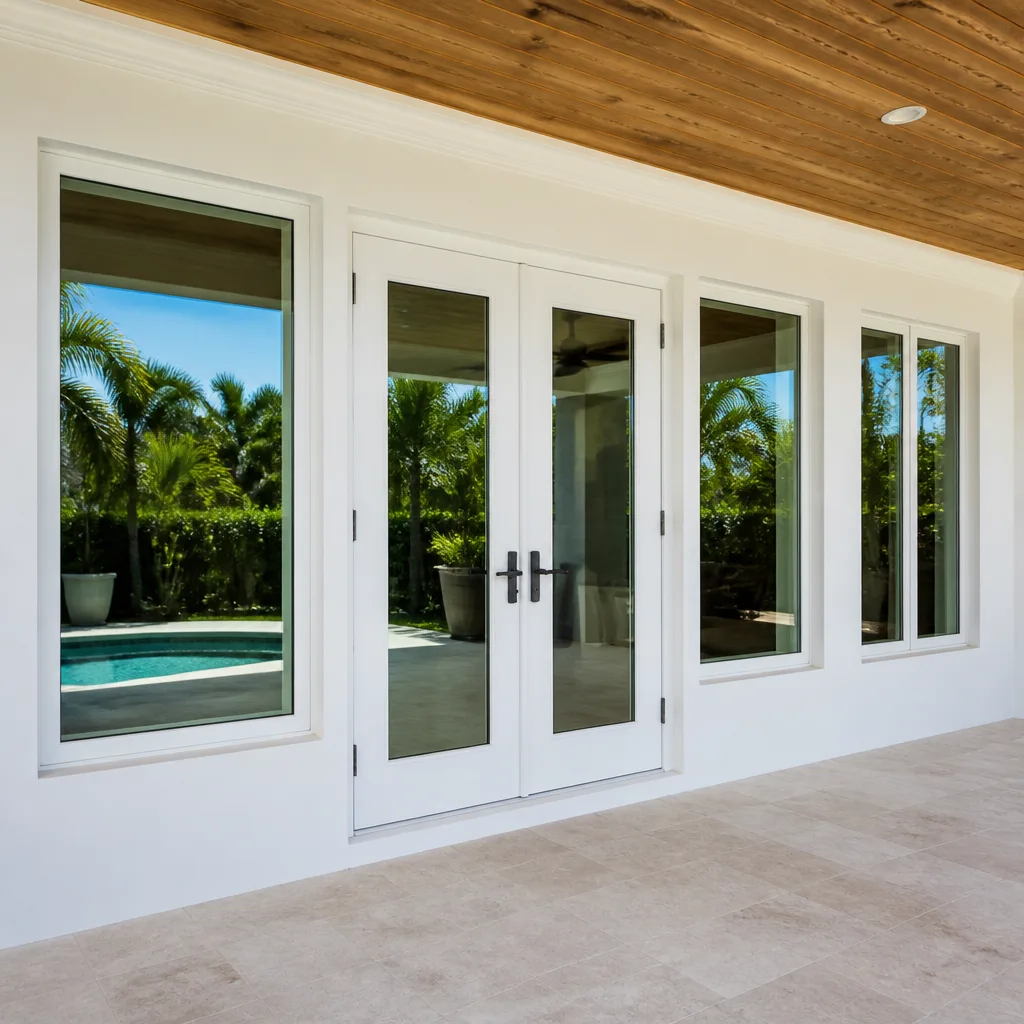 After
AfterBay & Bow Windows in Miami, FL | TruePane Windows & Doors
Bay and bow windows are the architectural feature that turns an ordinary room into the one everyone gravitates toward. These projecting, multi-panel configurations add real interior square footage, wrap a space in natural light, and create panoramic sightlines that flat windows simply can’t match. For Miami homeowners, the catch has always been the same: can a window this beautiful survive hurricane season? With laminated impact glass frames engineered to Florida Building Code HVHZ requirements, the answer is yes. TruePane Windows & Doors installs custom bay and bow configurations across Miami, from Coconut Grove to Pinecrest, and we build each one to your specific wind zone. Call (561) 489-4036 to talk through your project.
Product Overview - Bay & Bow Windows
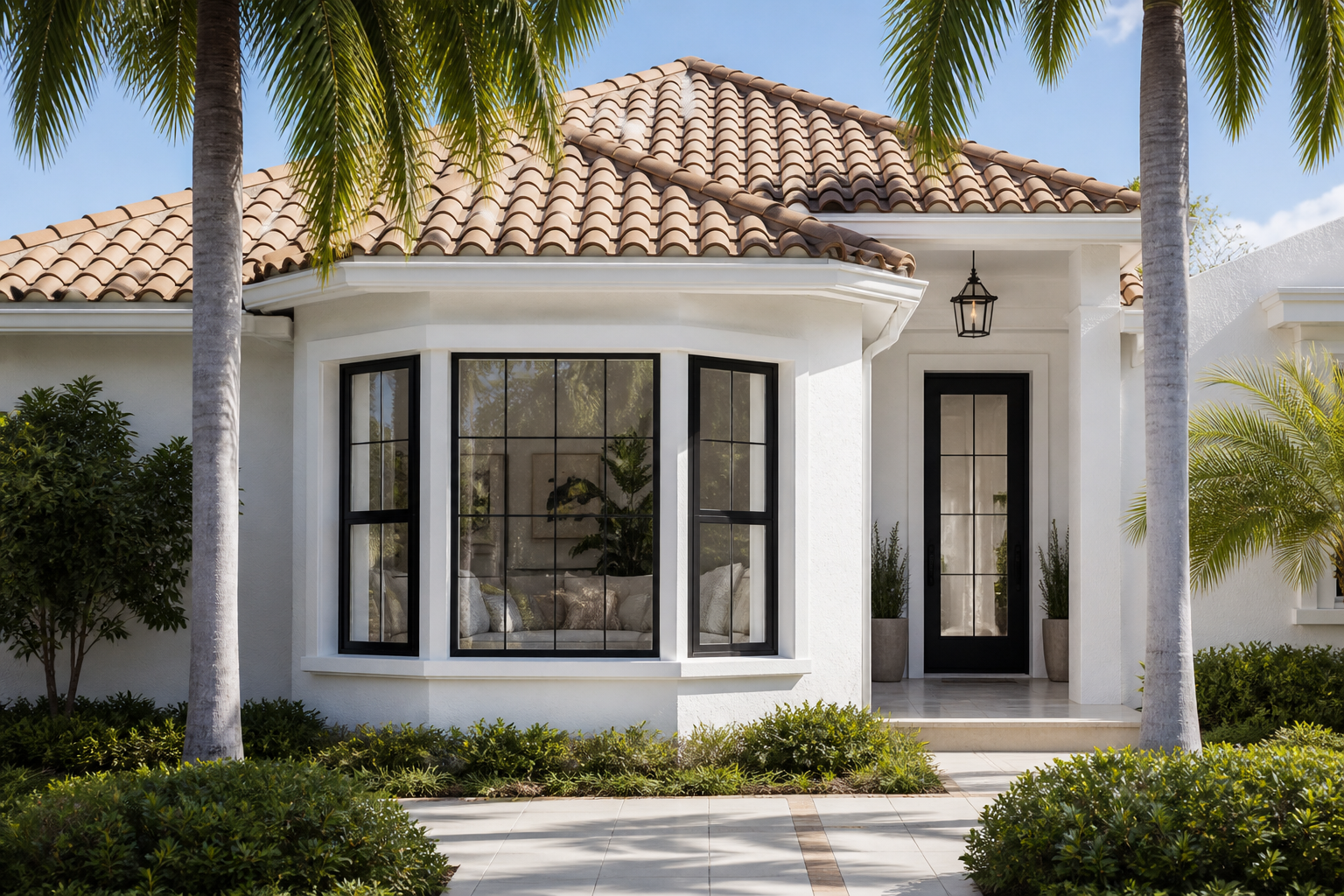
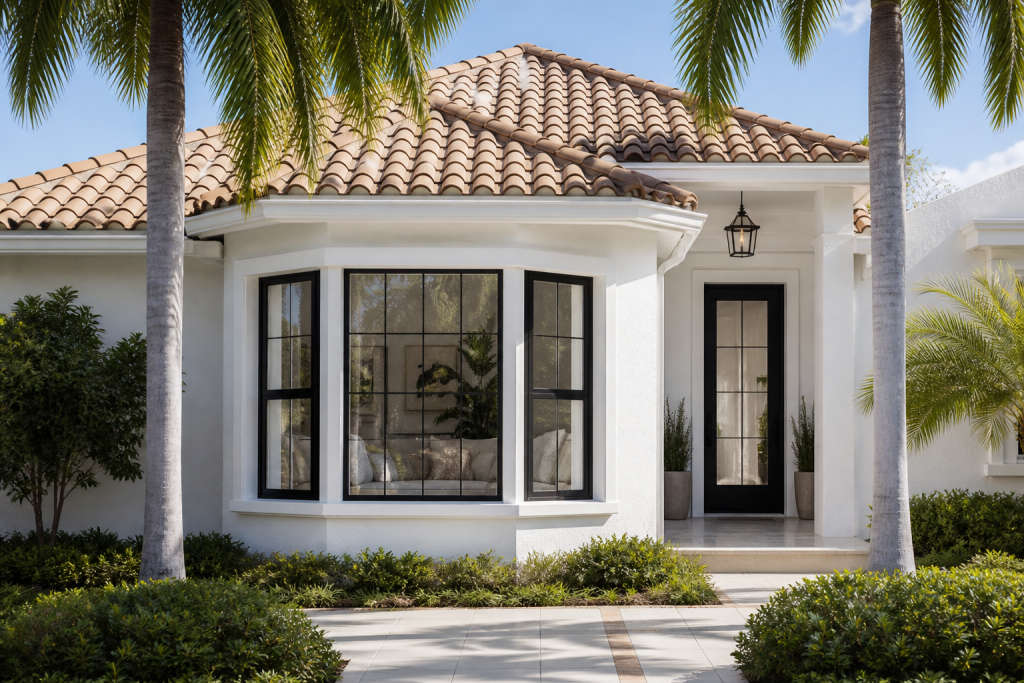
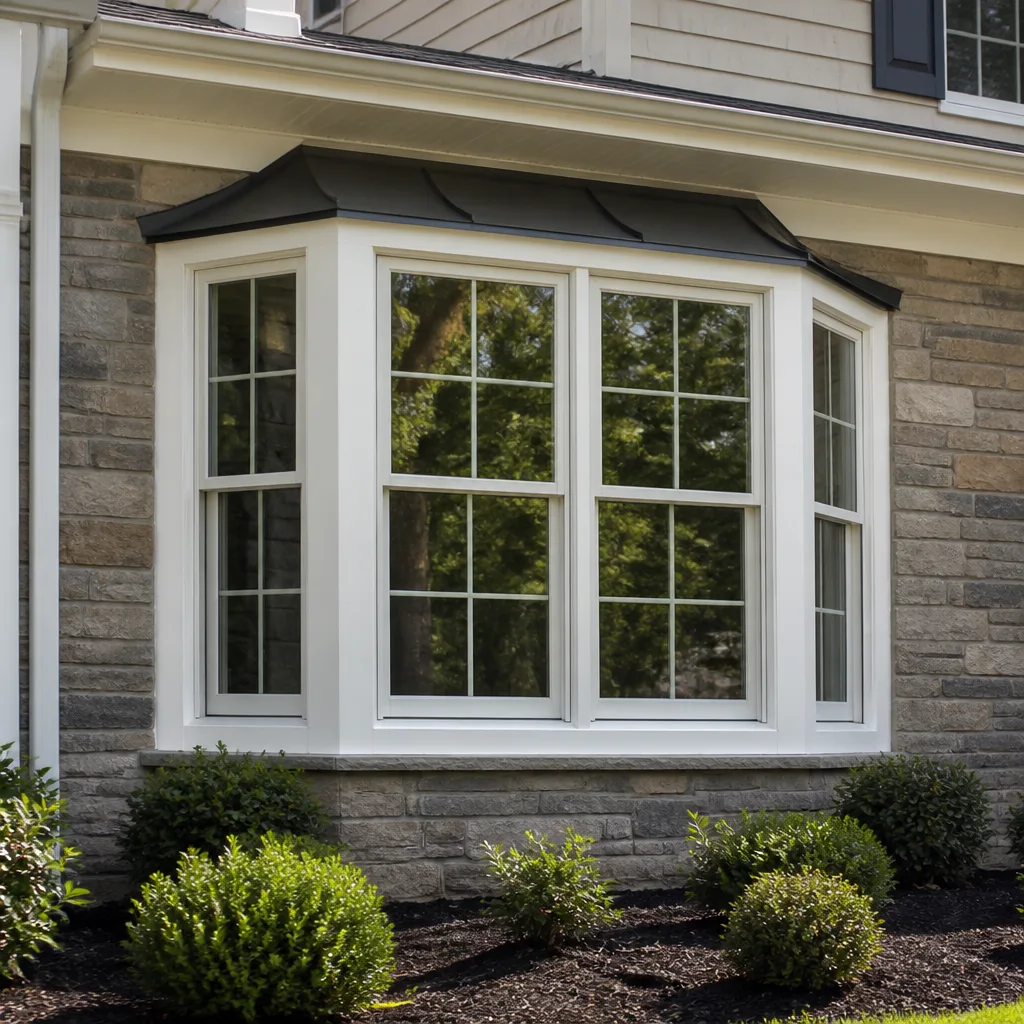
A bay window is typically a three-panel projection: a large center picture window flanked by angled side windows, usually at 30 or 45 degrees. A bow window uses four, five, or even six panels arranged in a gentle arc, creating a rounded profile. Both styles push outward from the exterior wall, which is exactly what makes them so desirable, and exactly what makes them demanding from an engineering standpoint in South Florida.
Here’s what matters for Miami specifically. A projecting window is essentially a small room hanging off the side of your house. It catches wind from multiple angles, bears load differently than a flush-mounted window, and needs a seat or support structure that can handle decades of tropical weather. The frame has to be rigid. The glass has to be impact-rated. The installation has to be dead-level and anchored correctly, or the whole assembly becomes a liability in a storm. TruePane Windows & Doors fabricates these configurations in aluminum and vinyl, with laminated impact glass that holds the pane together under missile impact. We work with PGT, CGI, CWS, ES Windows, ECO, and Mr-Glass lines, selecting the right frame system for the size, projection depth, and wind zone of each opening. The result: added interior square footage and panoramic sightlines engineered to your wind zone, not to a generic national standard.
Technical Specifications
Every bay and bow window we sell in Miami is custom fabricated to the opening. There is no stock size, and that’s a good thing. Your rough opening, your projection depth, your roofline, your wind zone, all get accounted for before a single frame member is cut.
- Frame materials: Aluminum or vinyl. Aluminum offers the slimmest sightlines and the most structural rigidity for deep projections. Vinyl provides excellent thermal performance and a lower-maintenance finish for coastal homes.
- Glass options: Laminated impact glass with a PVB interlayer, Low-E insulated glass, tinted glass, or clear glass. Laminated impact glass is the hurricane-rated core; Low-E and tint options layer on energy performance and glare control.
- Finish options: White, almond, bronze, black, and tan. Powder-coated or factory-applied finishes hold up to salt air significantly better than site-painted wood.
- Sill options: Standard sill or seat/shelf sill. The seat/shelf sill creates that deep window ledge where people put plants, books, or a morning coffee cup.
- Size range: Custom fabricated to the opening, with no arbitrary maximum panel count. We’ve built bow windows with six panels where the structural math and the NOA approval support it.
- Design pressure: Matched to your wind zone, up to +/-100. We never overstate the rating; the number on your quote reflects the actual tested configuration.
Hurricane & Compliance Performance
If you buy a bay or bow window in Miami without verifying hurricane compliance, you’re buying an expensive problem. Here’s what matters, and what we verify on every project.
Laminated Impact Glass
Laminated impact glass uses a PVB (polyvinyl butyral) interlayer sandwiched between two panes of glass. Under impact, the glass may crack, but the interlayer holds the pane in the frame. That’s the entire point. It’s not about keeping the window unbroken; it’s about keeping the building envelope sealed during and after the storm.
Miami-Dade NOA / Florida Product Approval
NOA stands for Notice of Acceptance. It’s the document Miami-Dade County issues when a specific product configuration has passed its testing protocol. Florida Product Approval is the statewide equivalent. Both are issued per configuration, which means we verify the exact approval number on your specific quote before you commit. No generic claims; you see the paperwork that applies to your job.
FBC / HVHZ Compliance
Miami sits inside the High-Velocity Hurricane Zone, the most demanding wind region in Florida. The Florida Building Code’s HVHZ section has its own structural, anchoring, and glazing requirements. Every bay and bow configuration we sell is engineered to FBC-HVHZ requirements. This is not optional in Miami, and it’s not something we treat as an upsell.
TAS 201 / 202 / 203 Testing Context
HVHZ-rated products are tested under the TAS protocol family. TAS 201 is large-missile impact; a section of lumber is fired at the glass to simulate wind-borne debris. TAS 202 is cyclic wind-pressure loading, which subjects the window to thousands of pressure cycles that mimic hurricane gusts. TAS 203 covers forced-entry resistance. These are the tests behind the NOA. Understanding them helps you read a product approval document and know what it actually proves.
Design Pressure for Your Wind Zone
Design pressure, or DP, is a PSF rating that measures how much wind pressure a window can withstand without structural failure. Our configurations are matched to the wind zone of your specific Miami property, up to +/-100. We never inflate the number and never label a wind speed as a design pressure. The DP on your quote reflects the tested configuration you’re buying.
Energy Performance Options
Low-E insulated glass and tinted glass options are available for bay and bow windows. Low-E coatings reflect solar heat while allowing visible light through. Tinted glass reduces glare. This matters in a projecting window, because all that extra glass area faces south or west on many Miami homes. The right glass package keeps the room from becoming a greenhouse in August.
Color & Glass Options
Miami’s architecture runs from 1920s Coral Gables Mediterranean to mid-century Coconut Grove modern to brand-new contemporary in Edgewater and beyond. Bay and bow windows need finishes that work with that range.
White is the clean, classic choice that reads crisp against stucco and pairs well with nearly every exterior. Almond and tan are warmer neutrals that feel natural on Mediterranean and Spanish-style homes where pure white can look too stark. Bronze and black are the strongest modern statement, and they’re increasingly popular on new construction and renovated waterfront properties. Dark frames visually recede, which puts the emphasis on the view rather than the frame.
On the glass side, the decision comes down to what you’re optimizing for. Laminated impact glass is the baseline: it’s the hurricane protection layer, required if you want the NOA. Low-E insulated glass adds a thermal barrier and is the right call for east or west-facing bow windows that catch heavy morning or afternoon sun. Tinted glass cuts glare and heat gain, often chosen for south-facing projections. Clear glass maximizes light transmission and is the choice when the view is the priority and energy performance is secondary. Many homeowners combine Low-E with laminated impact glass for a package that addresses both concerns.
Installation by TruePane Windows & Doors in Miami
A bay or bow window is only as good as the installation. This is true anywhere, but in Miami, it’s the difference between a watertight home and a slow leak that reveals itself in the next named storm. An NOA-rated window installed incorrectly is not an NOA-rated window anymore. The approval document assumes proper anchoring, sealing, and flashing.
Our installation process starts with a pre-install inspection. We measure the rough opening, check the existing framing, verify the seat or support structure that carries the projection, and confirm the wind zone against the property’s permit records. Then we set the window level, plumb, and square. That last part matters more than people realize; a bay window that’s off by half a degree will bind, sag, or leak over time. We anchor per the approved installation method, not per what’s convenient.
Perimeter sealing follows AAMA 812 practice, using low-expansion foam. The key word is low-expansion. High-expansion foam can bow a frame and wreck the reveal. After sealing, we install the exterior flashing and trim, then run a water test on the sill and seams. Cleanup happens the same day. We also handle the permitting paperwork for Miami-Dade and other HVHZ jurisdictions; if your municipality requires a NOA submittal with the permit application, we include it.
Miami-specific considerations matter here. Coastal exposure means salt air, which is why proper sealing and factory-applied finishes matter more than they do inland. Wind zone determines the required design pressure, which drives the frame system and anchoring. And permitting in Miami-Dade is stricter than anywhere else in the state. TruePane Windows & Doors has been navigating these requirements across years of Miami installations. We know what the building department will ask for, and we submit it the first time.
Frequently Asked Questions - Bay & Bow Windows
Design pressure is matched to the wind zone of your specific Miami property, up to +/-100. We never claim a rating higher than the tested configuration. The exact DP for your opening is determined during quoting, based on your address, opening size, and the frame and glass package you select. Call (561) 489-4036 to get the specific rating for your project.
Most bay and bow configurations run four to eight weeks from approved final measurements to delivery, depending on the manufacturer and whether the opening requires a custom-projected seat build. Custom fabrication is not a same-week product, and in Miami, it shouldn’t be. We’d rather ship a window that’s exactly right than one that shows up fast and fights the installer. Call (561) 489-4036 to get a current lead time for your configuration.
In nearly every Miami-Dade municipality, yes. The building department will ask for the product approval documentation as part of the permit package. TruePane Windows & Doors includes the applicable NOA or FL Product Approval paperwork with every quote and permit submittal, matched to your specific configuration. You won’t be digging through a manufacturer website trying to find the right document. Call (561) 489-4036 and we’ll walk you through what your municipality requires.
Yes. Every bay and bow window we sell is custom fabricated to the opening. Panel count, projection depth, angles, sill type, finish color, and glass package are all selected per project. There is no catalog size you have to squeeze into. The structural math and the NOA approval have to support your configuration, which is where our experience in Miami wind zones comes in. Call (561) 489-4036 to discuss what works for your opening.
For aluminum frames, rinse with fresh water every few months, especially if you’re within a few blocks of salt water. Salt accumulates on the finish and eventually works into the hardware. For vinyl frames, mild soap and water handles most buildup. Avoid abrasive cleaners and pressure washing at close range, which can damage the finish or drive water into the sealant line. Keep the weep holes clear of debris. If you notice condensation between panes on an insulated unit, call us; that signals a failed seal. Call (561) 489-4036 if you have a maintenance concern on an existing installation.
Get a Quote - Bay & Bow Windows in Miami
A bay or bow window changes how a room feels, and in Miami, it also has to change how the house performs in a hurricane. TruePane Windows & Doors installs custom bay and bow configurations with laminated impact glass, built to the approval documents and installed to the standard. Call (561) 489-4036 to schedule a free on-site measurement and get a written, line-item quote for your project.
Written by the team at TruePane Windows & Doors, serving Miami, FL.
Six Reasons Homeowners Choose TruePane Windows & Doors
Impact systems engineered to design pressures up to +/-100, matched to your wind zone - your openings hold when the storm arrives.
Low-E insulated impact glass from our manufacturer lines commonly cuts monthly cooling bills 20-30%.
Laminated impact glass shuts out up to 40% of outside noise - traffic, neighbors, weather.
Monitoring services run $30-90 a month. Laminated impact glass resists forced entry around the clock, with no subscription.
Florida homeowners average around 25% savings on the windstorm portion of their policy after protecting every opening - some homes qualify for more.
A full impact package upgrades curb appeal, buyer confidence and appraised value in one project.
Other TruePane Windows & Doors Services
What Neighbors Say About TruePane Windows & Doors
Detailed Images