
Free in-home measure and quote - PGT, CGI and CWS impact lines compared on your actual openings, style by style
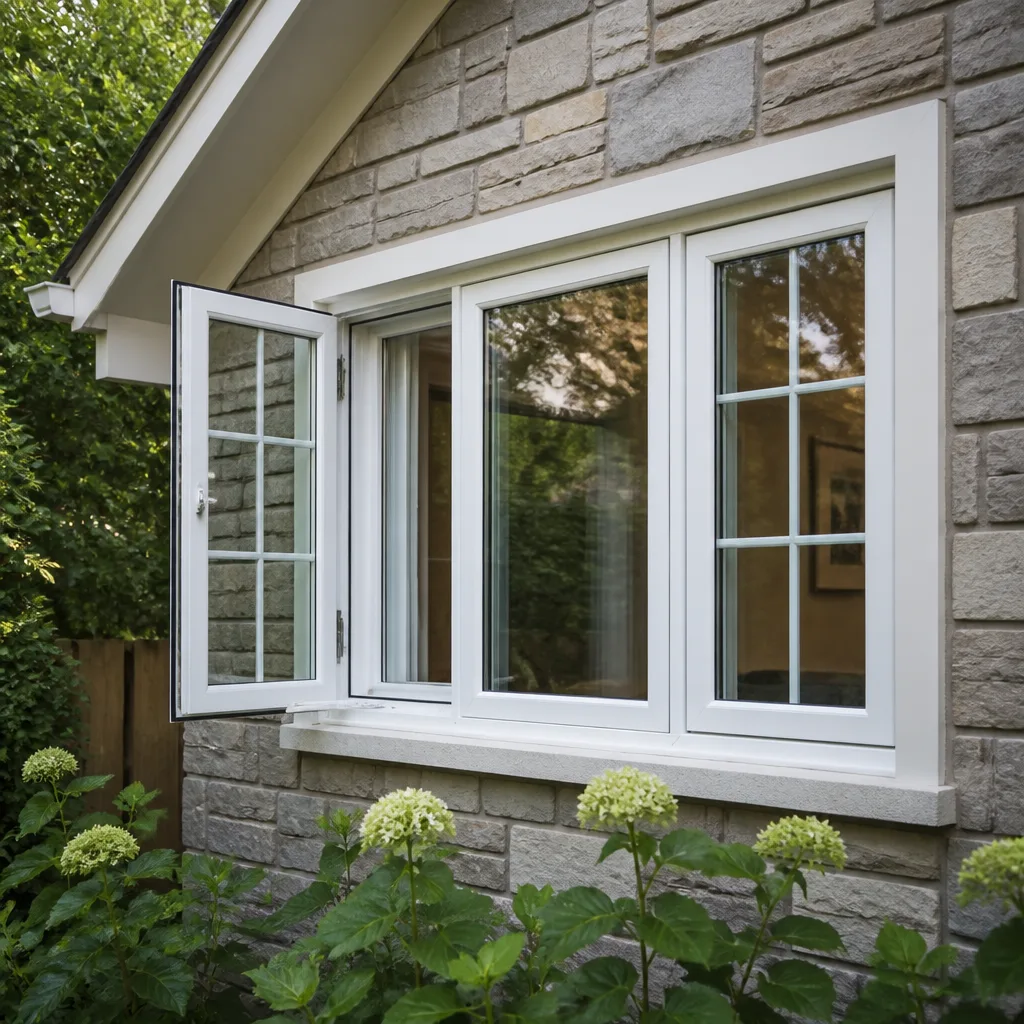
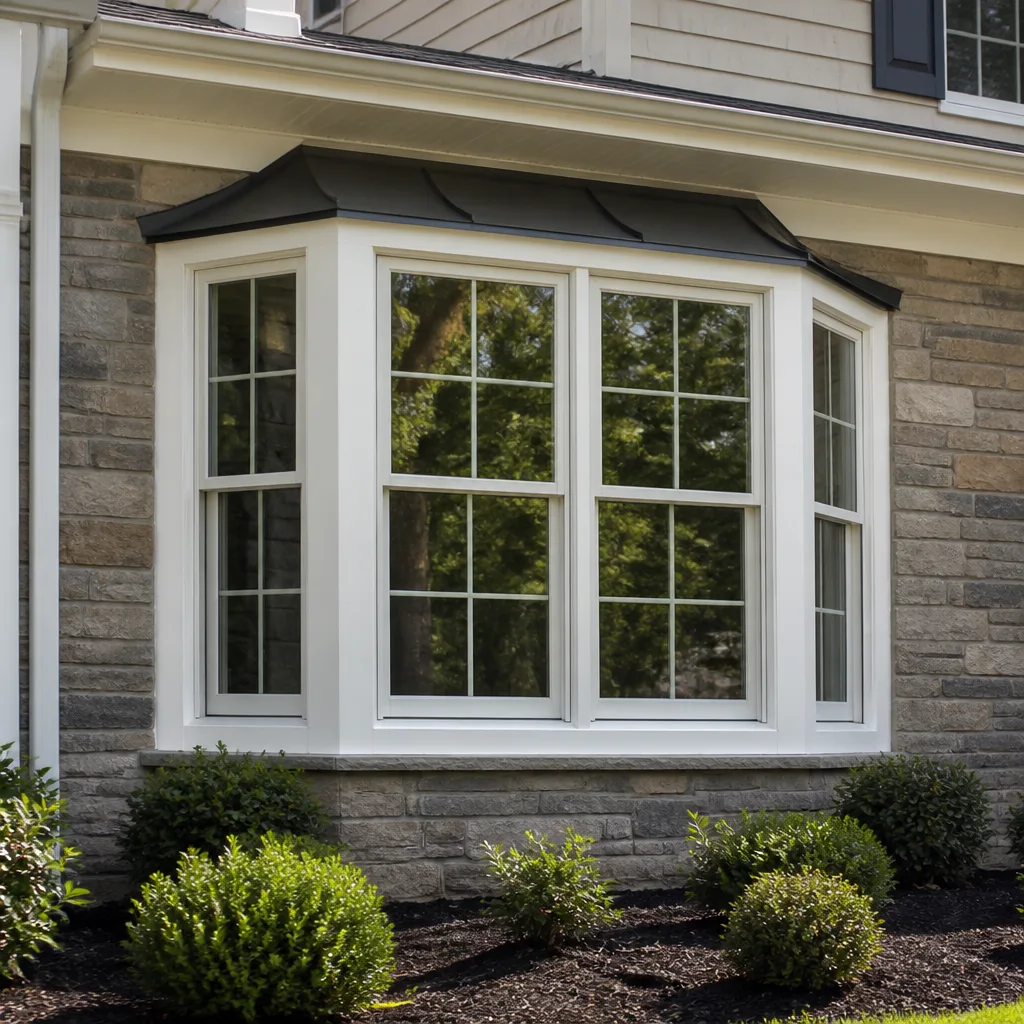
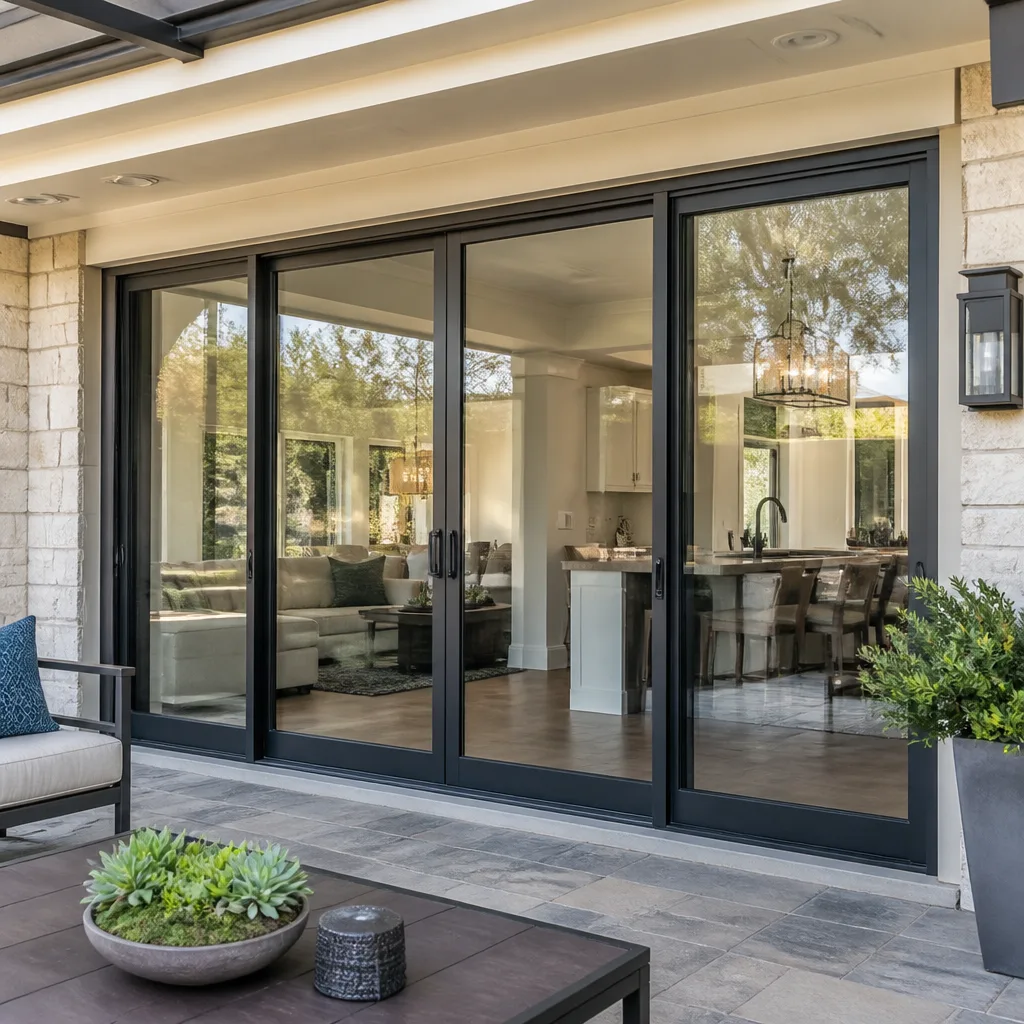
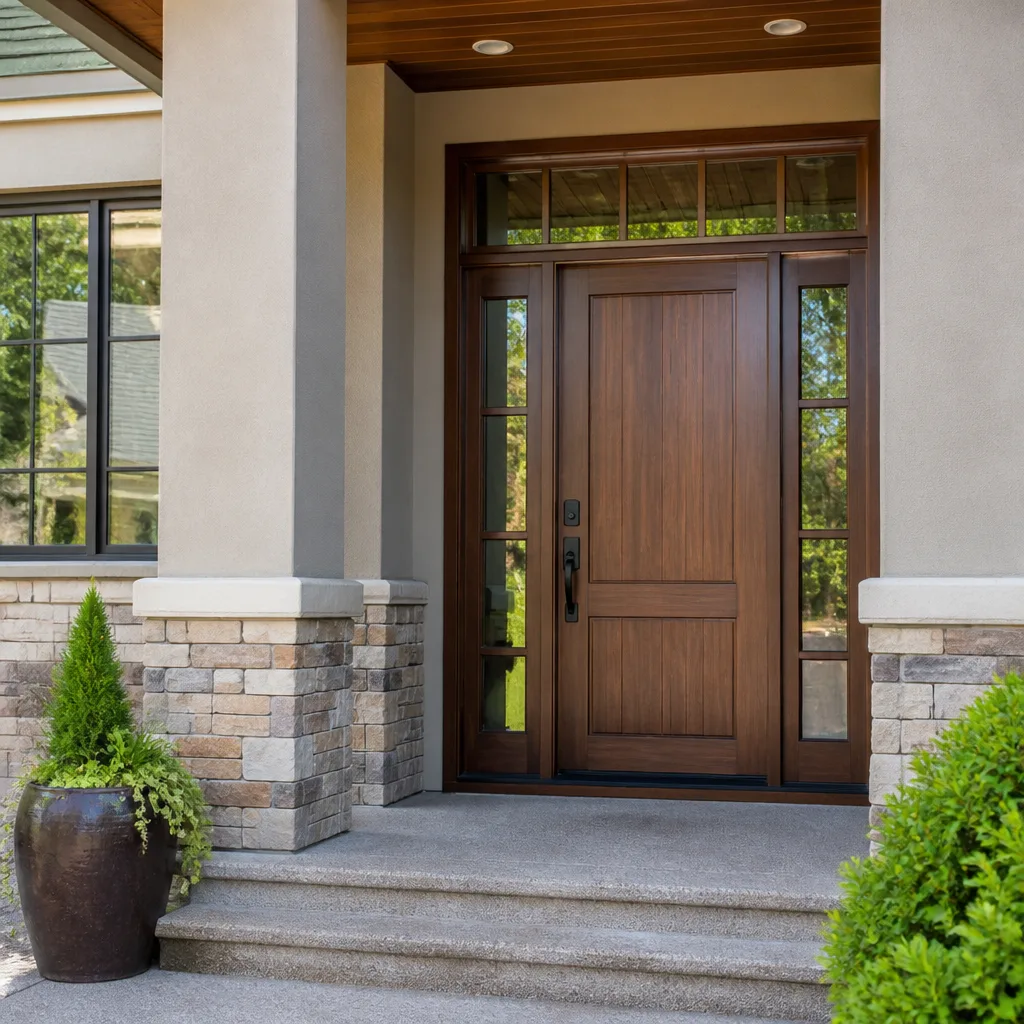
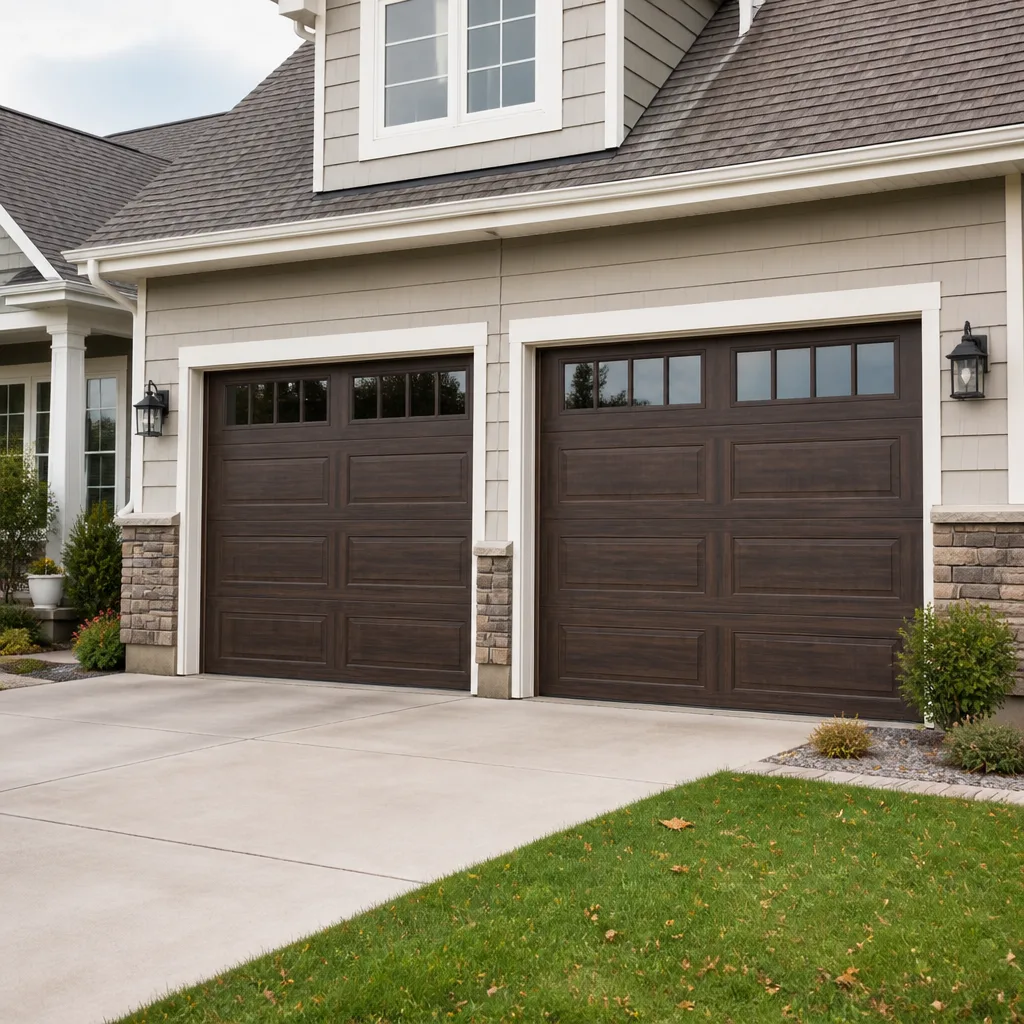
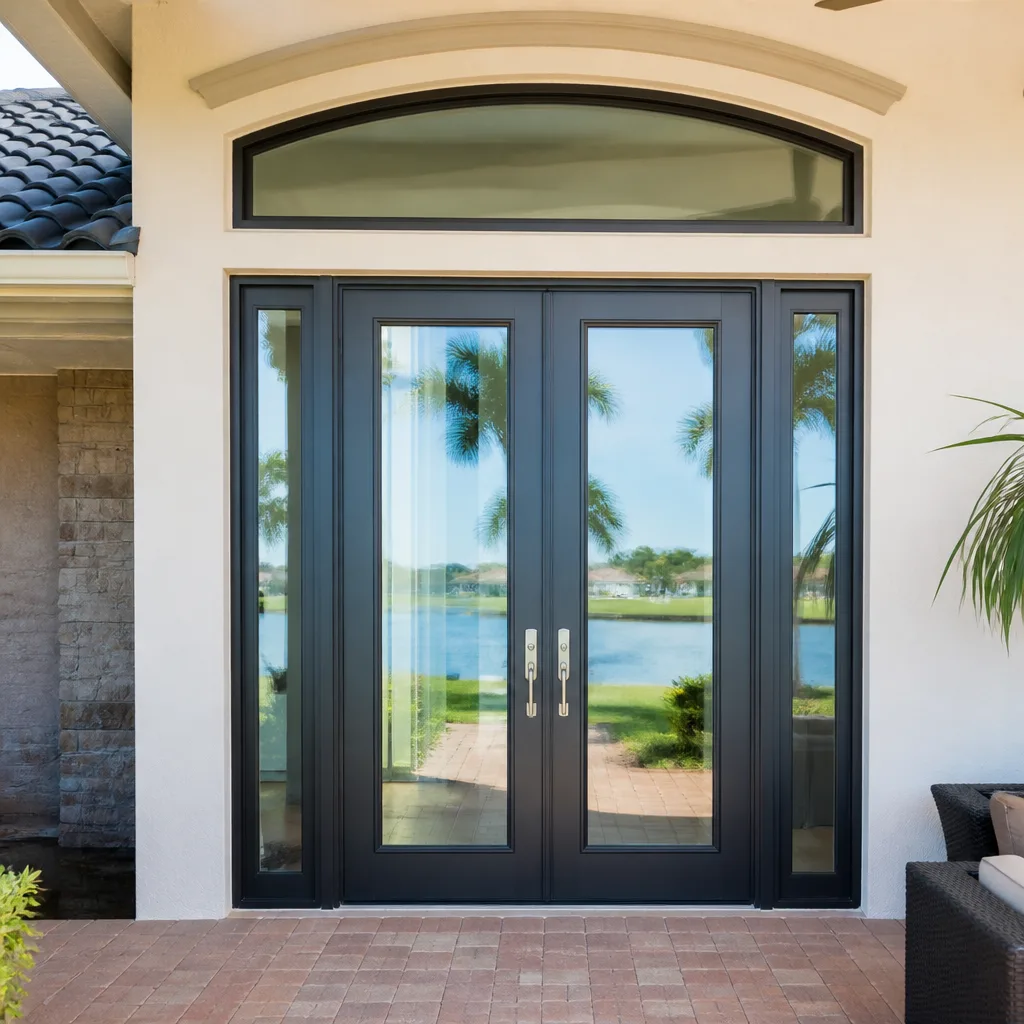
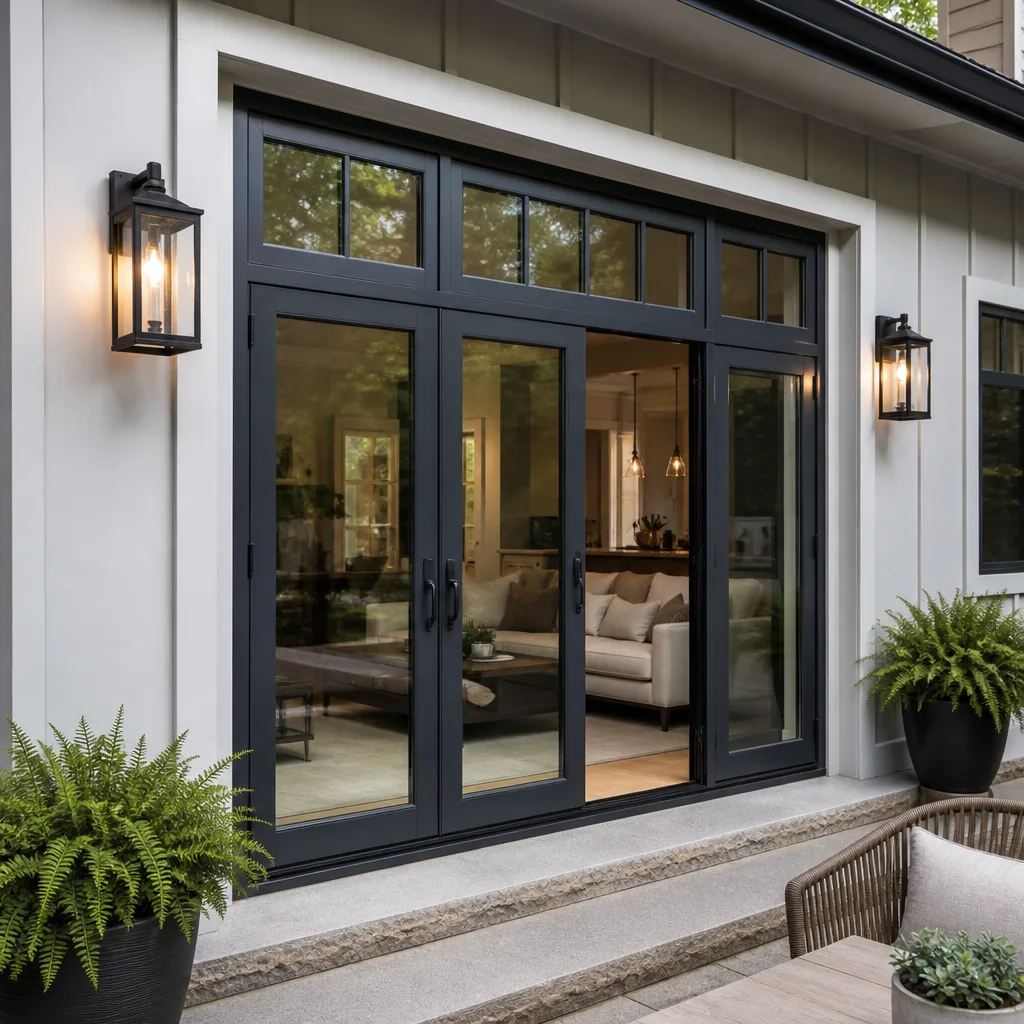
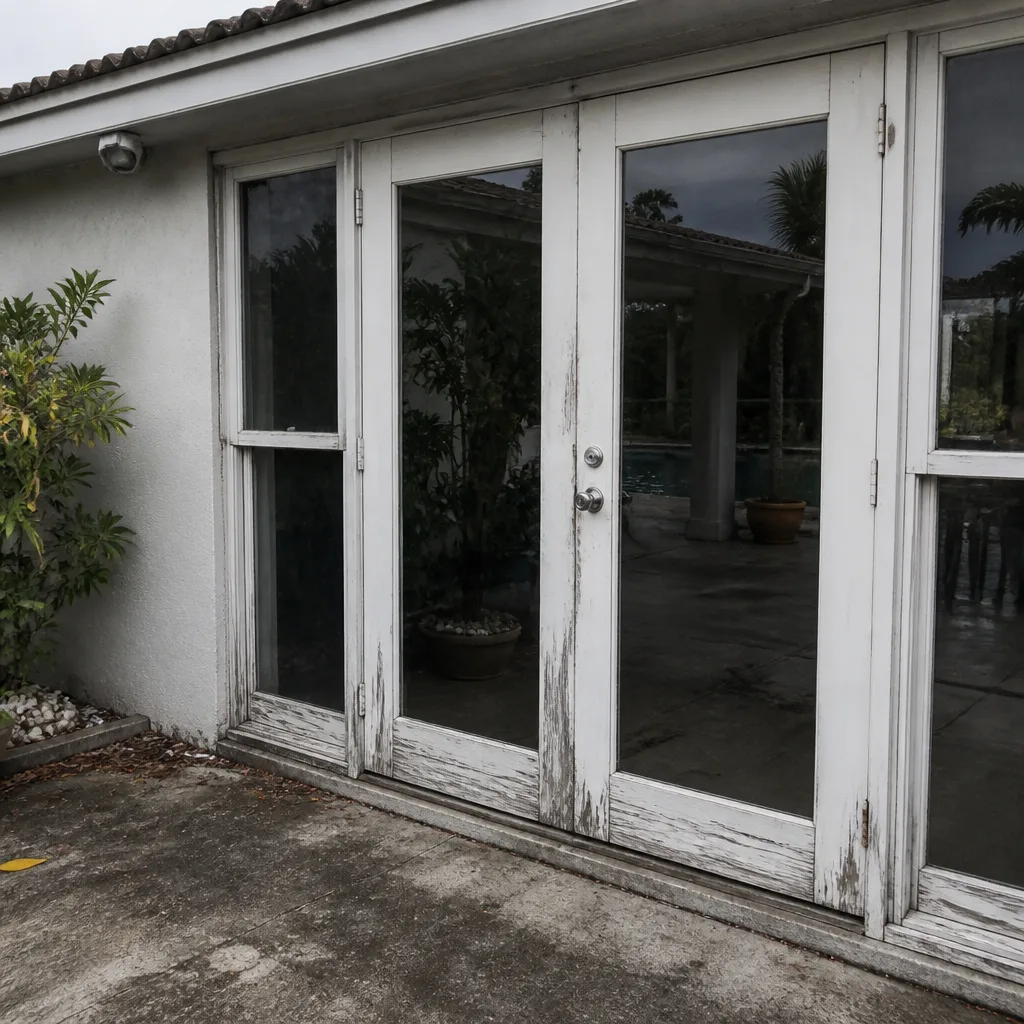 Before
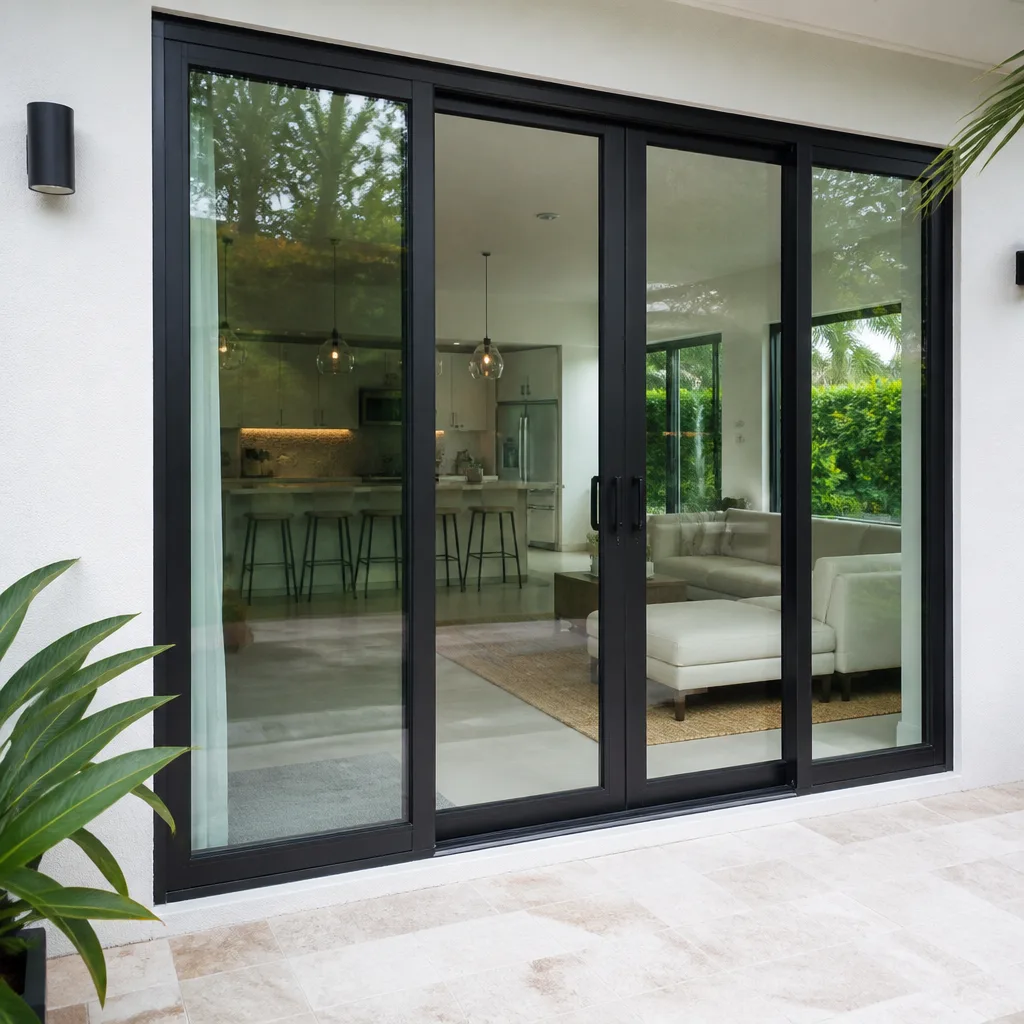 After
After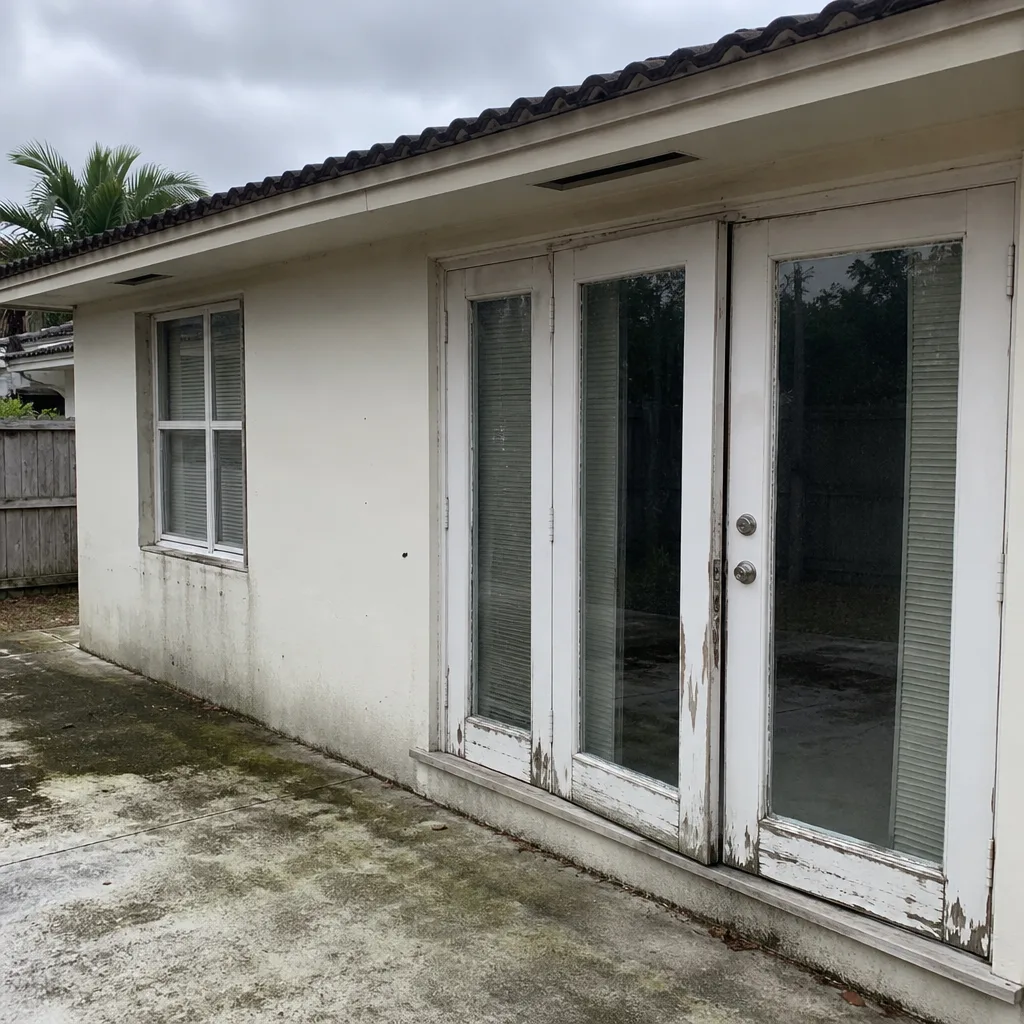 Before
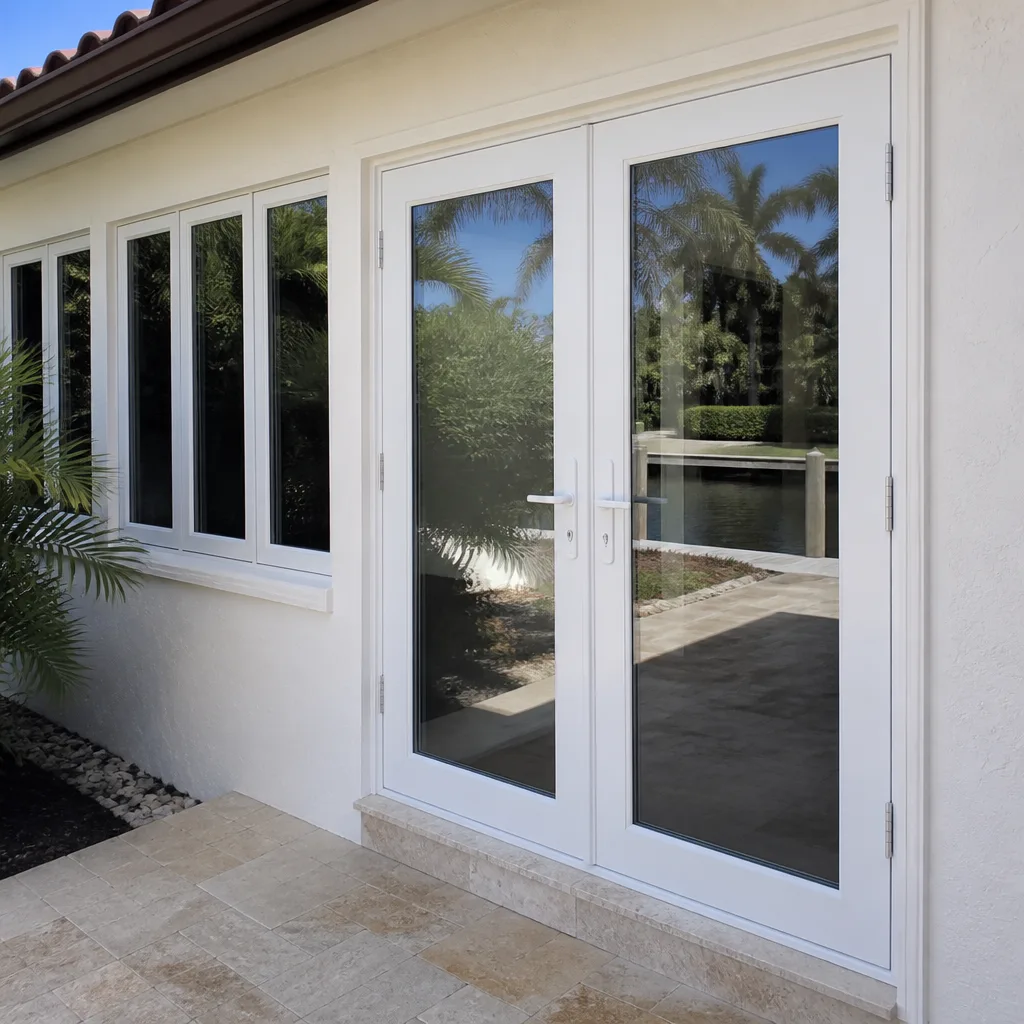 After
After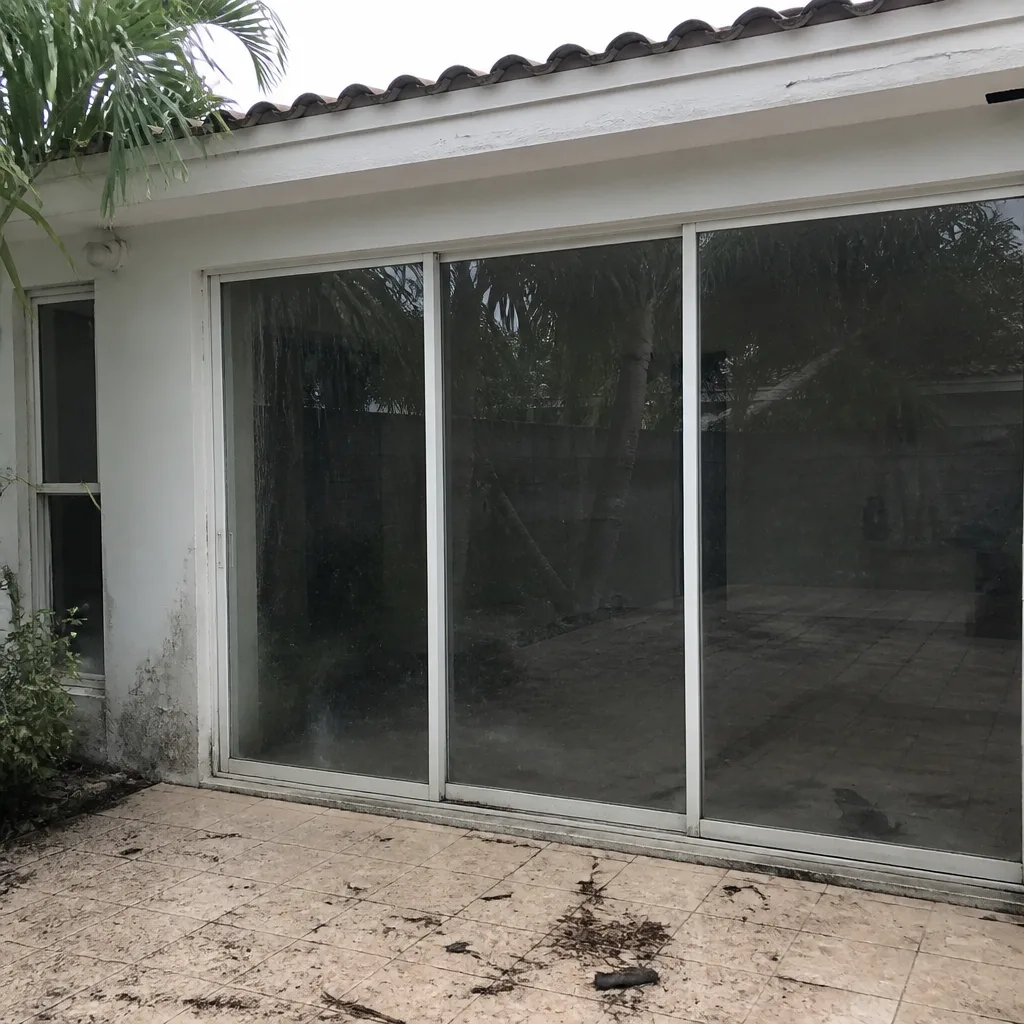 Before
 After
AfterFast, Reliable Energy-Efficient Windows Across Miami
If you’re researching energy-efficient windows in Miami, the most important thing to know is this: in Miami-Dade County, an energy-efficient window is not a simple glass upgrade. It must also be an impact-rated window carrying a Miami-Dade Notice of Acceptance, or it will not pass permitting. That single requirement shapes the material choices, the anchoring method, the frame finish, and the final price on virtually every residential job we quote from Little Havana up through Kendall and out to the bayside neighborhoods. We’re TruePane Windows & Doors, and our Miami team has been navigating this exact intersection of energy performance and hurricane code for years. Call us at (561) 489-4036 for a free in-home measure and a written quote that spells out the full spec before you sign anything.
Why TruePane Windows & Doors Handles Miami’s Energy-Efficient Window Work
Miami is a specific place to hang a window. The air coming off Biscayne Bay carries enough salt to pit a standard anodized aluminum frame inside a decade. The humidity presses on insulated glass seals year-round, and the building stock itself – 1950s to 1980s concrete block homes with frames set directly into block, no wood buck, often crumbling mortar – fights you on almost every opening if you don’t know what you’re looking at. Our crews live here and work here. We know that a 1962 CBS house in Westchester likely still has its original single-pane sliders, and that a 1930s Art Deco building in Miami Beach demands a completely different spec to satisfy the Historic Preservation Board. This local knowledge is why homeowners who intend to stay in their houses for another twenty years call us instead of a national outfit that flies a crew in. Dale Kessler, our founder, built TruePane on a simple rule he keeps on the whiteboard to this day: if the pane is not true, the job is not done.
The 90-Day Done Right Promise backs every installation we do in Miami. The Keystone Standard goes further: both layers of the manufacturer warranty get registered in writing before our truck leaves your driveway, with durations stated plainly on paper. A live person answers the phone when you call – 24 hours a day, every day of the week. Not a voicemail tree, not a call center. The person who picks up works for TruePane.
Our Energy-Efficient Windows Services in Miami
Energy efficiency in Miami is not a single product. It’s a specification assembled from the glass, the gas fill, the frame material, and the installation method. Here are the four services we most often combine for Miami homeowners.
Low-E & Argon Gas Glass
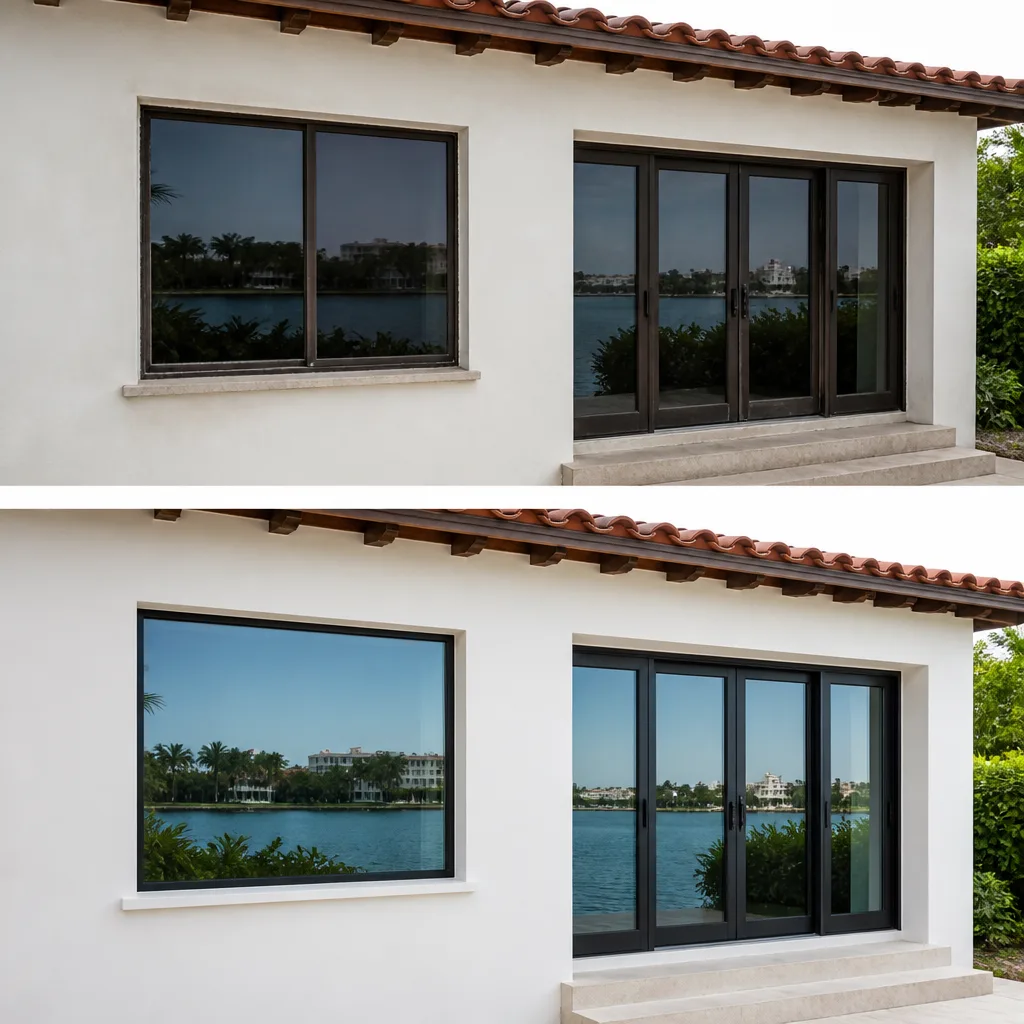
Low-E coating reflects infrared heat while letting visible light pass through, and argon gas between the panes slows thermal transfer far better than plain air. In Miami, where the sun pounds from March through November, a properly specified Low-E argon unit is the difference between an AC system that cycles reasonably and one that runs hard from noon to midnight. We quoted a low-E argon package for a homeowner near Tropical Park whose west-facing kitchen windows were turning the room into a kiln by 3:00 pm. The new PGT units cut the afternoon heat gain enough that the kitchen finally stayed within a few degrees of the rest of the house.
ENERGY STAR Replacement Windows
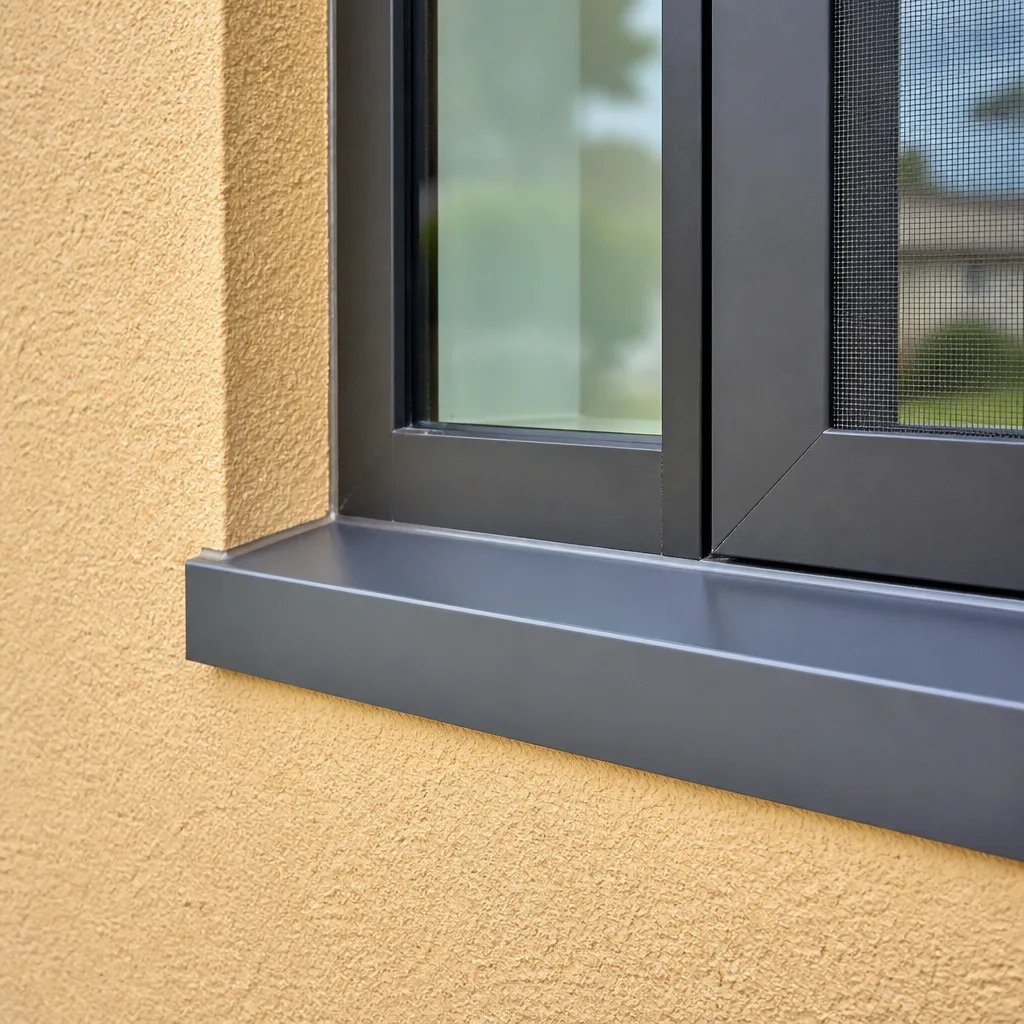
ENERGY STAR certification for the Southern zone means specific solar heat gain coefficients and U-factors tuned for cooling-dominated climates like Miami’s. We source ENERGY STAR rated impact units from manufacturers including PGT, CGI, and CWS, and we show you the numbers on paper before you commit. The label is not a marketing sticker. It’s a tested performance benchmark, and in a city where air conditioning runs most months of the year, it converts directly into lower monthly bills.
Insulated Laminated Glass
Laminated glass serves two masters in Miami: it holds the ENERGY rating with its insulating layer, and it holds the structure during a storm with its impact-resistant interlayer. That second job matters in a county where every window must pass the Large Missile Impact Test to earn its Notice of Acceptance. On older concrete-block homes in Hialeah and Kendall, we frequently replace failed single-pane sliders with insulated laminated units that solve the fogging problem and the code problem in the same opening.
UV-Blocking & Fade Protection
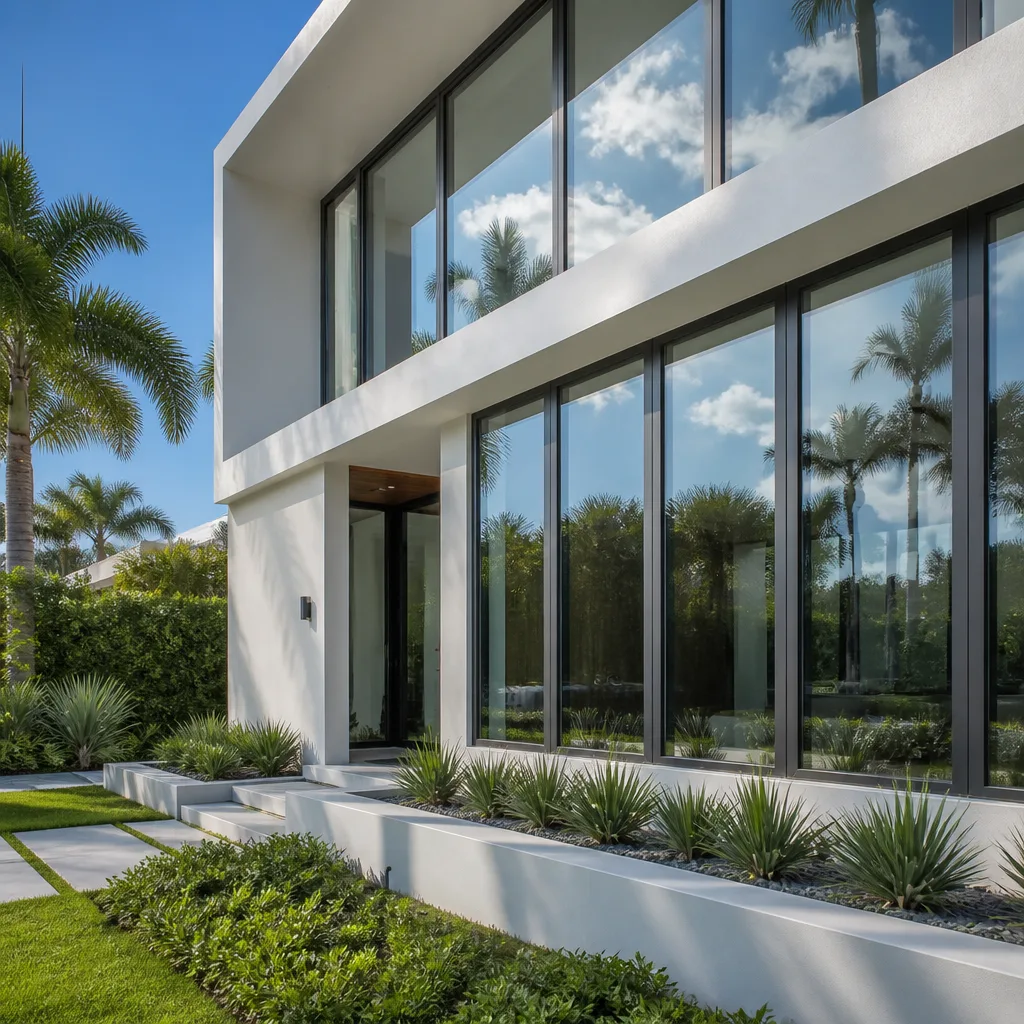
UV filtering is not an upsell in Miami. It protects hardwood floors, upholstery, artwork, and even cabinet finishes from the bleaching effect of year-round sun. Our low-E glass packages include UV-blocking properties as part of the coating, which means the same unit that drops your cooling load also slows the fading on the furniture your family has had for thirty years. For Miami Beach condos with ocean-facing glass and expensive interior finishes, UV-blocking is frequently the deciding factor more than the energy math.
What happens when you call
- 1
A real person answersNo phone trees - you reach a local pro.
- 2
You get an upfront price rangeHonest numbers before anyone is dispatched.
- 3
A background-checked tech heads outLicensed & insured, dispatched right away.
- 4
You approve before work beginsNothing starts until you say go.
What Energy-Efficient Windows Cost in Miami
You can expect an impact-rated, energy-efficient replacement window in Miami to run between $800 and $1,500 per opening installed. A single-hung impact unit typically lands between $900 and $1,800. Large or custom openings – a picture window overlooking the bay, a sliding glass wall – run $2,500 to $5,000. Whole-home packages for a standard three-bedroom Miami house generally fall between $8,000 and $25,000 or more, depending on opening count and frame choice.
What moves the price here is rarely mysterious. Opening count is the biggest driver, followed by wind zone and floor height, which determine the design pressure rating your permit requires. Frame material matters too: a thermally broken aluminum frame costs more than standard aluminum but performs better in a salt-air environment and offers slimmer sightlines for preservation review. A Florida Product Approval number and Miami-Dade NOA apply to each configuration individually, and we match the design pressure to the opening – never a rating above +/-100 PSF, because anything above that is a mislabeled wind speed, not a design pressure.
The free in-home measure and written line-item quote we give you will show the coastal-spec version of each material selection side by side with the inland-spec version. That’s the conversation that saves you money over the life of the window. Call (561) 489-4036 to schedule yours.
Coastal Spec vs. Inland Spec: The Miami Price Gap Explained
Every few weeks a Miami homeowner asks us why two quotes for the “same window” are $4,000 apart. The answer is usually salt. Standard anodized aluminum frames – the kind a national chain will quote because the price looks better – start pitting from Biscayne Bay salt air within five to ten years. The finish goes chalky, the corners corrode, and eventually the frame itself weakens. A marine-grade or thermally broken aluminum frame with a proper finish costs more up front, but it is the frame that belongs on a house within fifteen blocks of the water. The inland-spec version is the cheap spec. In Miami’s coastal air, the cheap spec costs more within a decade because you replace the whole unit instead of just the glass. Our quotes show both numbers in writing, and the coastal spec is what we recommend for any home east of I-95 or within sight of open water.
Why Salt Air Decides the Materials, Not Just the Glass
Miami-Dade County enforces the strictest hurricane-impact window standard in the United States. Every energy-efficient window job here must carry a Miami-Dade Notice of Acceptance based on the Large Missile Impact Test. That’s a higher bar than Broward or Palm Beach counties apply, and it changes what an energy-efficient window actually is in Miami. You are not choosing between an energy window and an impact window. You are choosing between an impact window that passes code with a basic glass package, and an impact window that passes code with genuine energy performance – low-E coating, argon fill, insulated laminated construction. The enormous stock of pre-Hurricane-Andrew concrete-block homes in Kendall, Hialeah, and Little Havana, still fitted with original jalousie windows, single-pane aluminum sliders, or louvered panels, makes this the standard context for nearly every residential job we quote.
In a 1960s concrete-block home in Kendall, we pulled an original single-pane aluminum slider whose anodized frame had pitted from decades of Biscayne Bay salt air. The old jamb was set directly in block with no buck, so we anchored new impact-rated PGT casements with masonry-specific fasteners before sealing the gap – a detail suburban crews routinely skip. The homeowner noticed the difference on their next cooling bill, and the new low-E insulated glass has kept the back bedroom comfortable ever since.
Trusted Brands We Service in Miami
TruePane is an authorized installer for more than a dozen manufacturer lines, and for Miami work we work most often with PGT, CGI, and CWS – three brands whose products carry deep Miami-Dade NOA and Florida Product Approval documentation across dozens of configurations. We stock common components locally, which means fewer delays when a latch fails or a screen needs replacing. We quote manufacturer lines side by side on paper so you see exactly what you are buying and what each unit’s design pressure rating is. No hidden substitutions at install.
Common Energy-Efficient Windows Problems We See in Miami Homes
- Salt-corroded frames. Standard anodized aluminum pitts and flakes within a decade near the bay or ocean. The frame loses structural integrity and the finish looks worn long before the glass fails. Marine-grade finishes and stainless hardware are the only long-term fix near the water.
- Fogged and delaminated insulated units. Miami’s year-round humidity combined with aggressive air conditioning stresses IGU seals constantly. Non-impact-rated insulated glass units fail at the seal, producing fog between the panes and destroying the energy performance of the whole assembly.
- Frames set directly in block with no buck. The 1950s through 1980s CBS construction that dominates Miami means original windows were often set straight into the concrete block opening. Retrofitting a modern unit without masonry-specific anchoring invites air and water leaks at every opening.
- Historic preservation complications on Miami Beach. The Art Deco masonry stock from the 1920s through 1940s still has original steel-frame casement windows. In the Historic Preservation overlay – roughly 5th to 23rd Streets – replacement units must replicate the slim sightlines or the board rejects the application. Specialty impact-rated steel profiles or thermally broken aluminum are often the only paths through review.
Does Miami Beach Mean a Different Conversation Entirely?
Yes. If your home sits within Miami Beach’s Historic Preservation overlay, roughly from 5th to 23rd Streets on the barrier island, every window replacement has to clear the Historic Preservation Board after it clears Miami-Dade code. Standard aluminum impact product lines are frequently rejected because their frame profiles are too thick and don’t replicate the original 1930s and 1940s steel casement sightlines. We source specialty impact-rated steel and thermally broken aluminum profiles that satisfy both the preservation reviewers and the wind code. It changes the timeline, the material list, and the price, and if your installer has never worked through a preservation review, the whole job stalls. We’ve been through the process enough times to know which profiles get approved and which ones waste your application fee.
Florida Pays You Back
The incentives for Miami homeowners are real, and they stack. The My Safe Florida Home program offers matching grants of up to $10,000 for qualifying wind-mitigation upgrades, and energy-efficient impact windows qualify in many cases. Florida also exempts impact-resistant windows and doors from sales tax, which is a meaningful line item on a $15,000 project. The federal 25C energy credit returns 30% of the product cost on qualifying units, up to $600 per year. And after a wind-mitigation inspection – typically $75 to $150 in Miami – many homeowners see their windstorm premium drop by around 25% on the wind portion of the policy. We cannot guarantee any of these numbers; your program eligibility and carrier decisions set the final figures. What we can guarantee is that both manufacturer warranty layers on your new windows get registered in writing before our truck leaves your driveway.
Energy-Efficient Windows in Miami: A Straight Comparison
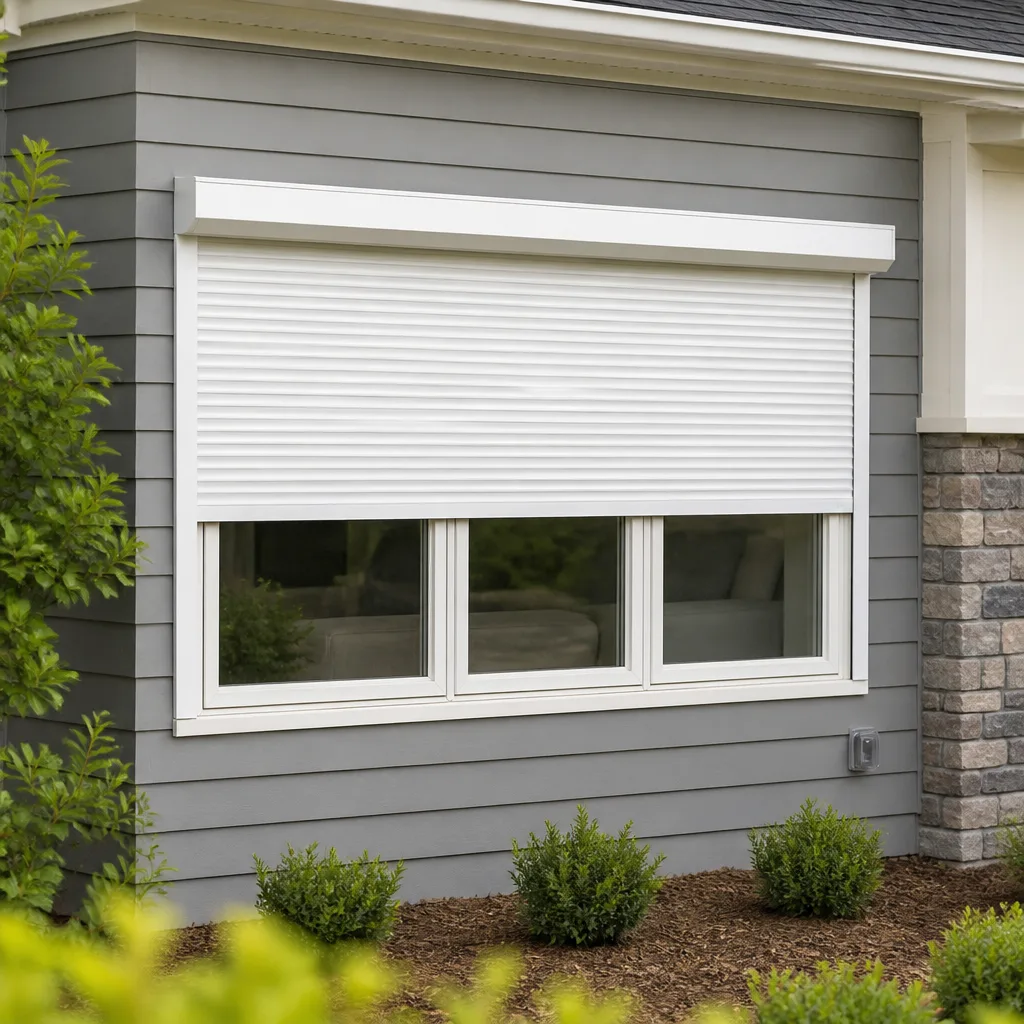
Homeowners sometimes ask whether they should spend the money on energy-efficient impact windows or keep their existing windows and add hurricane shutters instead. The comparison is fair to raise. Shutters cost less up front, but they only work when someone is home and willing to carry each panel down from the attic, and they do nothing for your cooling bill, your UV fade problem, or your fogged seals. Permanent impact-rated, energy-efficient windows protect the house every hour of the year, not just during a storm. They lower cooling costs in a climate where the AC is the single largest non-mortgage expense. One product, two jobs. The shutters only do one job, and only when someone is there to hang them.
We Also Serve Cities Near Miami
Our Miami crews work throughout the metro, including Miami Beach, Coral Gables, Hialeah, and Miami Gardens. Each has its own housing stock and its own permitting nuances – Coral Gables has strict Mediterranean-style architectural review, Hialeah has a high concentration of 1950s and 1960s CBS homes – and we treat each job according to what the house and the municipality actually require. If you’re anywhere in Miami-Dade, call (561) 489-4036 and we’ll tell you straight whether it makes sense to set up a measure.
Serving Miami, FL - Our Local Coverage Area
We’re based in the Miami area and know this community well. Use the map below to see our service coverage - if you’re nearby, we can almost certainly help.
FAQs – Energy-Efficient Windows in Miami
Yes. Miami-Dade County requires every replacement window to carry a Notice of Acceptance based on the Large Missile Impact Test, regardless of the glass package. You cannot install a non-impact energy-efficient window in Miami and pass permitting. The practical choice is which impact-rated unit you buy – basic glass, or glass with genuine low-E, argon, and insulated laminated construction. Call (561) 489-4036 and we’ll show you both options on paper, side by side.
Yes, but the path runs through the Historic Preservation Board first. Within the overlay from roughly 5th to 23rd Streets, replacement windows must replicate the slim sightlines of the original steel casements, which rules out many standard aluminum impact products. Specialty impact-rated steel and thermally broken aluminum profiles comply with both items. Expect a longer review timeline and a higher material cost than a comparable job on the mainland. We have worked through these reviews before and can tell you which profiles have a record of approval.
A properly specified low-E insulated package typically cuts solar heat gain through the glazing by 30% to 50% compared to the original single-pane or basic double-pane glass in most Miami homes. That reduction shows up as shorter AC run times, more stable room temperatures, and a cooler house during the 3:00 pm to 6:00 pm peak. The exact dollar amount depends on your home’s orientation, insulation, and AC efficiency, and we don’t invent savings figures. What we do is give you a written quote for the glass package and a straight answer about whether it is a sound investment for your specific house.
The gap is mostly the frame. Standard anodized aluminum costs less up front but pits and corrodes badly in the salt air coming off Biscayne Bay and the Atlantic, and a lot of Miami sits close enough to the water for that to be a real problem. Marine-grade finishes, stainless hardware, thermally broken aluminum, and specialty steel profiles all cost more to buy and to source. A quote that looks cheaper is usually specifying the inland-spec frame. We show both numbers because the coastal spec is what a house near the water actually needs, and the cheap spec is the one you end up replacing twice.
Often yes, but the reduction comes from the impact rating, not the glass coating. After a wind-mitigation inspection – typically $75 to $150 – most Miami homeowners see their windstorm premium drop roughly 25% on the wind portion of the policy. The energy performance improves the house every day; the impact rating is what changes the insurance math. We can’t promise a specific carrier result, but we can hand you the documentation your inspector needs, including the Miami-Dade NOA and Florida Product Approval numbers for every unit on your job.
Climate, Code, and Craft: What Miami Demands
An energy-efficient window in Miami is never just an energy-efficient window. It’s a window that must survive the Large Missile Impact Test, resist a salt-air environment that eats cheap finishes alive, seal against constant humidity, and – if it’s a house in Coral Gables or a museum-worthy building on the beach – satisfy a preservation board that has seen too many bad replacements. We spec the frame alloy, the finish, the anchoring method, and the glass package together because in this city they fail together when any one of them is wrong. That’s the information gain this page exists to give you, and it’s the conversation we have in person at your kitchen table with a written quote in hand.
Get Your Written Miami Quote
We measure every opening twice. We quote manufacturer lines side by side on paper with design pressures and NOA numbers stated. We register both warranty layers before the truck leaves your driveway. And we stand behind the work for 90 days with the Done Right Promise – no paperwork fights, no arguing. If you’re in Miami and you’re serious about replacing your windows the right way, call (561) 489-4036 to schedule your free in-home estimate. A person will answer.
Written by Dale Kessler, Owner at TruePane Windows & Doors, serving Miami with energy-efficient and impact-rated window installations built for salt air, hurricane code, and the long run.
Six Reasons Homeowners Choose TruePane Windows & Doors
Impact systems engineered to design pressures up to +/-100, matched to your wind zone - your openings hold when the storm arrives.
Low-E insulated impact glass from our manufacturer lines commonly cuts monthly cooling bills 20-30%.
Laminated impact glass shuts out up to 40% of outside noise - traffic, neighbors, weather.
Monitoring services run $30-90 a month. Laminated impact glass resists forced entry around the clock, with no subscription.
Florida homeowners average around 25% savings on the windstorm portion of their policy after protecting every opening - some homes qualify for more.
A full impact package upgrades curb appeal, buyer confidence and appraised value in one project.